




Lawyers for former President Rodrigo Duterte have asked judges at the International Criminal Court to treat recent medical assessments with caution, arguing that the conclusions offered by court-appointed specialists fall short of establishing his ability to stand trial.

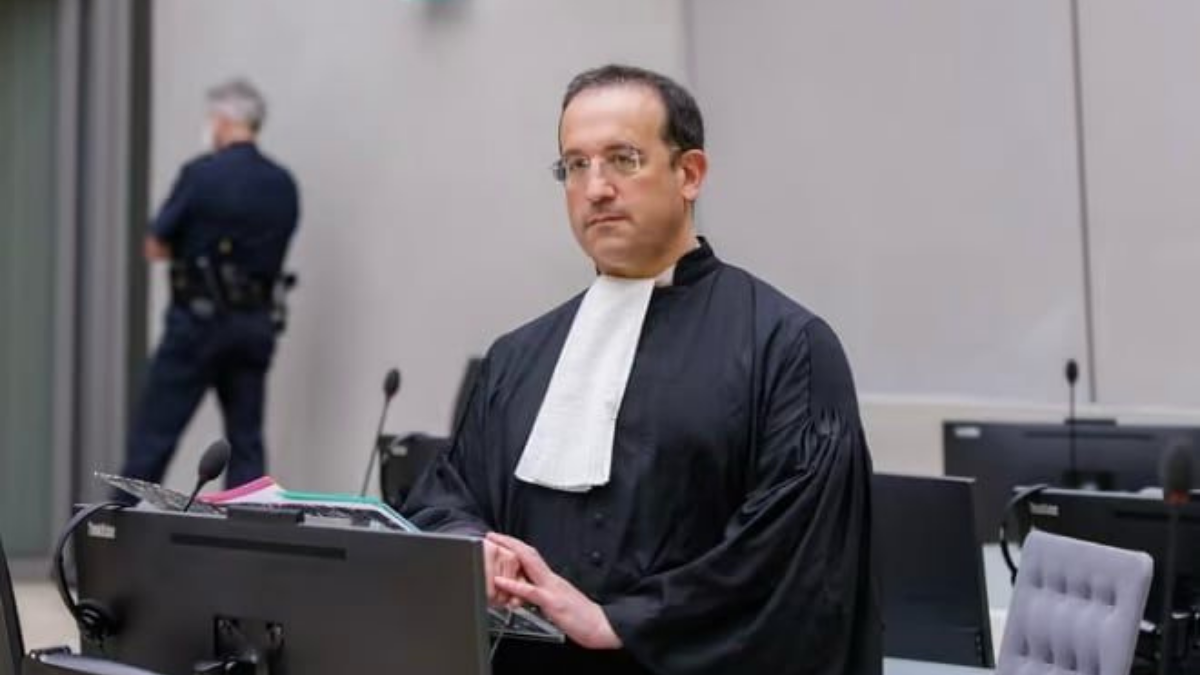
In a filing submitted to Pre-Trial Chamber I, defense counsel Nicholas Kaufman questioned the weight given to the doctors’ opinions, saying the findings were “not dispositive” and that they “contradict each other… on crucial matters forming the basis of their unified conclusions.” The observations span 12 pages and were released publicly on Friday.
According to the defense, the chamber’s decision to commission additional medical evaluations earlier in the proceedings was never framed as a step toward a final and binding determination. “The (PTC) declined to accept the Defense’s expert opinions and decided that it was necessary to seek further medical examination, without articulating why such additional information was necessary,” the filing stated. It added, “Nowhere, however, did the (PTC) indicate that the Panel was meant to be decisive and the final word on Mr. Duterte’s competency.”
The Duterte camp also raised concerns about what it described as his limited short-term memory, asserting that this condition prevents him from properly participating in court proceedings. “To take a basic example, he may hear evidence in court, but he will have forgotten it by the time he needs to compare it against other evidence. He is thus incapable of following a trial, of exercising appropriate discretion, and of making informed decisions or instructing counsel effectively,” the lawyers said.
Prosecutors, however, have taken the opposite view. In their own submission, they urged the chamber to affirm that Duterte remains able to engage meaningfully in the case. Citing the same medical assessments, the prosecution argued that he is “capable of meaningfully exercising his procedural and fair trial rights,” and that he is “fit to participate” in pre-trial proceedings, including the hearing on the confirmation of charges.
Deputy Prosecutor Mame Niang, who signed the nine-page prosecution response, said the experts’ conclusions should lead the court to restart proceedings that had been put on hold. “Upon completion of their assessments, panel members individually reached the same overall conclusion that, while frail and elderly, Mr. Duterte nevertheless possesses the necessary capacities to meaningfully exercise his procedural and fair trial rights,” the prosecution stated.
The prosecution further noted that the panel unanimously described Duterte as “an unreliable historian concerning his health and mental functions,” emphasizing that the experts nonetheless found their overall conclusions sound and dependable.
The exchanges followed the submission of the panel’s most recent report on December 5. The three-member team—composed of a forensic psychiatrist, a neuropsychologist, and a geriatric and behavioral neurologist—was appointed by the chamber on September 24 based on recommendations from the ICC Registry to assess whether procedural accommodations would be required if the case moved forward.
Comments from other parties to the case have also been filed, although substantial portions of those documents remain redacted, and the full medical reports are not expected to be released publicly because they contain sensitive information.
