



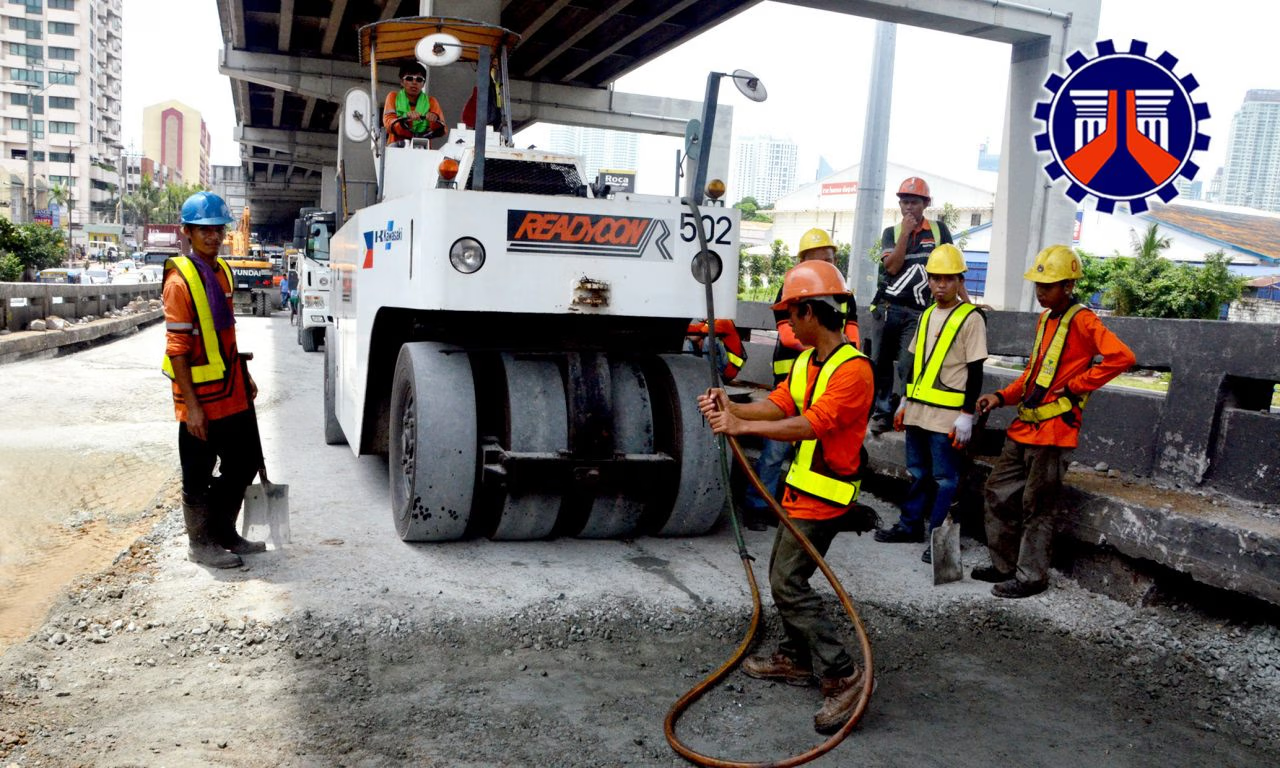

The Department of Public Works and Highways is taking aggressive steps to cut construction supply costs and pursue officials linked to overpriced government projects, with projected savings reaching ₱60 billion by 2026.

The move comes after President Ferdinand Marcos Jr. instructed the agency to reduce material expenses by as much as 50 percent. DPWH Secretary Vince Dizon said the department will enforce tighter pricing rules and overhaul purchasing processes to end long-running issues of inflated costs.
“This is one of the single biggest reforms in DPWH,” Dizon said, emphasizing that corruption has allowed procurement abuses to persist. “Ayusin na natin ang presyuhan sa DPWH, ang daming mga scandal sa korapsyon ang daming nasisiwalat pero nauulit naman ulit.”
Under the initiative, cement, asphalt, steel sheet piles, gravel, and rebars will be monitored and standardized nationwide after authorities found what Dizon described as a “massive discrepancy” between market prices and amounts charged in government projects.

In one instance, asphalt in Region IV-B was reportedly priced at more than ₱23,000 per metric ton, a figure Dizon said can be reduced to below ₱6,000. “If the private sector can build a road at those prices, why cannot government do the same?” he noted. “No other reason except for corruption.”
DPWH Undersecretary Rico Bernabe is currently evaluating legal responsibilities tied to alleged overpricing. Some complaints have already been filed at the Office of the Ombudsman, including the case of former Ako Bicol Rep. Zaldy Co. Dizon said he is “very confident” that around 60 individuals linked to questionable flood control projects will face charges, adding, “Marami ang magpapasko sa kulungan.”
The department also plans to go after illegally acquired assets while realigning prices for unawarded 2025 projects to prevent further losses.
Officials estimate that savings from the reforms could fund 1,600 kilometers of concrete roads and 1,000 kilometers of asphalt overlay, with additional resources potentially benefiting sectors such as healthcare and education.
