



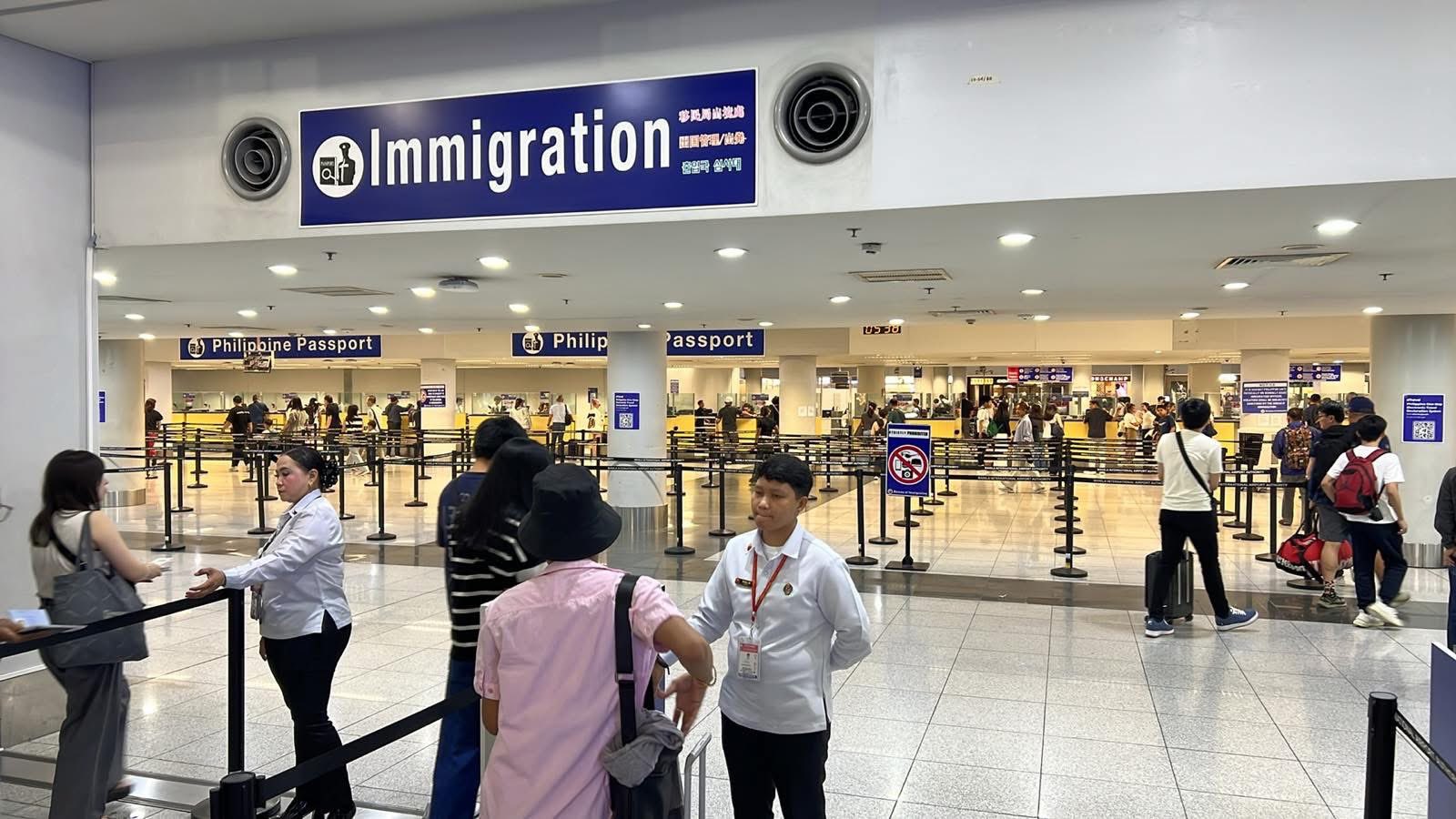

Health screening at Philippine airports continues as part of routine border controls, the Department of Health said Saturday, citing existing systems designed to identify passengers who may require further medical assessment.

At the frontline of these measures is the Bureau of Quarantine, which operates substations at air and sea entry points nationwide. These posts are staffed by trained medical personnel and equipped with infrared thermal scanners used to detect travelers with elevated body temperatures.
“Border surveillance is a regular task of the BOQ, whether there is an outbreak or not. Every airport and seaport in the country has substations equipped with infrared thermal scanners, which are monitored by our trained nurses,” said Dr. Roberto Salvador Jr., OIC director IV of the BOQ.
According to the bureau, scanners flag passengers registering temperatures above 37.5 degrees Celsius, after which health officers observe travelers for visible symptoms such as skin rashes or open wounds. Individuals identified through this process are subjected to interviews and physical examinations, and those showing signs consistent with Nipah virus infection are directed to hospitals designated by the DOH for further medical evaluation.

Salvador clarified that no additional entry restrictions have been imposed on passengers arriving from India, despite recent reports of a Nipah outbreak there. He instead emphasized the importance of health declarations submitted prior to arrival.
“The eTravel app is a powerful tool in our efforts. It allows us to screen passengers and apply additional safety protocols when necessary,” he said.
He added that round-the-clock surveillance remains in effect and that ongoing monitoring has not detected any suspected Nipah cases, including among travelers arriving on direct flights from India.
