



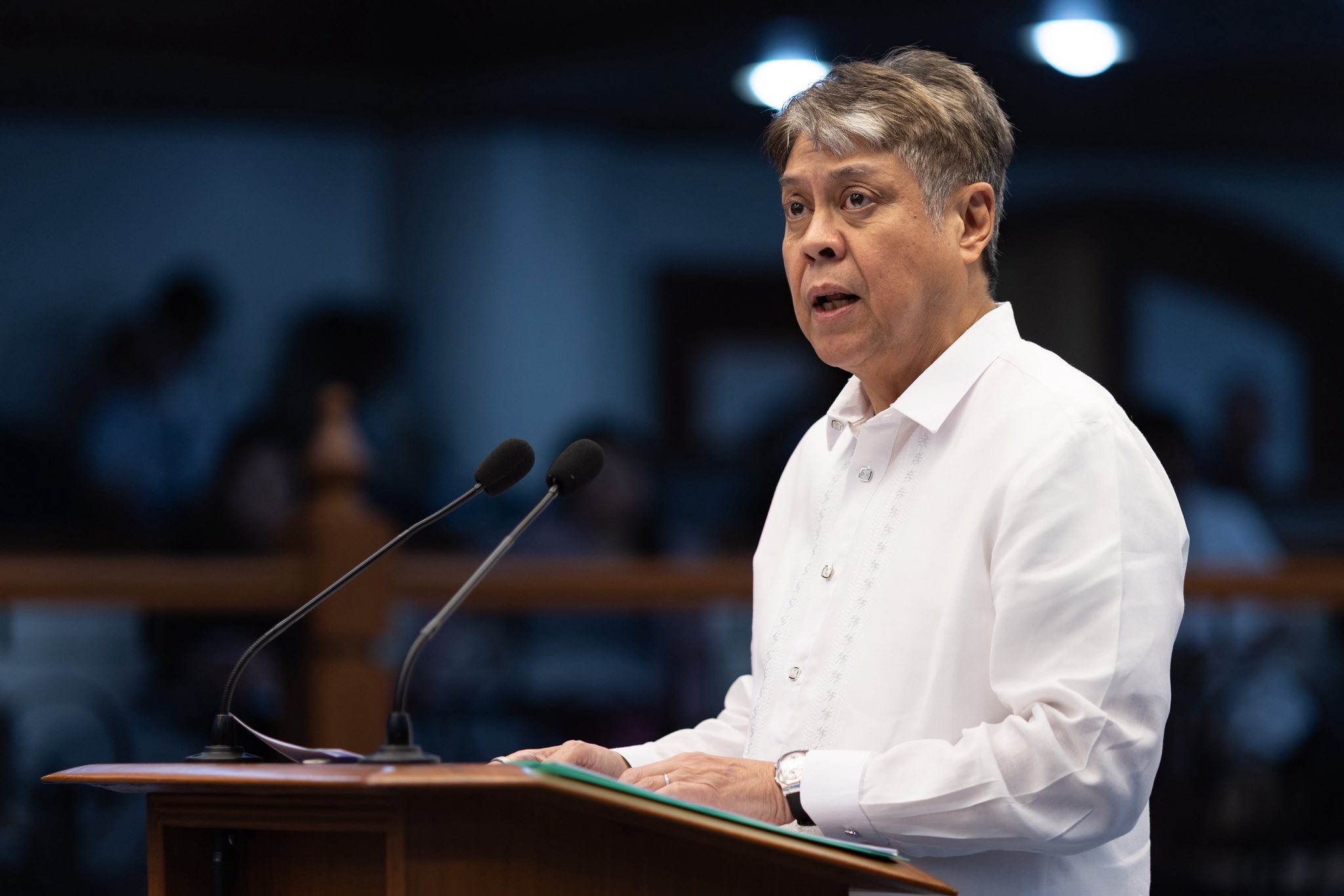

Sen. Francis Pangilinan has pointed to transparency tools embedded in the Department of Agriculture’s (DA) proposed 2026 budget as a way to reduce the risk of misuse of public money, drawing lessons from recent controversies involving government infrastructure projects.

He argued that expanding digital systems in agriculture limits opportunities for irregularities by making transactions and outcomes visible to the public. “No stealing happens when the public is watching. Digital makes it difficult to hide the truth, effectively protecting all of us who pay taxes,” Pangilinan said.
Lawmakers increased the allocation for digital agriculture during bicameral deliberations, raising it from P500 million to P600 million. The additional funding is intended to strengthen data-based approaches across farming and food value chains, supporting more accurate targeting and monitoring of government programs.
Pangilinan said the DA’s digital agriculture initiative is designed to rely on data, online platforms, and smart technologies to manage farmer and fisher registries, track production and distribution, and guide planning decisions. He added that the system is expected to include dashboards that allow the agency to see, in real time, information on output levels, inputs, infrastructure status, and potential risks.

According to Pangilinan, embedding these tools into procurement, extension services, market access, and enforcement mechanisms helps ensure that larger budgets translate into tangible outcomes. “This technology can ensure that subsidies, insurance, and other support go to real farmers and fisherfolk, not ghost beneficiaries,” he said.
At the operational level, the digital shift includes platforms such as e-Kadiwa or Kadiwa Online, which connect producers directly with consumers, as well as the use of drones, satellite imagery, and remote sensing to monitor crops, estimate yields, and assess damage from disasters.
He cited research indicating that digital agriculture can improve productivity, strengthen resilience, and raise farmer incomes, while cautioning that uneven access to connectivity, devices, and digital skills could exclude small-scale producers. “However, gaps in connectivity, devices, and digital skills could leave smallholders behind, thus underscoring the need for inclusive extension services, infrastructure investments, and strong public-private partnerships,” he said.
Pangilinan stressed that transparency should remain central to public spending, warning against repeating past failures in other agencies. “The strongest defense against corruption is open data and processes, and people who care. The mistakes in DPWH must never be repeated,” he said.
