



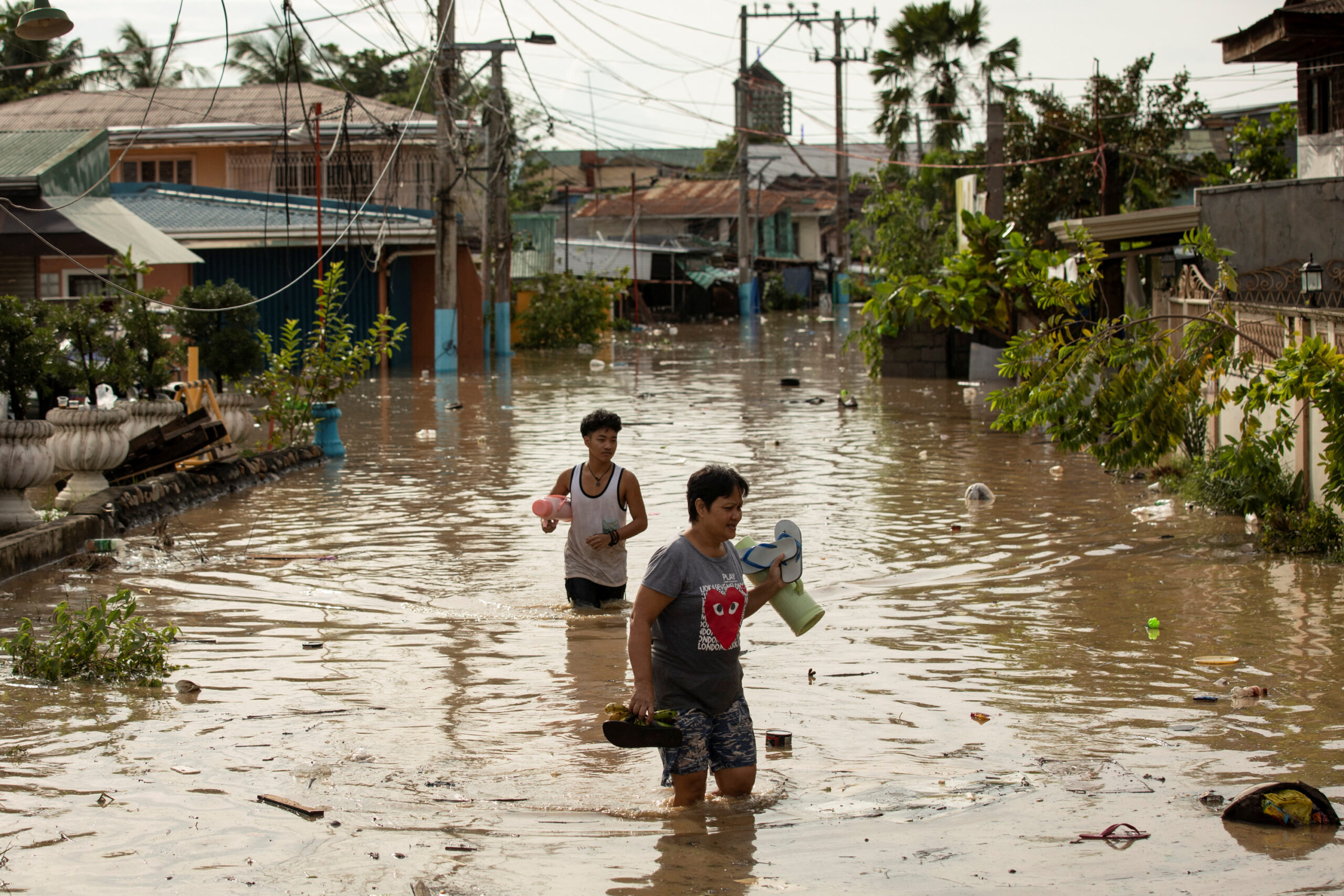

Filipinos can expect less intense cyclones this year compared to the series of powerful storms that hit the country in 2023, government officials said during a news forum held in Quezon City on Saturday.

Department of Science and Technology (DOST) Secretary Renato Solidum explained that last year’s cyclones were more severe due to the influence of La Niña, which contributed to stronger storms.
“The cyclones this year are not more severe than last year, because it was La Niña last year,” Solidum said in an Inquirer.net report. He clarified, however, that this does not rule out the possibility of strong typhoons forming or entering the Philippine area of responsibility (PAR), but on average, the intensity is expected to be lower.
Supporting this, Pagasa Deputy Administrator Mar Villafuerte explained that during La Niña, sea surface temperatures around the Philippines tend to be warmer, increasing the likelihood of intense tropical cyclones.

Still, Villafuerte emphasized the need for vigilance despite the forecast. “As compared to last year, it’s not as bad. Last year, from October to November, it was just a month, there were six consecutive typhoons,” he said. “But we’re not worrying about it, because maybe our countrymen will become complacent later… So, they’ll become complacent.”
Pagasa forecasts that 10 to 18 cyclones may still enter or form within PAR this year, including Tropical Cyclone Bising, which the agency is currently monitoring. For the month of July alone, one to two more tropical cyclones are expected to develop or make their way into Philippine territory.
Authorities urged the public to stay alert and prepared, reminding everyone that even moderate storms can bring heavy rainfall and strong winds that may cause damage and disrupt daily life.
