



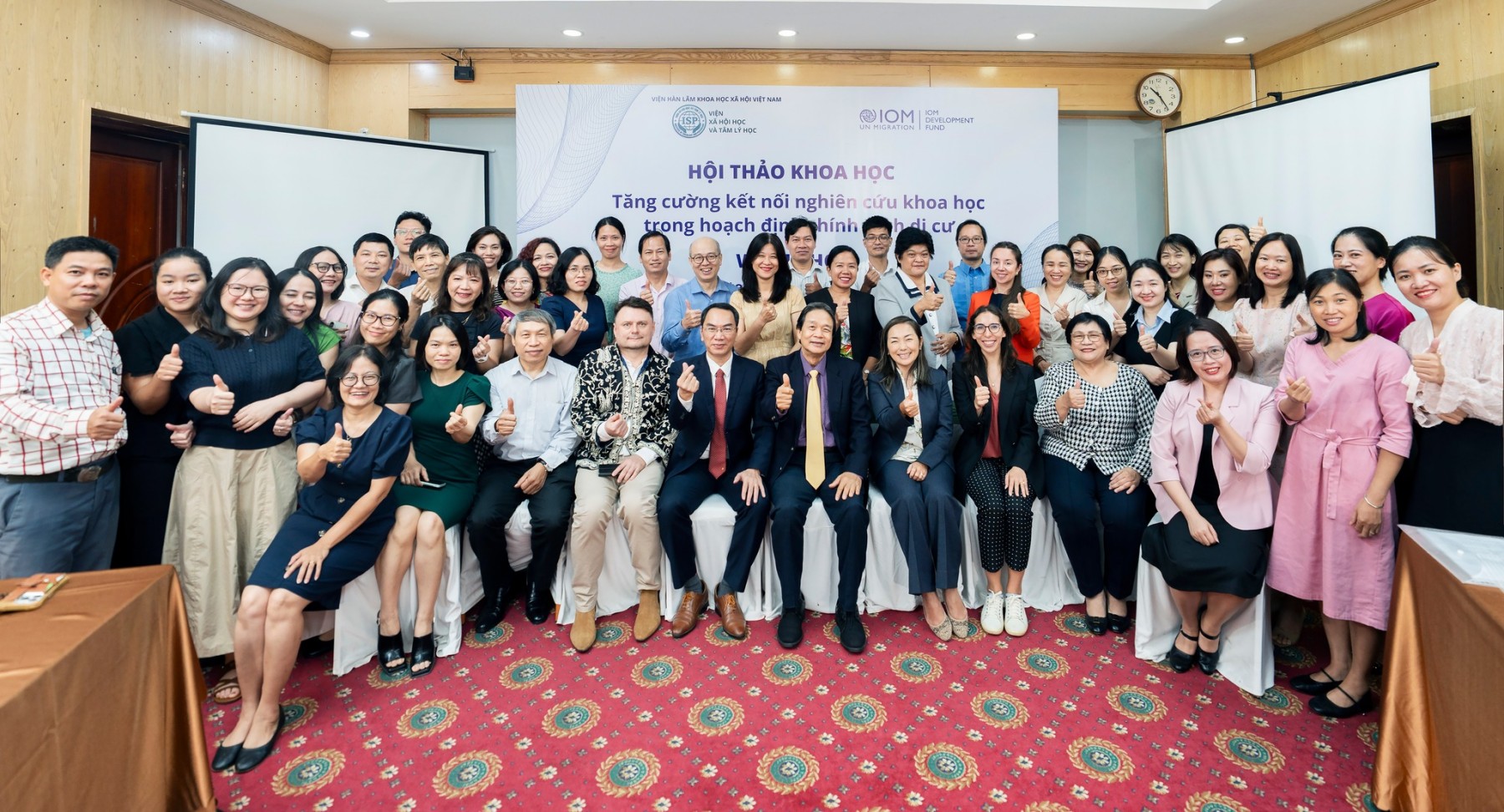

The Commission on Filipinos Overseas (CFO) underscored the Philippines’ long-running leadership in diaspora engagement during a three-day knowledge exchange hosted by the International Organization for Migration (IOM) Viet Nam from Sept. 10–12, 2025. The event brought together government officials, academics, development partners, and diaspora leaders to discuss how nations can more effectively engage their overseas communities.

Representing the CFO, Rodrigo Garcia Jr. delivered a focused presentation detailing the Philippine government’s institutional mechanisms, flagship programs, and enabling laws that keep millions of Filipinos abroad connected to the homeland. His presentation was part of the workshop’s “Why diaspora engagement matters” session, which explicitly featured lessons from the Philippines.
He highlighted flagship CFO initiatives such as the Lingkod sa Kapwa Pilipino (Linkapil) Program, which mobilizes diaspora philanthropy for health, education and livelihood projects; BaLinkBayan, a one-stop online portal that connects overseas Filipinos with their local governments; and the Presidential Awards for Filipino Individuals and Organizations Overseas (PAFIOO), a prestigious recognition program that honors outstanding members and organizations in the diaspora. He also pointed to enabling laws, the Dual Citizenship Law and the Overseas Voting Law as critical legal frameworks that institutionalize political and civic ties between the state and its citizens abroad.
“We’ve moved beyond viewing migration as a challenge. For the Philippines in general and the CFO in particular, it has become a bridge—linking our diaspora to development, our people to policy, and our shared future towards a Bagong Pilipinas,” Garcia said, highlighting the government’s recognition of its diaspora’s continuing contributions to the homeland.
Throughout his presentation, he framed the Philippines’ approach as deliberately institutional, combining political will, inter-agency coordination, digital platforms, and formal recognition schemes to engage diaspora communities from passive remittance sources into active partners in development, cultural diplomacy, and knowledge transfer.

“Diaspora engagement must go beyond remittances. It must give every Filipino overseas a voice, a platform, and a purpose in shaping the nation they still call home,” he further emphasized, in a nod to CFO’s pivot towards greater diaspora engagement as its main anchor for its programs and services.
Participants from the IOM and regional embassies noted that the Philippine model provided concrete lessons for Vietnam, where diaspora engagement remains more informal and fragmented.
The knowledge exchange also included roundtables on research collaboration and personal testimonies from returnee leaders, which illustrate the multidimensional value of diaspora engagement, encompassing entrepreneurship and innovation, as well as philanthropy and local community development.
Organizers said the event will feed into Viet Nam’s next steps in formalizing its diaspora outreach, building on the desk review and comparative examples presented at the workshops.
