



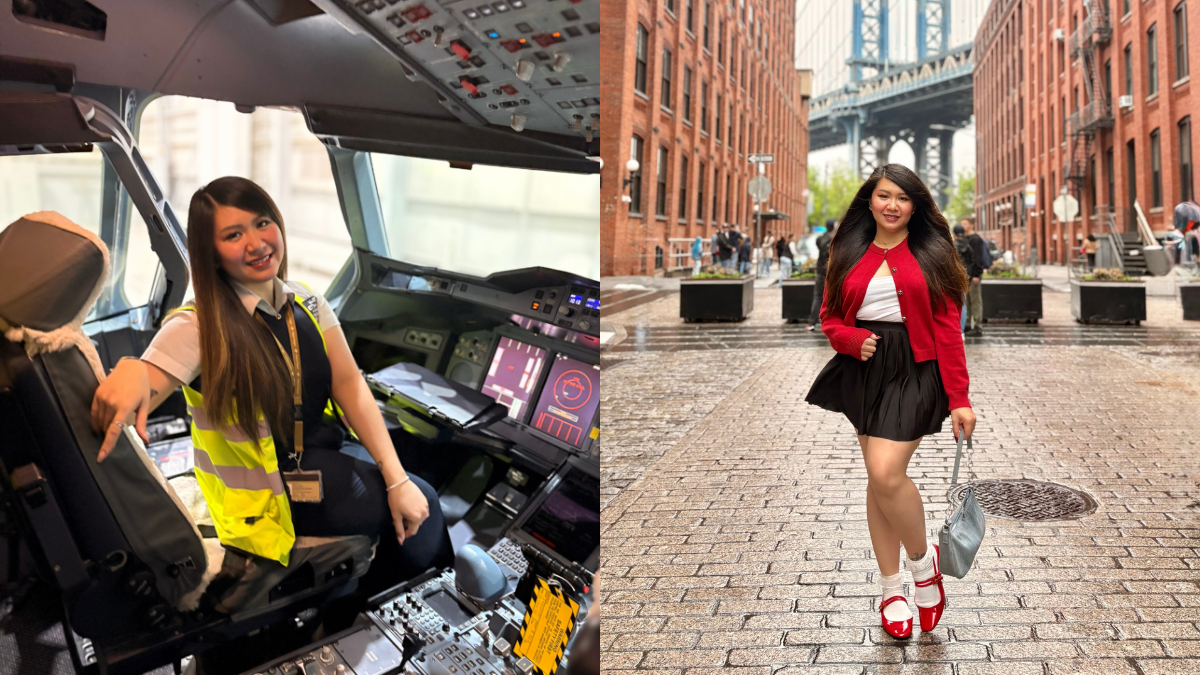

Some people chase their dream job. Some fall into it. And some spend years losing it and finding it again before they finally understand why it was always meant for them. Kathrina Roldan Sarceno belongs to that last group — and her path back to the skies was anything but direct.

Born and raised in Abu Dhabi in 1994, Kathrina is among a generation of Filipinos who grew up calling the UAE home without ever quite fitting the mold of the OFW narrative. There was no dramatic departure, no tearful airport farewell. The UAE was simply where life was — familiar streets, familiar faces, a family embedded in the aviation industry that set the backdrop for everything that came after.
Leaving the only home she knew
The first real disruption came not from a job, but from a plane ticket to Manila.

With college fees in Abu Dhabi out of reach for many Filipino families, Kathrina’s parents made the practical but painful decision to send her and her twin brother back to the Philippines to study. “In Abu Dhabi, everything was familiar — my family, school, and daily routine,” she recalls. “But in the Philippines, I had to adjust to a different education system, manage my own time and finances, and learn how to live away from my family for the first time.”
It was her first experience of starting over — and it would not be her last.
She and her brother chose aviation, drawn in part by a family already immersed in the industry. Growing up, the dinner table conversations were not just about the glamour of the skies. “My family was already based in the airline field here in the UAE,” she says, “so my twin brother and I were also guided toward taking an aviation course.” They went in with clear eyes.
Working the floor before the career took off
Graduating with an aviation background did not guarantee a runway straight into the industry. Back in the UAE at 19, Kathrina found herself hawking products at Carrefour, promoting mobile phones for a telecom brand, and picking up whatever short-term work was available. None of it was glamorous. All of it mattered.
In 2013, the persistence paid off. She landed a data entry encoder role at Abu Dhabi’s leading airline — her first stable foothold in the industry she had trained for. She stayed, learned, and built.
Then the pandemic arrived and took it all away.

Kathrina became part of a company recession program, joining the wave of aviation workers who found themselves suddenly grounded. “Losing my job during that period was one of the most challenging moments of my life,” she says plainly. With no clear timeline for recovery, she did what survival demanded: she pivoted.
The phone calls that changed everything
She took a job at a hospital call center — a world away from aircraft records and airline operations. What she found there reshaped her in ways she had not anticipated.
“Every day, I spoke to patients and families who were scared, tired, and sometimes desperate for help,” she says. “I learned to be more patient, more understanding, and more compassionate.” The work was emotionally heavy, especially during a global health crisis, but it gave her something that career training rarely does — a deeper understanding of what it means to show up for someone.
It also gave her perspective on her own situation. “It taught me that work is not only about earning a salary, but about how your role can affect someone else’s day — or even their wellbeing.”
She stayed a year. Then the call she had been waiting for finally came.
Full circle
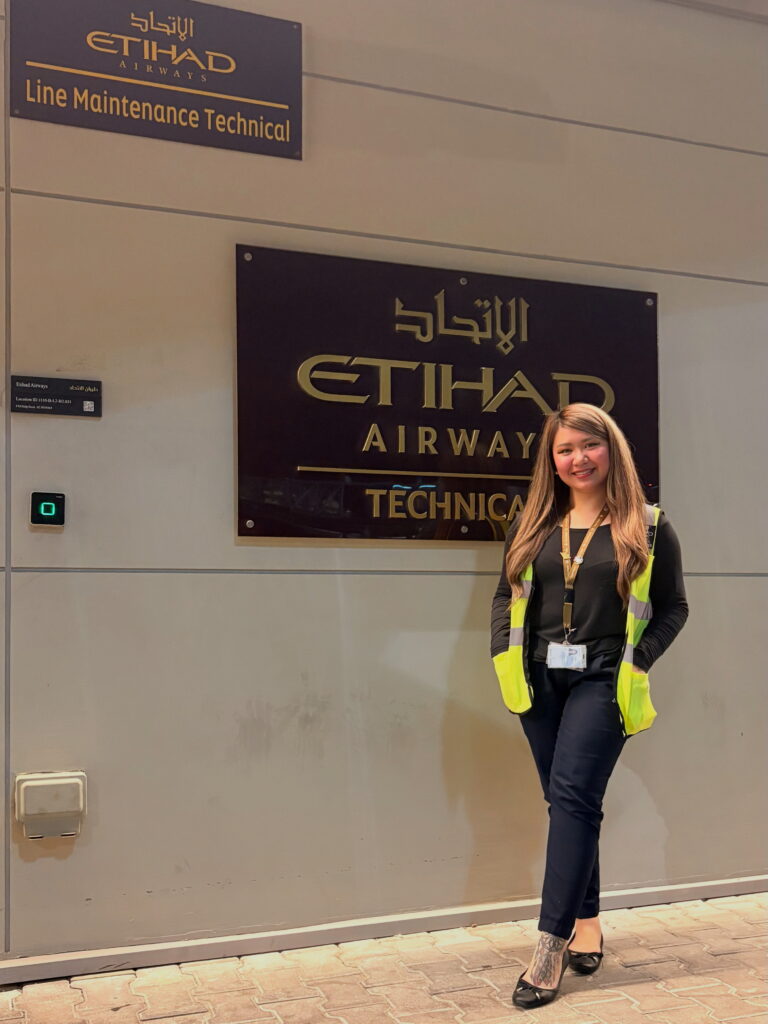
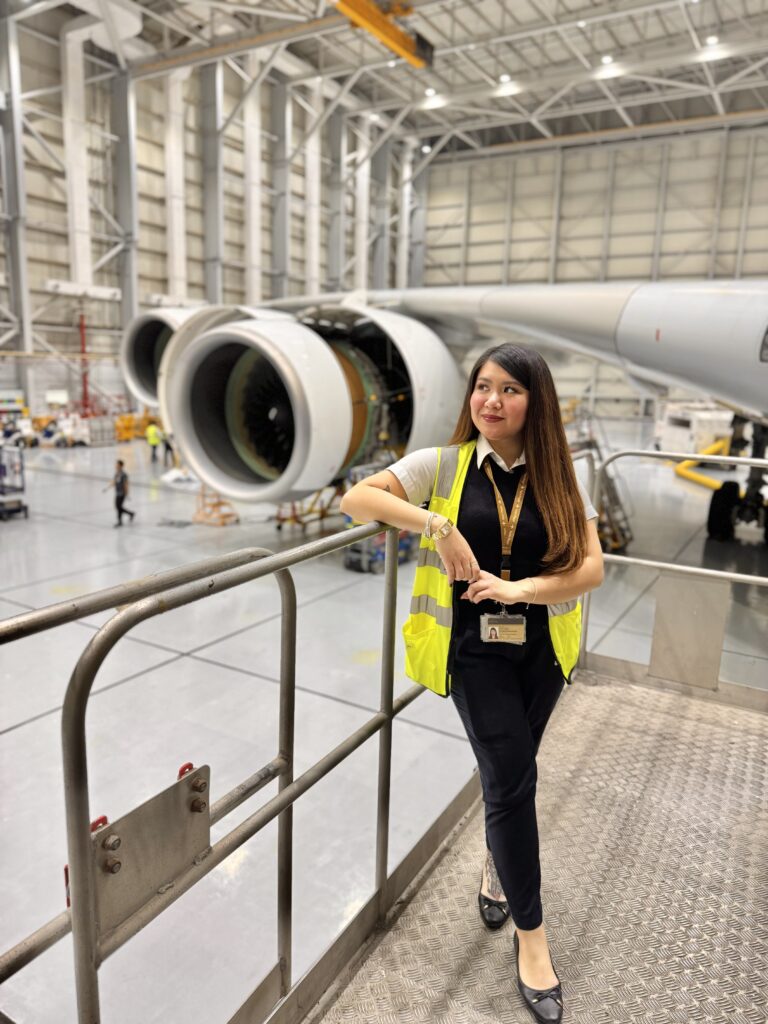
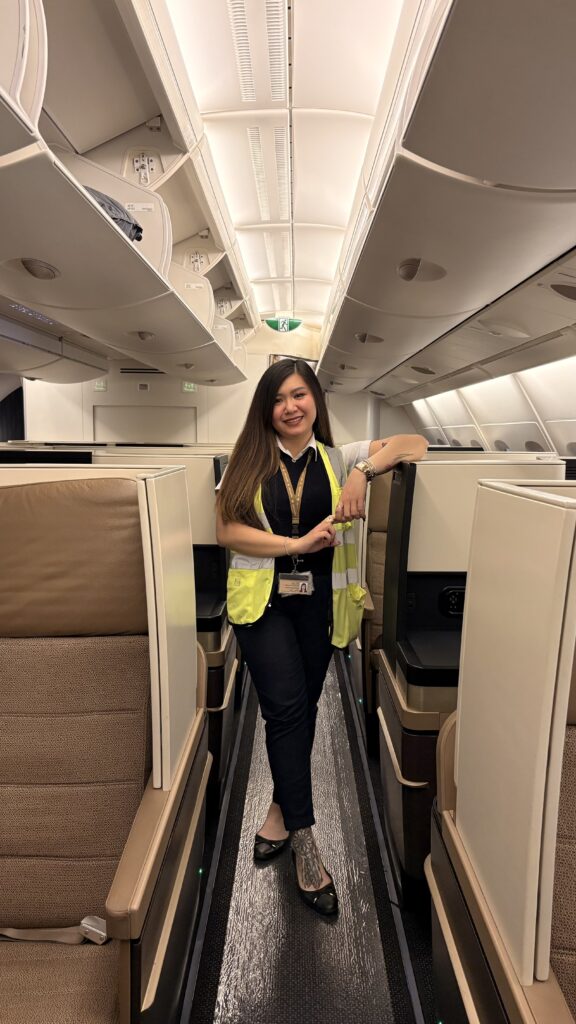
Returning to the flag carrier of the UAE — this time as a Technical Records Officer — was, in her own words, “a dream come true, a proud, full-circle moment.”

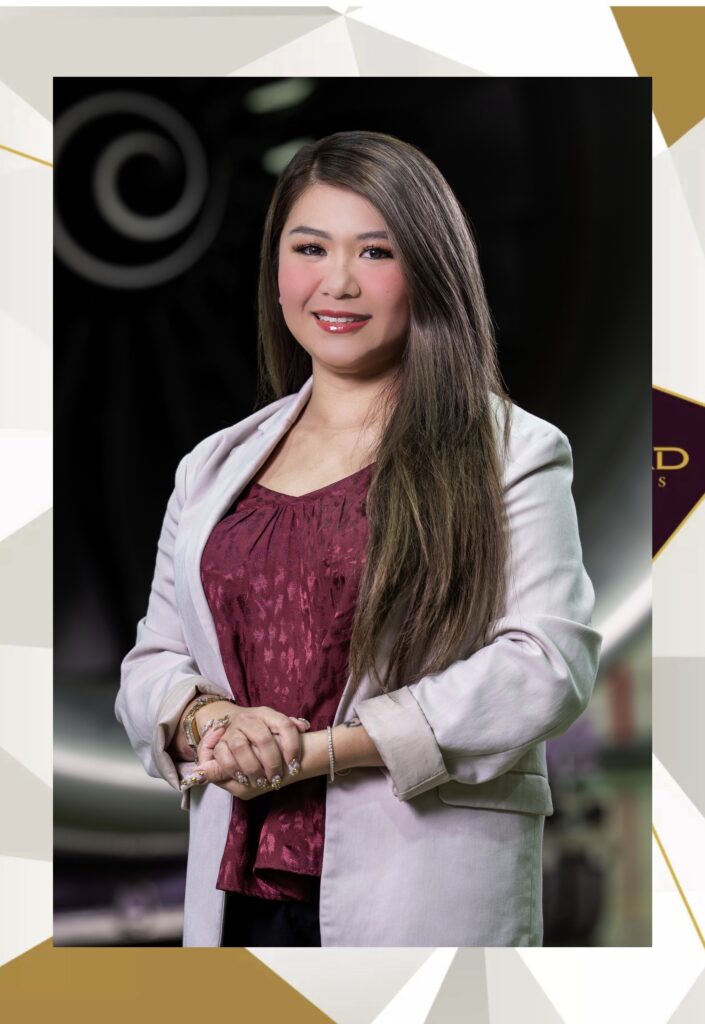
She carries the full weight of that journey into her current role: the airport promotions, the late nights adjusting to life in a new country, the pandemic layoff, the hospital calls. None of it was wasted.
For Kathrina, the story she most wants other Filipinos to hear is a simple one: delays are not denials. “Sometimes, the long way around is exactly what prepares you for where you truly belong.”
She would know.
