




The upcoming Barangay and Sangguniang Kabataan Elections (BSKE), originally scheduled for December 1, 2025, could be moved to November 2026 once President Ferdinand Marcos Jr. signs the bill postponing the polls, according to Local Government Secretary Jonvic Remulla.

In a media briefing held in Legazpi City on Thursday, Remulla revealed that the proposed measure, now awaiting presidential approval, also includes changes to term limits. Under the bill, barangay chairpersons and councilors will be allowed to serve up to two consecutive four-year terms, while SK officials will be limited to a single four-year term.
The adjustment seeks to address inconsistencies in current term durations. Many incumbent officials have only served two years so far due to repeated election postponements. The last BSKE took place in October 2023 following delays originally set off in 2022.
Remulla dismissed concerns that the new term structure may conflict with a 2023 Supreme Court decision, which invalidated a law that shortened the tenure of elected officials. He clarified that the move merely aims to “equalize” term lengths rather than override constitutional safeguards.
Despite the Department of the Interior and Local Government’s (DILG) position, the Commission on Elections (Comelec) underscored that no official postponement has been made.

“As of today (Thursday), there is no information from Malacañang about a law postponing the Barangay and SK elections or extending the term of current officials,” Comelec Chairman George Erwin Garcia told DZMM.
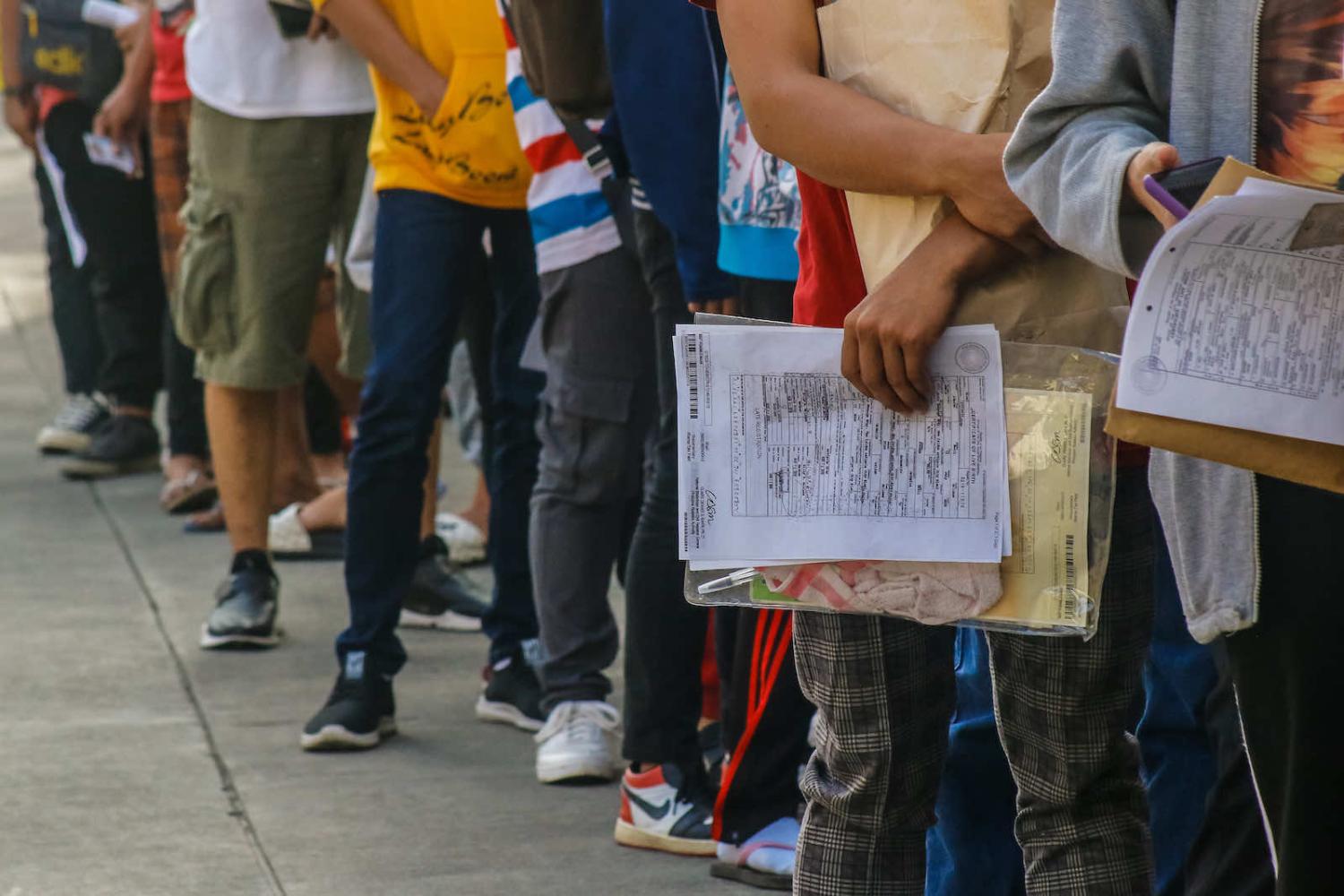
Garcia confirmed that Comelec is still operating under Resolution 11132, with voter registration set to run from August 2 to 10. The agency aims to register at least one million new voters and is prepared to defend the 2025 election date if challenged in court.
The BSKE has been subject to multiple delays in recent years. Although lawmakers previously argued that rescheduling the polls to 2026 would avoid conflict with the 2025 midterm elections and promote governance continuity, several watchdog groups have criticized the proposal, warning it undermines electoral accountability.
Should the President sign the bill into law, the DILG said it will release implementing guidelines to facilitate the transition to the new schedule and term limits.
