



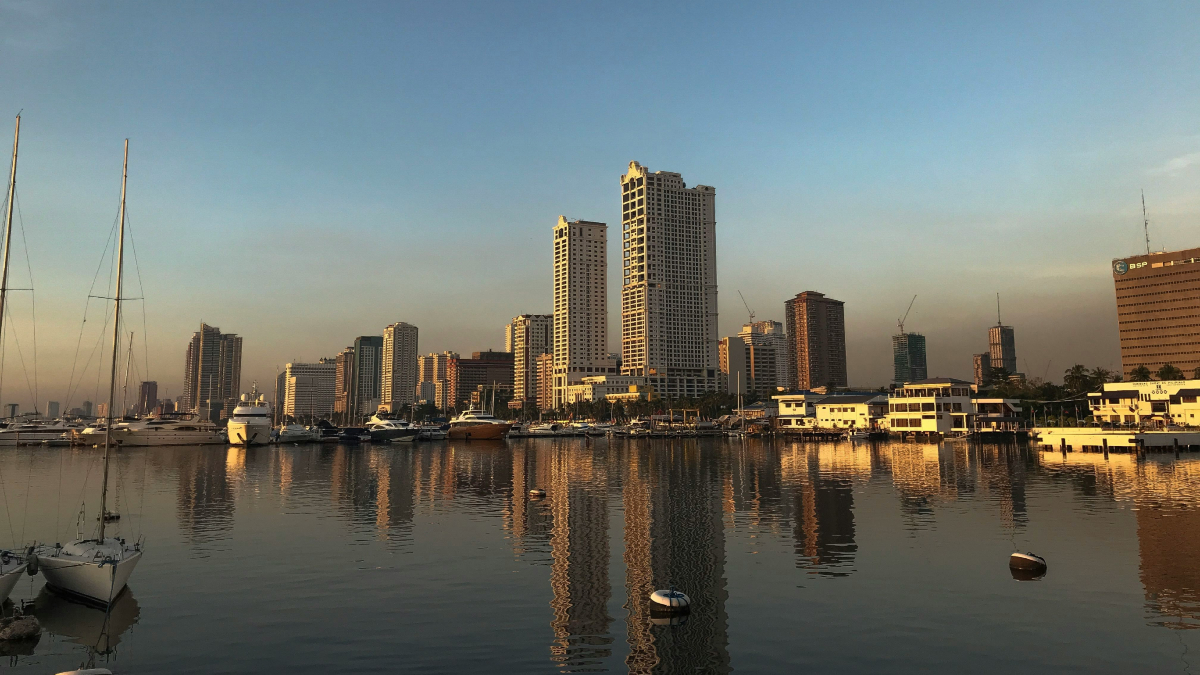

The country’s air quality showed significant gains last year, with pollution levels easing across major urban centers, according to the Department of Environment and Natural Resources–Environmental Management Bureau (DENR-EMB).

In a report released Monday, the agency said nationwide levels of Particulate Matter 10 (PM10)—tiny particles from dust, construction, vehicles, and industrial activity—fell by 28.2 percent, from 39 micrograms per normal cubic meter (µg/ncm) in 2016 to 28 µg/ncm in 2024. The National Capital Region (NCR), long regarded as one of the most polluted areas, also registered a 17.4 percent decline in PM10 concentrations, from 46 µg/ncm to 38 µg/ncm.
The bureau likewise reported an improvement in NCR’s PM2.5 levels, which pose greater health risks since they can penetrate the lungs and bloodstream. From 27 µg/ncm in 2016, PM2.5 dropped to 16.86 µg/ncm in 2024, marking a 3.76 percent decrease.

Overall, 22 out of 34 highly urbanized centers—or 65 percent—met the ambient air quality standards for both PM10 and PM2.5 last year, surpassing the 62 percent target set by authorities.
DENR-EMB credited the gains to intensified measures between 2022 and 2024, particularly the crackdown on vehicular emissions, which remain the top contributor to air pollution. The agency issued 1,807 certificates of conformity to vehicles meeting Euro 4 emission standards, which strictly limit nitrogen oxide, carbon monoxide, hydrocarbons, and particulate matter in exhaust systems.
While the progress was notable, the bureau stressed that continuous monitoring and stricter enforcement remain crucial to sustaining cleaner air for millions of Filipinos.
