



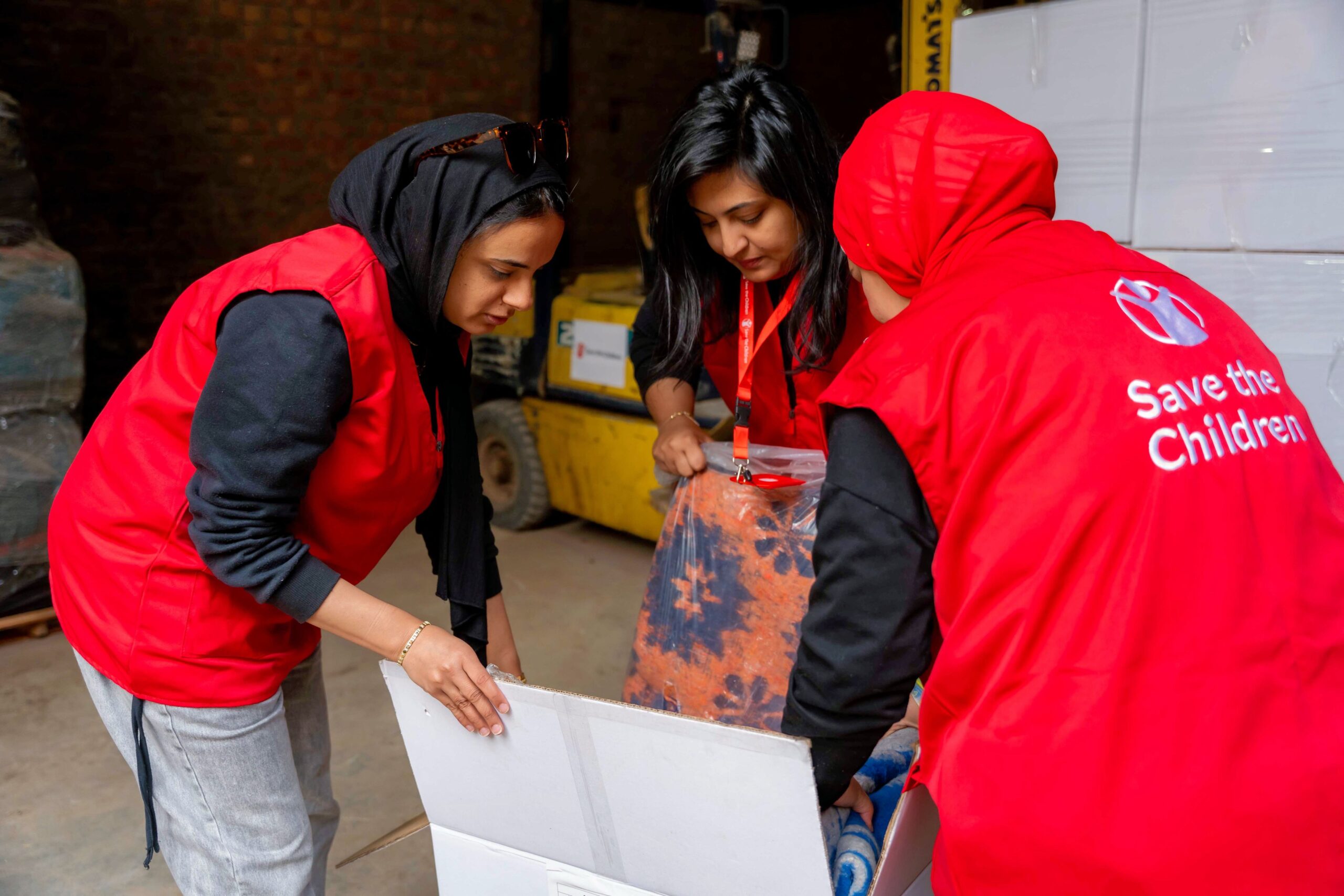

Medical supplies, nutrition kits, and medicines meant for hundreds of thousands of children in Sudan, Afghanistan, and Yemen are sitting idle in the Middle East, trapped by the war between US-Israeli forces and Iran that erupted on February 28.

Save the Children disclosed Wednesday that the fighting had thrown global humanitarian logistics into disarray, with shipping costs climbing as much as 50 percent in some corridors as aid organizations scramble to find alternate delivery paths.
At the center of the disruption is the Strait of Hormuz, where Iranian threats have effectively choked off a waterway that normally carries a fifth of the world’s oil supplies. The knock-on effect for aid shipments has been severe.
A consignment of antibiotics, antimalarials, deworming treatments, and fever medicines bound for Sudan is among the blocked cargo, currently stranded in Dubai. Save the Children said more than 90 primary health care facilities across Sudan now face the prospect of running out of essential medicines, putting over 400,000 children at risk. The charity is looking at moving those supplies overland through Saudi Arabia to Jeddah, then by sea to Port Sudan — a detour that could add between $1,000 and $2,000 per container to costs.
In Afghanistan, critical nutrition supplies for 5,000 children and 1,400 pregnant and breastfeeding women originally planned for shipment from India through Iran will now have to be flown in. The cost of that airlift — more than $240,000 — exceeds the value of the supplies themselves, the charity said.

Yemen is also affected. Another Dubai-held consignment of medicines, including antibiotics for around 5,000 children, will be moved by road for the first time in Save the Children’s history, the organization said, a shift that will double transport costs.
“The escalating conflict is having grave ripple effects for children far beyond the region,” said Willem Zuidema, the NGO’s head of global supply chains.
Zuidema pressed all parties to the conflict to allow aid to move without obstruction, calling for specific exemptions covering humanitarian cargo, food, and fertilizer through the Strait of Hormuz. “There should be no barriers to life-saving supplies,” he said.
He also cautioned that with global humanitarian needs already at record highs, further escalation risks compounding crises in countries that have no direct stake in the fighting.
