



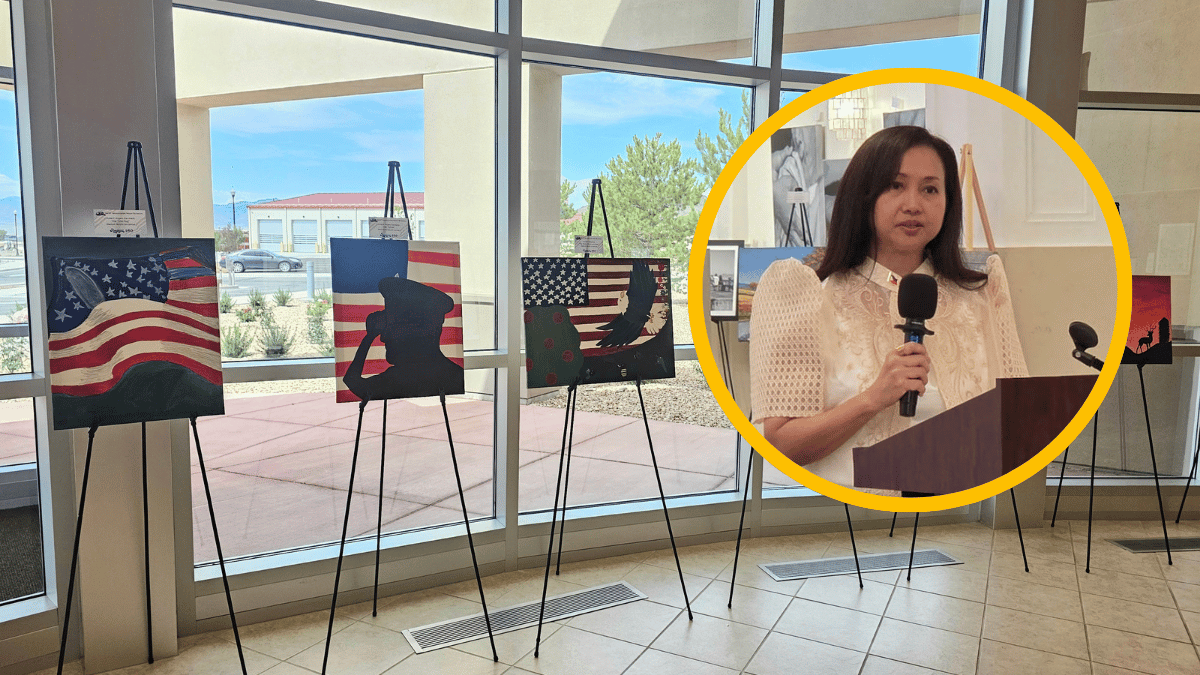

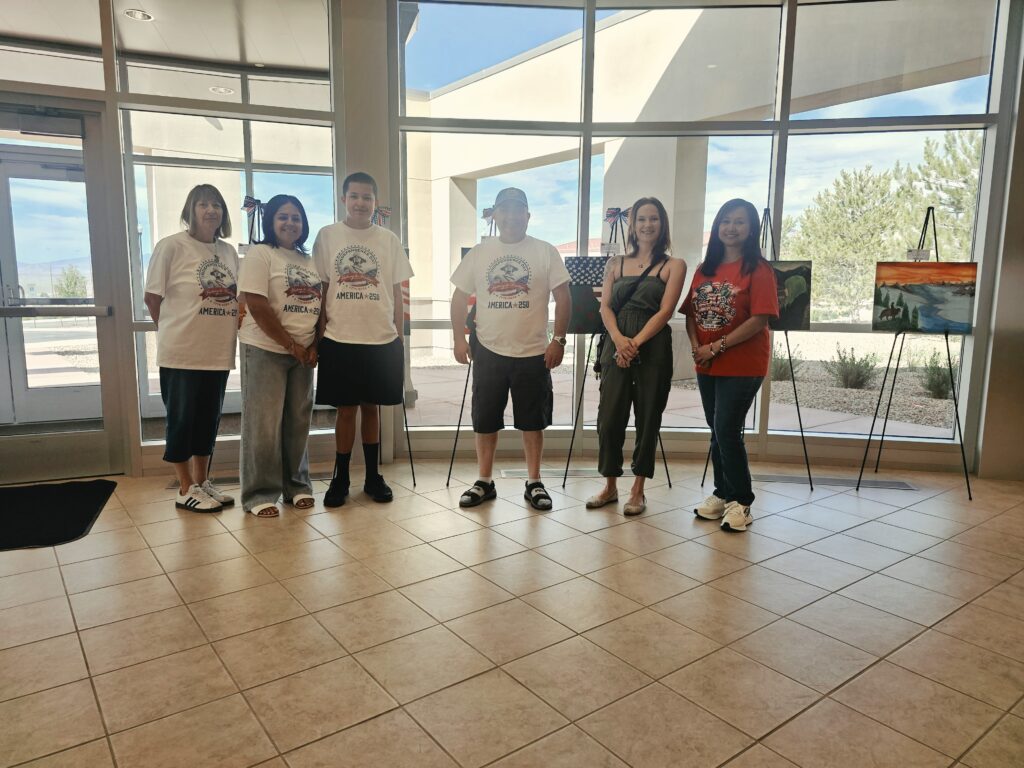
Throughout July, West Wendover City Hall in Nevada displayed artwork by high school students from the small rural community, each piece created to mark 250 years of American independence.

The exhibition was organized by their art teacher, Catherine Paje, a Filipina visual artist and educator, in partnership with the City Government of West Wendover. Selected works by Catherine hung alongside those of her students. The young artists were invited to show visually what America means to them, and their pieces expressed love for the country, pride, gratitude, and the positive experiences they have had living there.
Community members who saw the show described it as “inspirational” and “outstanding.” Moving the work out of the classroom and into a civic building gave residents a chance to hear directly from the town’s young people, turning a school assignment into something public. For the teacher, the project showed why students need genuine opportunities to share their voices with the community around them.
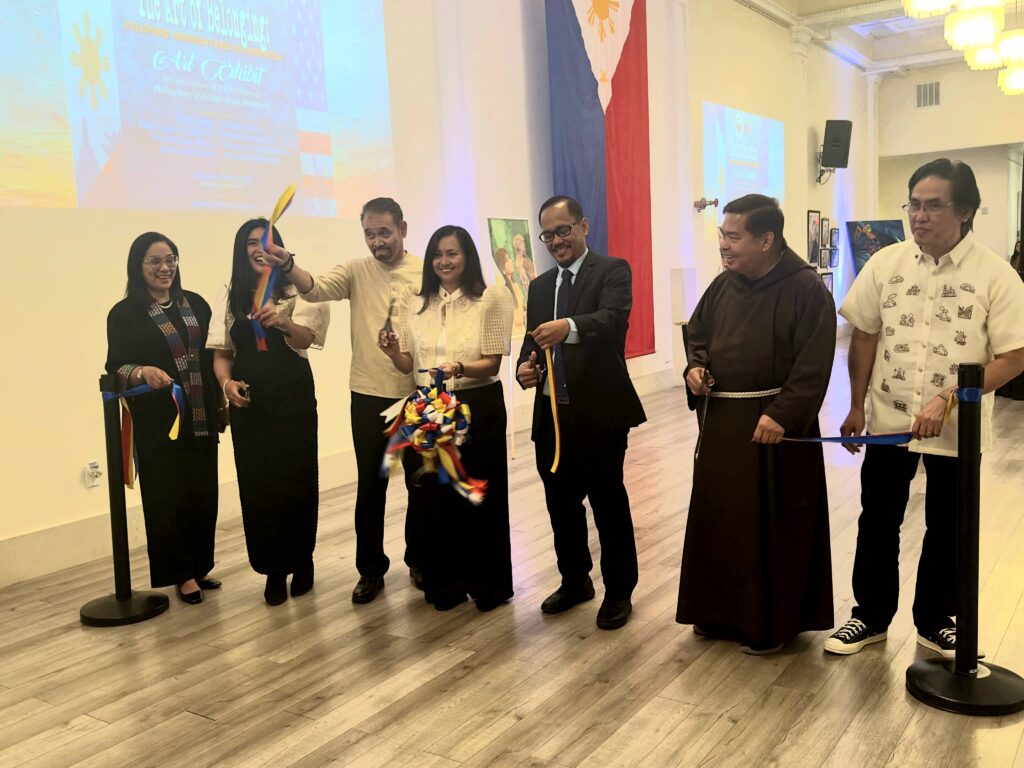
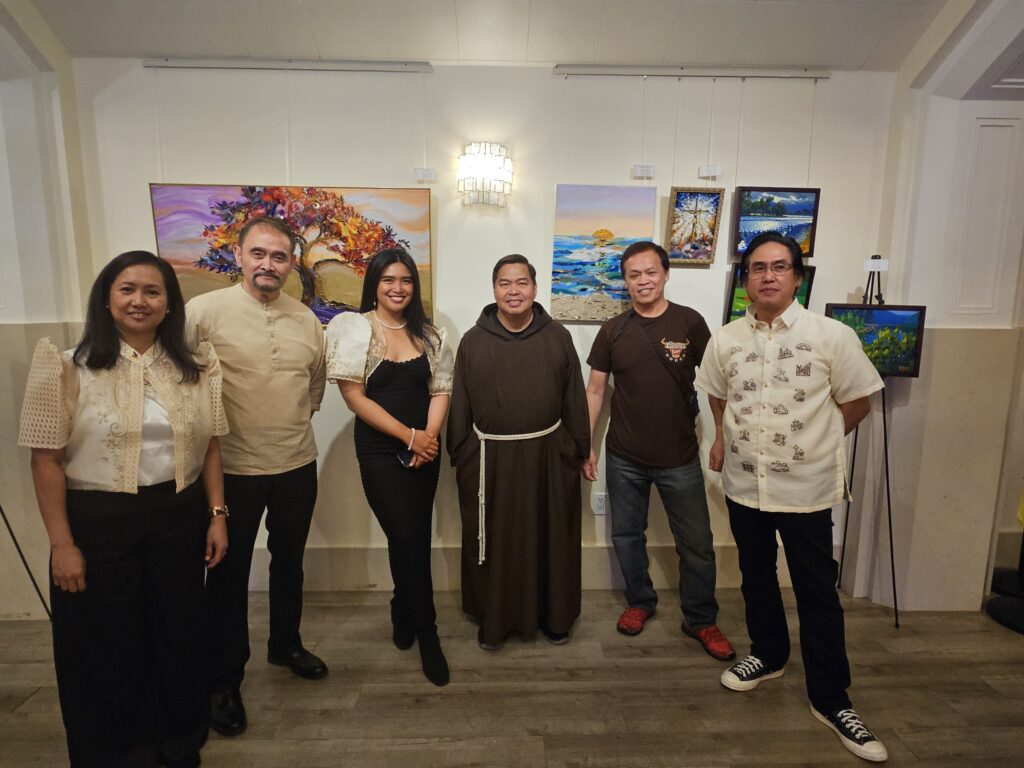
That Independence Day showcase followed, by only a few weeks, a very different exhibition Catherine had led in California. In June, she organized “Art of Belonging: Filipino Narratives in America” at Kalayaan Hall of the Philippine Consulate General in San Francisco. The event was tied to two milestones: the 80th anniversary of diplomatic relations between the Philippines and the United States, and the 128th Philippine Independence Day.

Nine established Filipino artists based in the U.S. contributed work, the Nevada-based educator among them. Their pieces drew from life in the diaspora, touching on identity, culture, migration, belonging, and the lasting ties between the homeland and the country many now regard as a second home. Each artist brought a personal perspective to the ongoing story of friendship between the two nations.
Catherine’s own path has run from the Philippines to Bahrain and eventually to the United States, a journey that shaped her view of art as a means of connection. She sees it as a way to tell stories, preserve heritage, bring communities together, and help people understand what it means to belong. Her classroom is now in rural Nevada, but through exhibitions, cultural projects, and student showcases, her work reaches well beyond it.
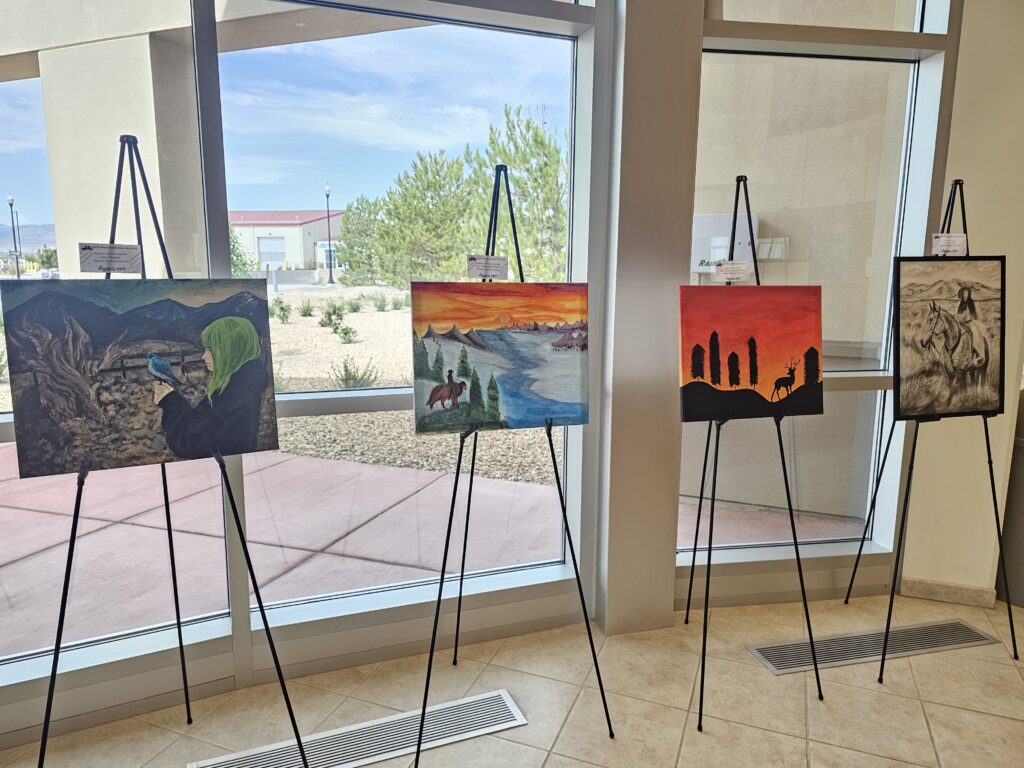
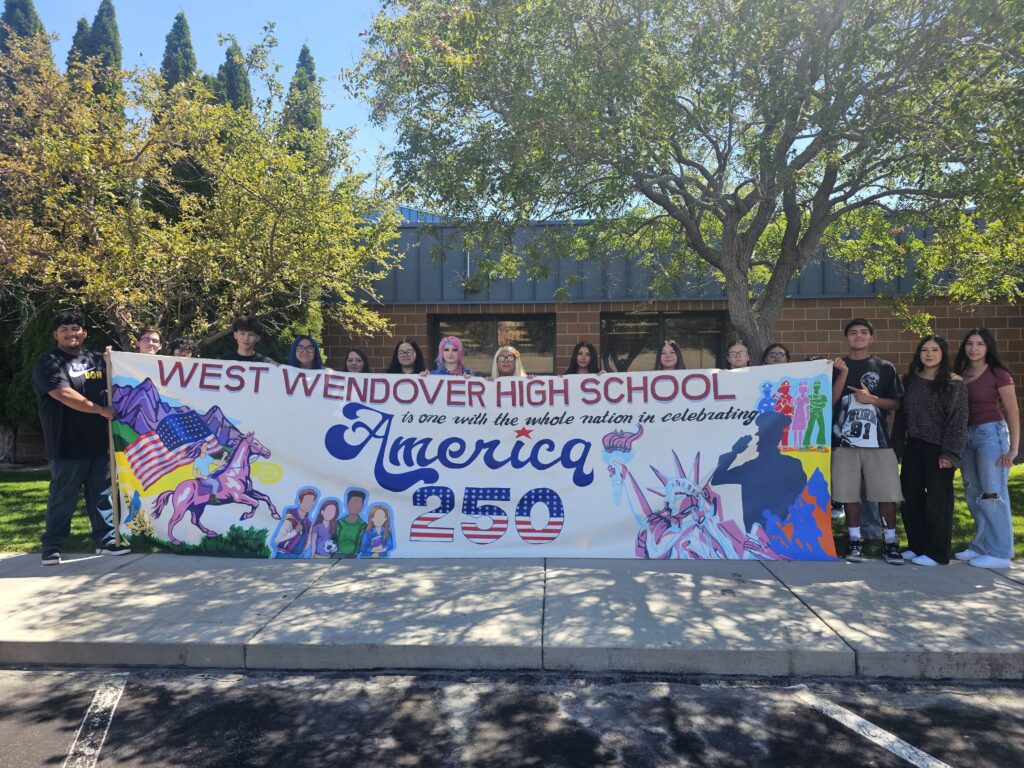
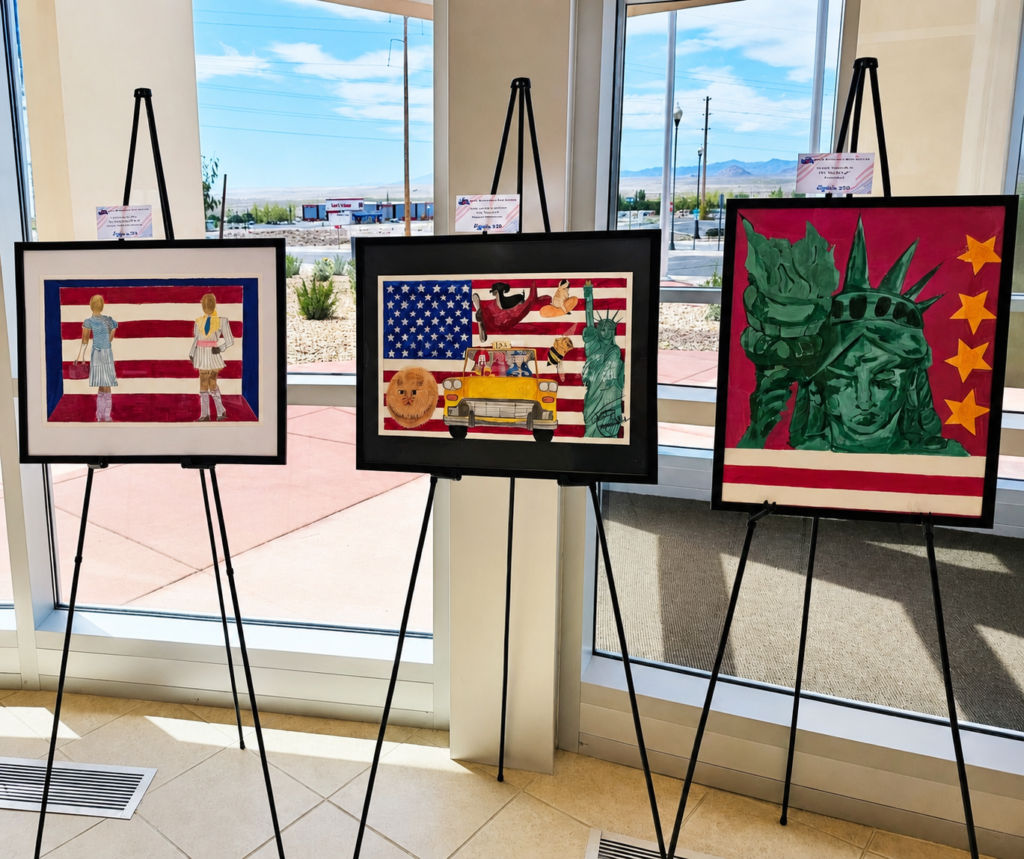
The two 2026 projects reflected both sides of that experience. In San Francisco, the Filipina artist celebrated her roots alongside fellow Filipino artists living in America. In West Wendover, she helped her high school students give form to their own connection with the United States.
The San Francisco exhibition also had a life after its run. Selected artworks were donated to Sentro Rizal, placing them within a broader collection of Filipino creative work.
