



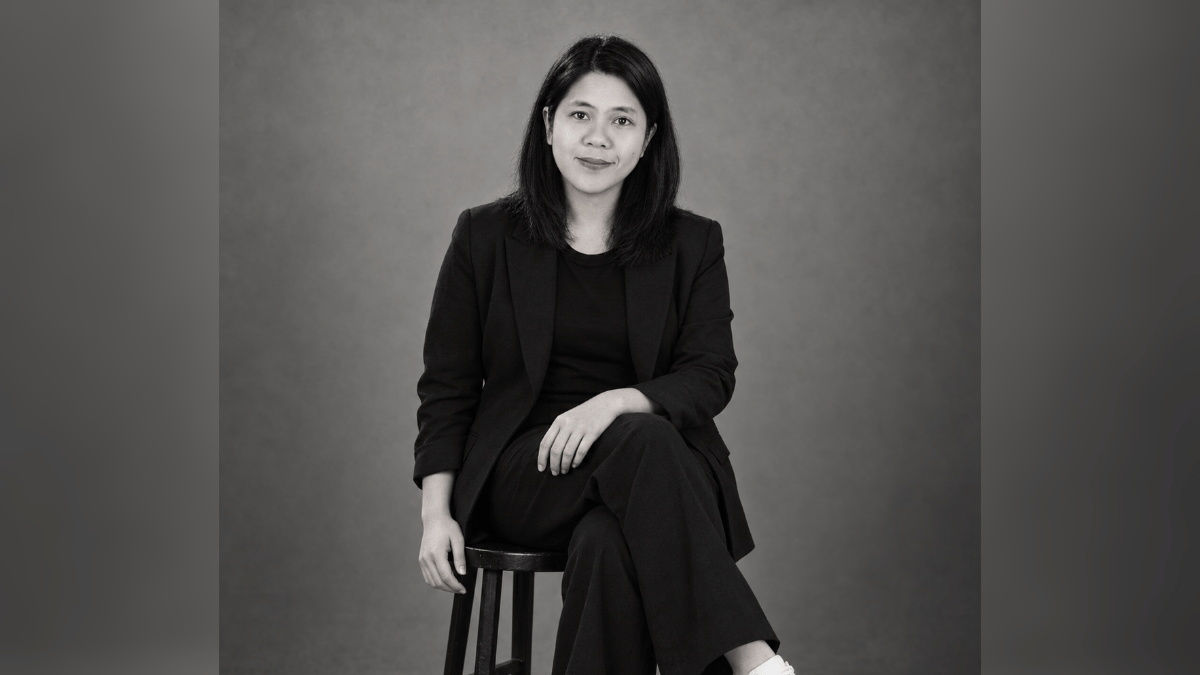

The first week belonged to walking. One production house after another across Dubai Media City and Studio City, a résumé in hand, a short introduction rehearsed until it sounded natural, a request for a few minutes of a stranger’s attention. Joremi Ongue had landed in a city where she knew almost no one, carrying years of television experience and the fresh sting of a career that had ended before she was ready to let it go.

More than eleven years later, that same woman oversees campaigns for brands whose names read like a luxury directory: Hyundai, Mercedes-Benz, Six Senses Residences. As Executive Producer and Co-Founder of Toosuns Creative Production LLC, the 37-year-old builds the films and campaigns that most people scroll past without ever wondering how they were made. The polish is the point. What it hides is a beginning that looked nothing like the result.
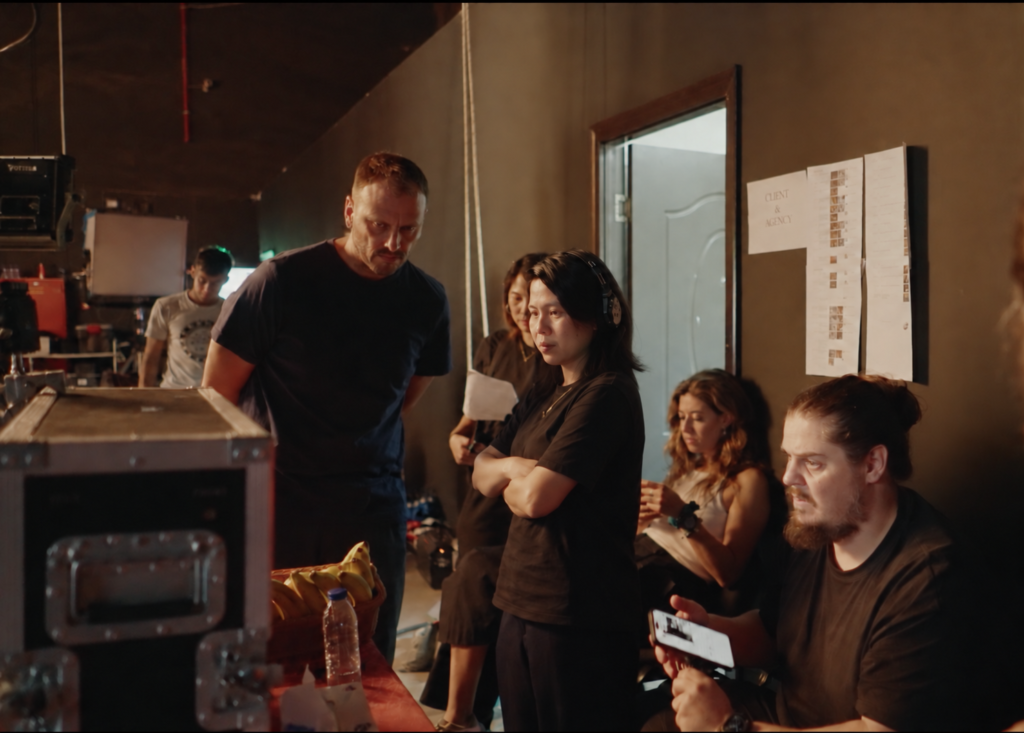
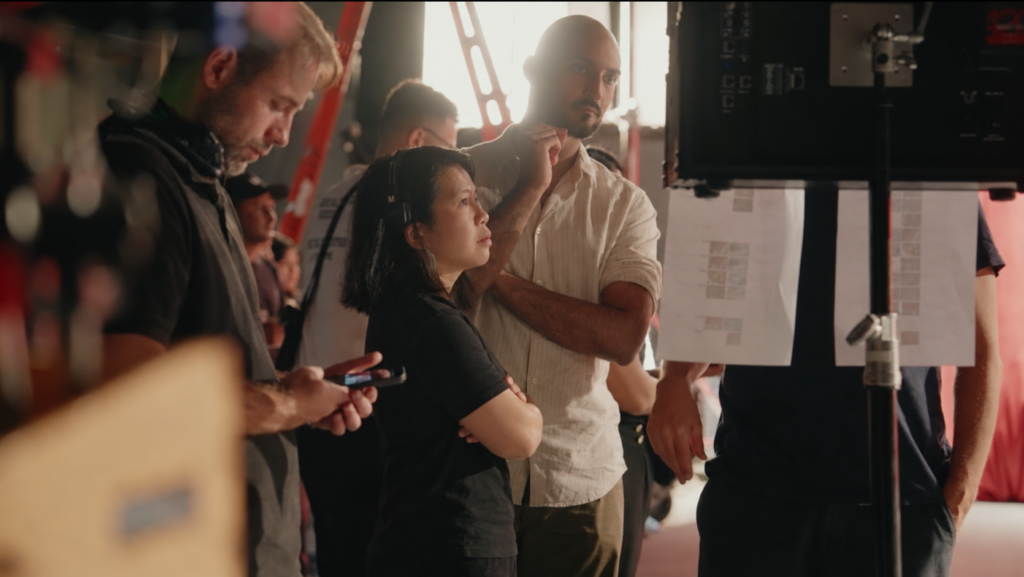
“Keep showing up,” she shares with TGFM when asked what has carried her this far. “The door may not open immediately, but persistence creates its own opportunities.” It is a tidy sentence for a decidedly untidy journey.
The dream job, and the end of it
Long before Dubai, there was a television network — the one she had wanted to join since childhood. She spent more than five years there, and in that time it became far more than an employer. It was where her professional identity took shape, where her friendships lived, and where she assumed her long-term future would unfold.
“Leaving was difficult because my professional identity, friendships and future ambitions were closely connected to that organization,” she recalls. A personal matter, she explains, developed into an internal management issue and eventually brought her employment to an end. She does not dramatize it, and she does not dwell on the specifics. What she returns to instead is the aftermath — the confidence that cratered, the sense of direction that disappeared along with the job title.
It would be easy to expect the proudest moment of a producer’s career to be a marquee client or a finished film. Joremi’s answer is quieter than that, and more revealing.
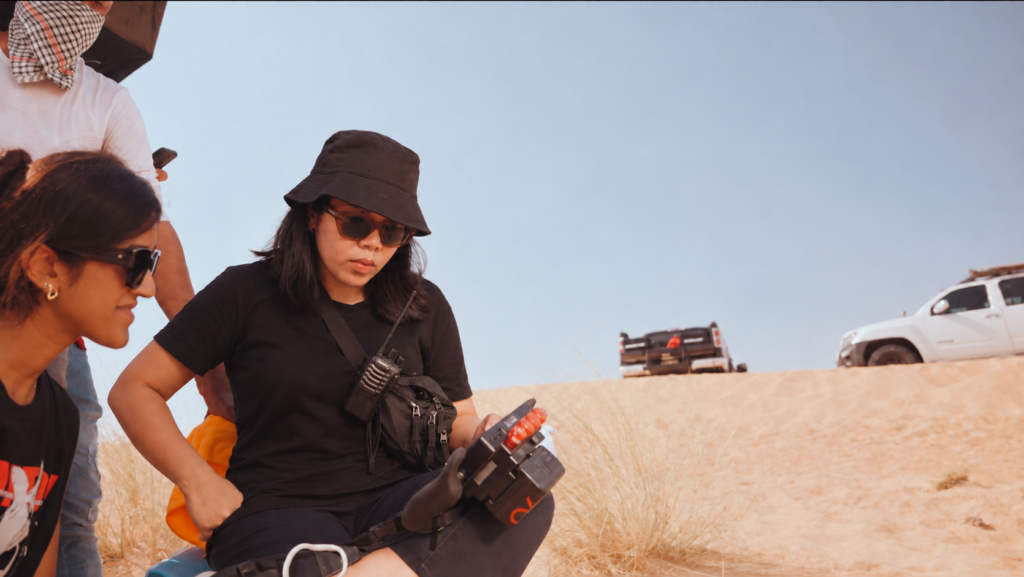
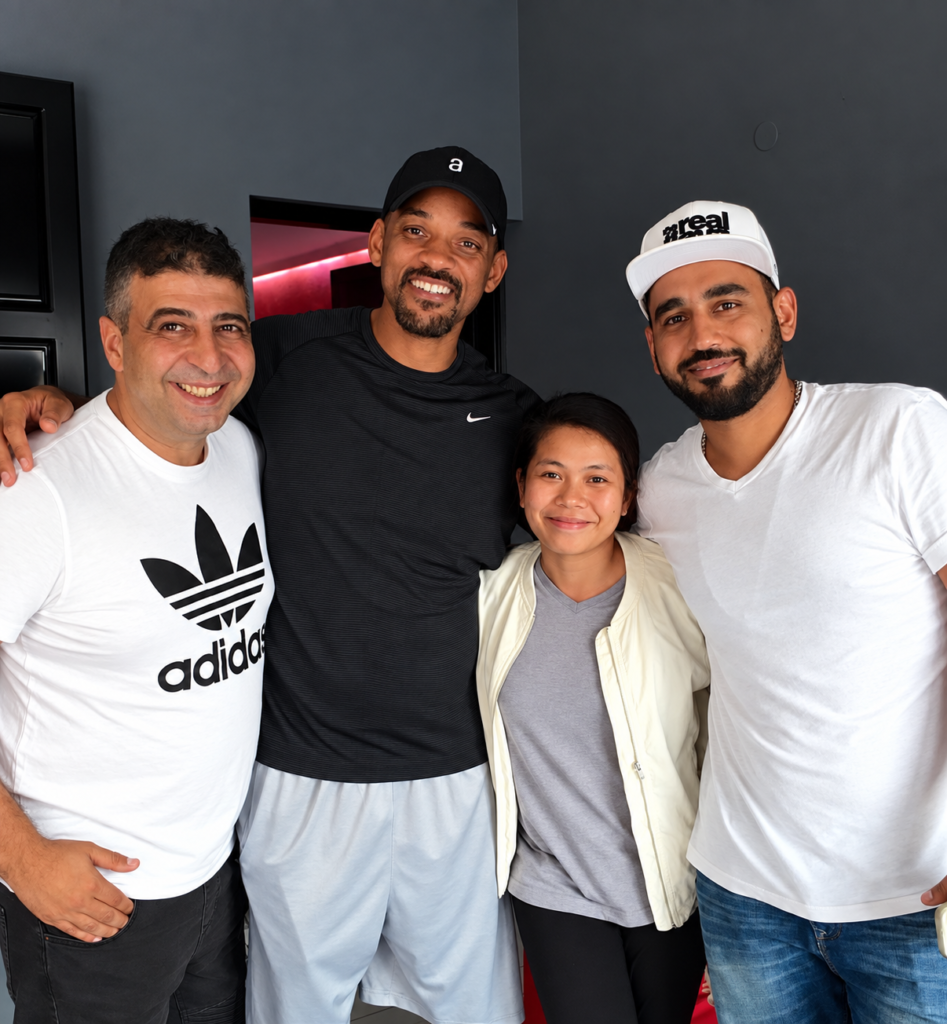
“My most significant achievement has been finding the strength to stand again after a setback that left me rebuilding from the ground up,” she says. Rebuilding, she adds, meant learning to trust her own abilities again, chasing opportunities despite uncertainty, and allowing herself to dream past what she had lost. “The achievement I value most is having recovered the courage to move forward.”
That framing — courage measured above credentials — runs underneath almost everything she describes.
Two weeks, and a first yes
The move to Dubai was meant to be a fresh start, not a business plan. She arrived without the faintest idea that entrepreneurship waited somewhere down the line. What she had, instead, was urgency and a refusal to quit the work she had spent years learning to do.
So rather than wait for job listings to find her, the Filipino producer went looking in person, company by company, presenting her experience to anyone who would receive it. The approach was unglamorous and exhausting, and it worked faster than she could have hoped. Within two weeks, the walking paid off.
Her first opportunity came from Bliss Inc Entertainment, the company founded by DJ Bliss — the artist and television personality familiar to viewers of Netflix’s Dubai Bling. The role dropped her straight into the region’s entertainment machinery: commercials, campaigns, branded content. And the assignments escalated quickly.
Over roughly two years there, she worked on productions involving international artists including Will Smith and Silentó, contributed to campaigns for brands such as Chevrolet, and traveled to Qatar, Kuwait and Lebanon whenever the work demanded it. For a woman who had arrived rebuilding from zero, the pace was proof that the gamble on Dubai had been the right one.
Then the company shifted its focus, and the ground moved beneath her again. This time the search stretched longer.
“After months of searching,” she says, she secured a producer position at an agency specializing in luxury brands. If Bliss Inc had introduced her to the region’s energy, the luxury agency taught her its exacting standards.
Learning a market from the inside
Luxury, it turns out, is a demanding classroom. At the agency, her work expanded to include content for Bulgari and Majid Al Futtaim, along with publications such as Harper’s Bazaar. Each project sharpened the same set of instincts: how to manage complexity, how to communicate across cultures, and how to hold a production together when the plan inevitably changed mid-shoot.
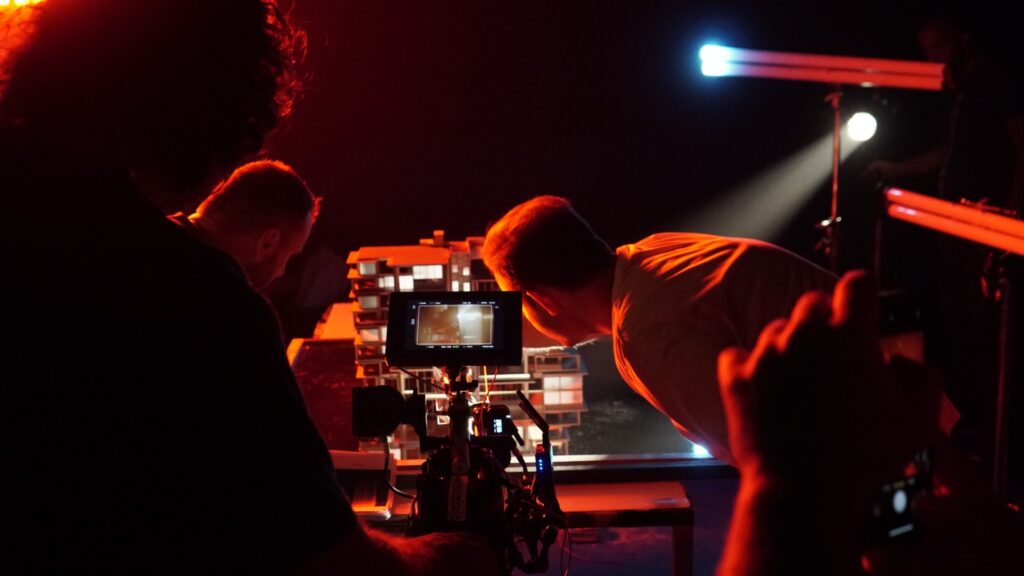

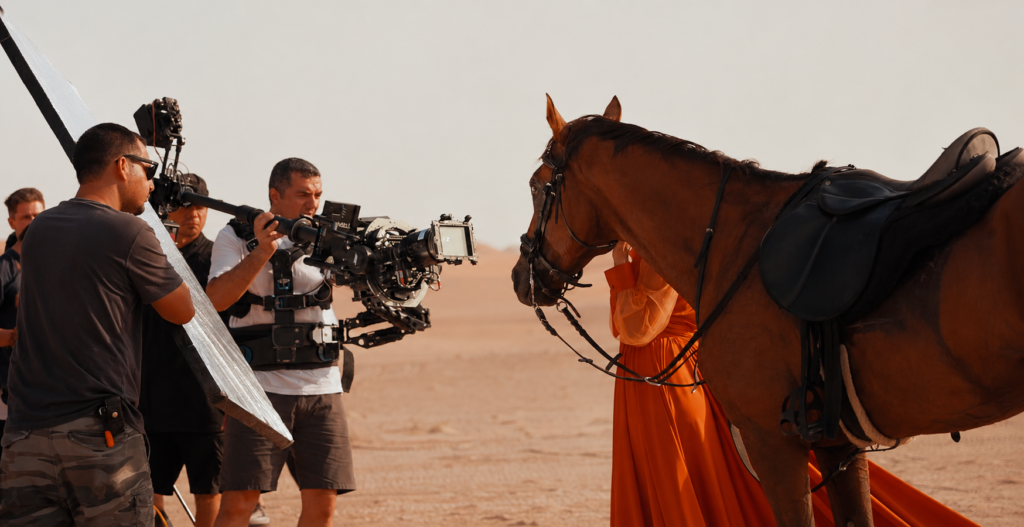
That last skill — adaptability — is one the former television woman credits almost entirely to Dubai. Her interest in production had begun with a simple childhood ambition to work in television, and although her path bent in directions she never predicted, her fascination with the craft never wavered. What the UAE added was a lesson in people.

“Collaborating with people from different cultures taught me to listen carefully, adapt my communication and understand the different expectations that people bring to a project,” she says. The satisfaction of the job, for her, has always lived in the same place: the moment a scattered idea becomes a finished, collaborative thing. “A successful production requires both creative understanding and practical judgment,” she explains — interpreting the brief, assembling the right team, coordinating resources, protecting quality from first frame to last.
By this stage she had gathered a rare combination: entertainment experience, luxury discipline, an address book of international crews, and a working fluency in the region’s expectations. The pieces were beginning to suggest something that belonged to her alone.
Building Toosuns
Toosuns grew out of that accumulation. What started as one woman’s attempt to recover from a professional wound became a company with its own creative direction and its own standards.
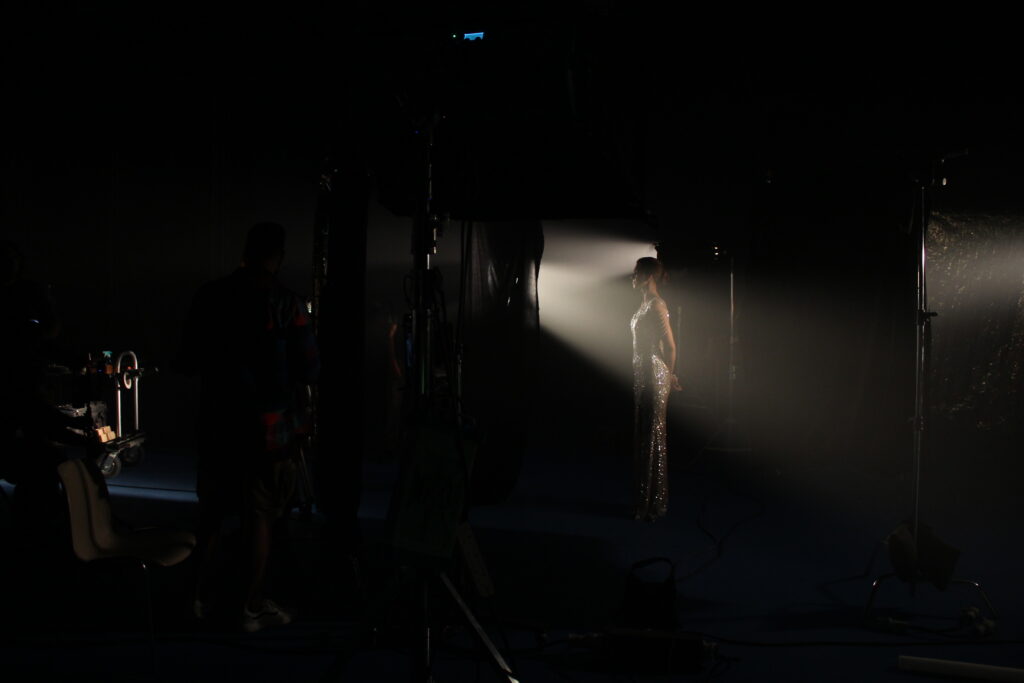
Today her responsibilities read like a producer’s full remit and then some. She oversees productions, manages client relationships, hires international crews, and pulls creative teams together to turn ambitious pitches into finished films. The portfolio now spans luxury, automotive, beauty, hospitality, real estate and technology, with campaigns connected to names like Hyundai, Mercedes-Benz and Six Senses Residences — a client roster that would have seemed impossibly distant to the woman handing out résumés in Media City a decade earlier.
Yet ask her what the work gives back, and she does not mention the logos. “The greatest satisfaction comes from seeing a production completed through the combined effort of a strong team,” she says. As a founder, that satisfaction has widened into something more deliberate — the chance to give capable people a platform of their own.
She remembers precisely how it felt to be on the other side of that equation. “I remember what it felt like to arrive in Dubai looking for someone willing to recognize my potential,” she says. “Being in a position to provide that trust today is one of the most rewarding aspects of my work.” Having once benefited from a stranger’s willingness to take a chance on her, the executive producer treats the passing-on of that chance as something close to an obligation.
The people who believed
None of it happened in isolation, and she is quick to say so. The early Dubai years carried a loneliness she doesn’t gloss over.
“There were rejections, periods of loneliness and efforts that did not immediately lead to opportunities. At times, I felt very much on my own,” she recalls. She moved forward, she says, mostly by staying willing to learn — listening, asking questions, and accepting guidance from established professionals who, despite their own success, took the time to mentor her. As a Filipino trying to establish herself in an unfamiliar market, she also felt the particular pressure to prove that her work could stand alongside anyone’s.
Her support system arrived in fragments: people who welcomed her, others who helped her find her footing, mentors who shared hard-won knowledge. But one figure stayed constant. She is a respected actress in the Philippines, and out of respect for her privacy Joremi declines to name her. From the moment she arrived in Dubai, Joremi says, the actress believed in her — and through every setback, she kept reminding her that she could stand back up.
“Sometimes, having even one person who continues to believe in you is enough to help you begin believing in yourself again,” she reflects. It is, perhaps, the emotional engine of the whole story: a single unwavering voice, borrowed until she could generate her own.

What a second beginning looks like
These days, Joremi talks about the future in the language of someone who intends to stay. She has bought her own apartment in Dubai — a concrete marker of a long-term commitment to the city that let her rebuild. The plan is to keep Toosuns growing from that base, working across the region and internationally, and to shape it into a sustainable creative company known for thoughtful production and partnerships that last.
But her ambitions reach past her own balance sheet. She wants to use her experience to support people of all nationalities who are starting over or breaking into a market without a network to lean on — the exact position she once occupied. She is candid, too, about wanting her story to correct a certain rosy myth of expatriate life. The extended job hunts, the financial uncertainty, the emotional weight of being far from home: these, she believes, deserve more honest airtime than they usually get.
Her advice to fellow Filipinos abroad carries the plainness of someone who has tested it. Do not lose hope, she urges, but do not mistake belief for a finished act. “Hold on to your dream, because no one will hold it for you.” Step past what feels safe, she says, and treat a single bad season as exactly that — a season. “One rejection, one job loss or one difficult season does not define your entire life. You may need to adjust the plan, but you do not have to abandon the person you are trying to become.”
If there is a thesis buried in the door-knocking and the setbacks and the eventual roster of blue-chip clients, it is a stubbornly hopeful one. “Reinvention is possible at any stage,” she says. She is careful, though, not to claim the credit alone — every client who trusted the company, every collaborator who lent their talent, every friend who offered encouragement became, in her telling, part of the build. “A company is never built by one person alone.”
Which brings the story back to where it started: a woman walking into buildings full of strangers, betting that persistence would eventually open a door. It did. And the version of her standing on the other side now spends her days making sure someone else’s first yes comes a little sooner than hers did.
