



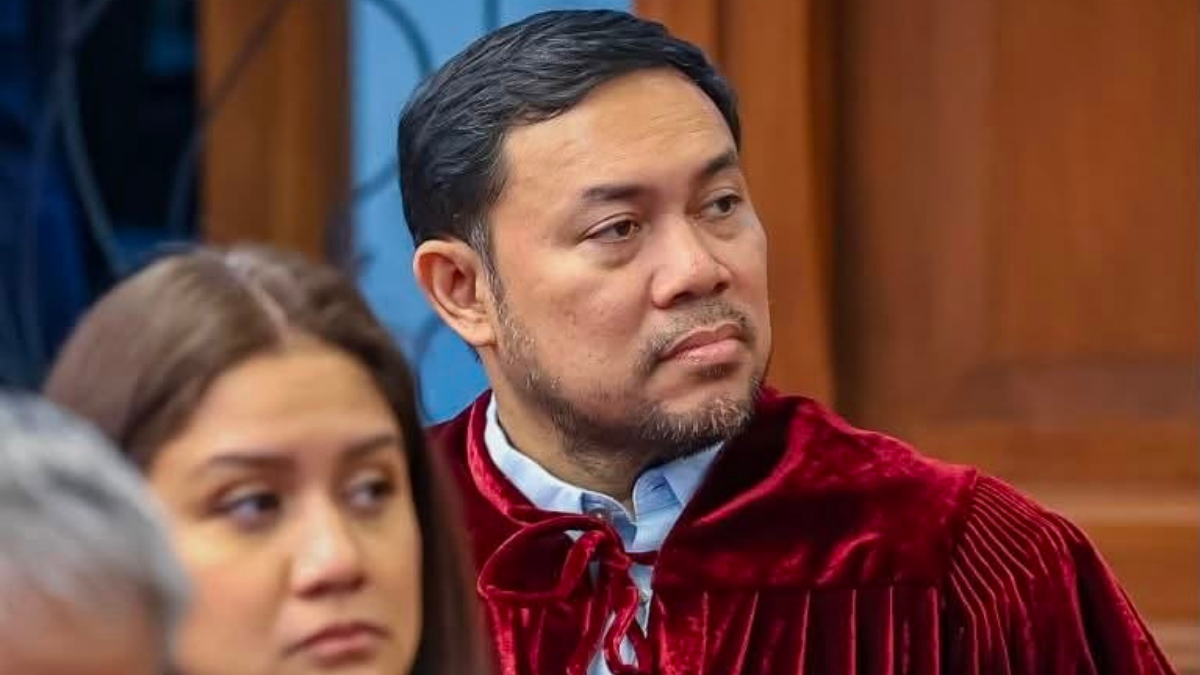

When the Senate impeachment court voted on Wednesday, September 23, 2026, to make it easier to convict Vice President Sara Duterte, Sen. Mark Villar was the only minority senator still in the session hall, and he voted with the majority.

He was one of 13 senator-judges who voted to overturn the 16-vote threshold that Presiding Officer Sen. Chiz Escudero set when the trial opened in July. Escudero cast the only vote to keep his own ruling. The other six members of the minority boycotted the vote and stayed out of the hall: Minority Leader Alan Peter Cayetano and Senators Pia Cayetano, Bong Go, Imee Marcos, Robin Padilla and Camille Villar.
It was the second time that day Villar broke from his colleagues. Hours earlier, Alan Peter Cayetano raised a point of order to stop the court from voting on the threshold at all. When the matter went to the floor, 13 senator-judges rejected his appeal, and five fellow minority members backed him. Villar abstained.
The rule Villar supported means the two-thirds majority needed for conviction will be based only on senators legally and physically able to take part when the verdict is taken. Senators who are detained, suspended, medically incapacitated, beyond the reach of the Senate’s coercive powers, or in similar situations will not be counted.
The question came from Sen. Erwin Tulfo. He asked whether 16 votes should still be required when four senators are not participating in the trial. Two of them, Senators Jinggoy Estrada and Rodante Marcoleta, are in detention on plunder charges that do not allow bail.
Villar’s break from the bloc comes days after the Ombudsman filed criminal and administrative complaints on Friday, September 18, against members of the Villar family, including him and his sister Camille. The complaints involve joint ventures between PrimeWater Infrastructure Corp. and local water districts, which the agency said were grossly disadvantageous to the government. The Ombudsman named Mark Villar, public works secretary from 2016 to 2021 under then-President Rodrigo Duterte, as the company’s beneficial owner.

Camille Villar took the opposite path from her brother. Earlier in the day, she made an unusually emotional appeal for colleagues to stop bringing up the criminal cases of the absent senators. She was responding to Tulfo, who had argued that the drafters of the 1987 Constitution never expected senators to face plunder charges, since lawmakers in their time faced cases of subversion, sedition and rebellion.
“Lahat naman po ng wala dito, hindi naman po sila napatunayan na may sala. Hindi po sila plunderer. Hindi po sila magnanakaw,” she said. (Those who are not here have not been proven guilty. They are not plunderers. They are not thieves.)
She later walked out with the rest of the bloc. After the lunch break, she came back briefly to talk with her brother, then left again.
Tulfo later said he had not called anyone a convicted plunderer and was only pointing out that four senators cannot take part in the trial.
Alan Peter Cayetano had argued that the court had no power to reopen the threshold while the trial was underway and that the question should be decided by the Supreme Court.
