



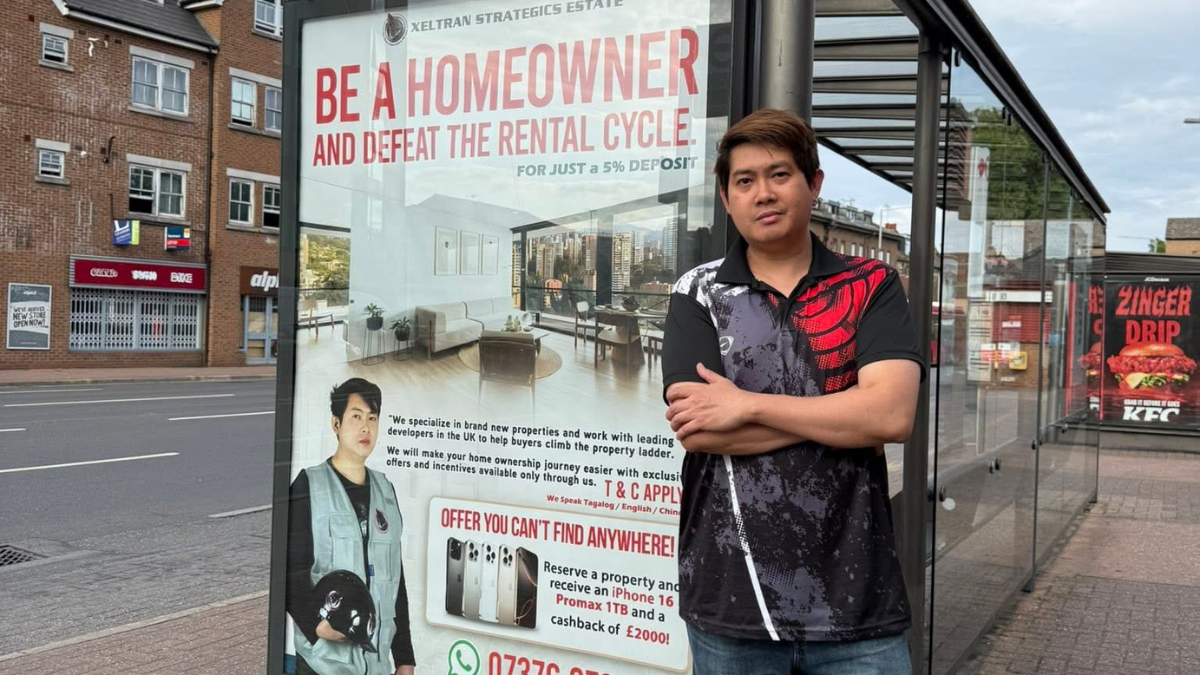

The crates of fish were heavier than he was. Somewhere on the pier in Bacolod City, a high-school kid balanced them toward the suppliers, pocketing what he earned before heading back to class. Thirty years later, Jan Vincent Filiu signs off on property deals in the United Kingdom as Chief Executive Officer and Managing Director of Xeltran Strategics Estate Limited — but ask him where the real training happened, and he won’t point to a boardroom.

At 42, he guides clients through one of the most intimidating decisions of their lives in the UK’s property market. The path that carried him there ran through a carwash in Bacolod City, that fish pier, and a string of survival jobs across two countries — none of which, he insists, he would trade away.
Starting from the ground
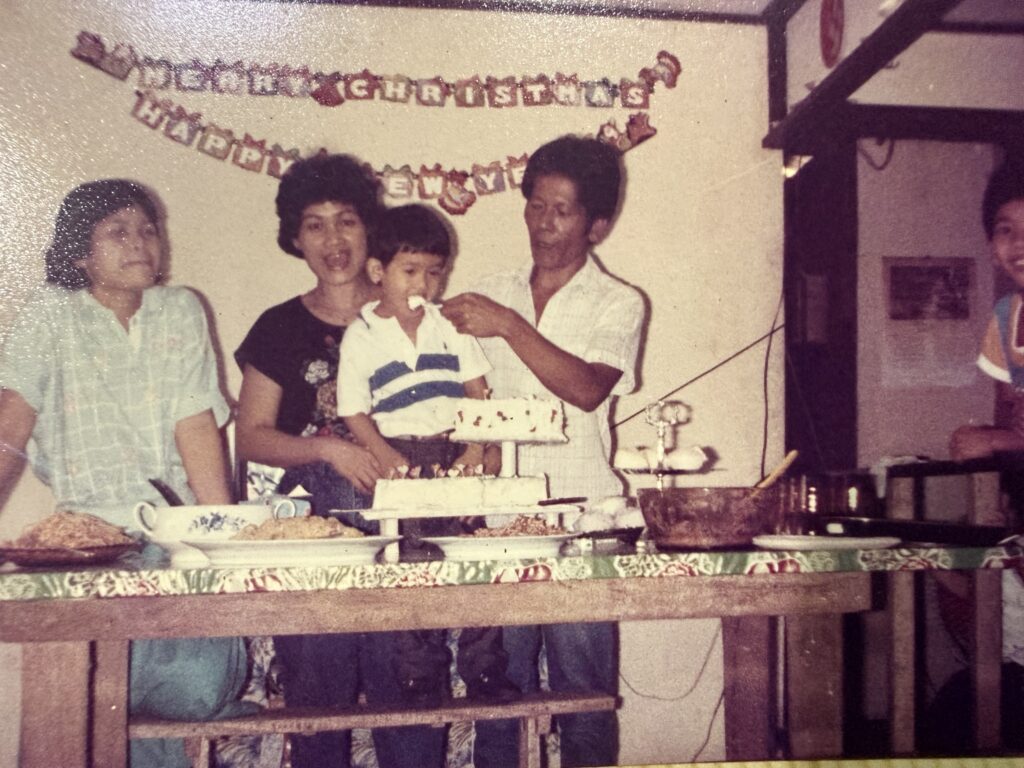
He was born and raised in Bacolod City, Negros Occidental, and grew up in the district of Magsungay. As an only child, the weight of building a future rested on him early, and work found him young. During grade school, he washed jeepneys. By high school, he was selling carry bags and working as a porter, carrying crates of fish from the pier to suppliers between classes.
“At that age, I was not thinking about careers, titles or where I would eventually end up,” he shares with TGFM. “I was simply doing what needed to be done.”
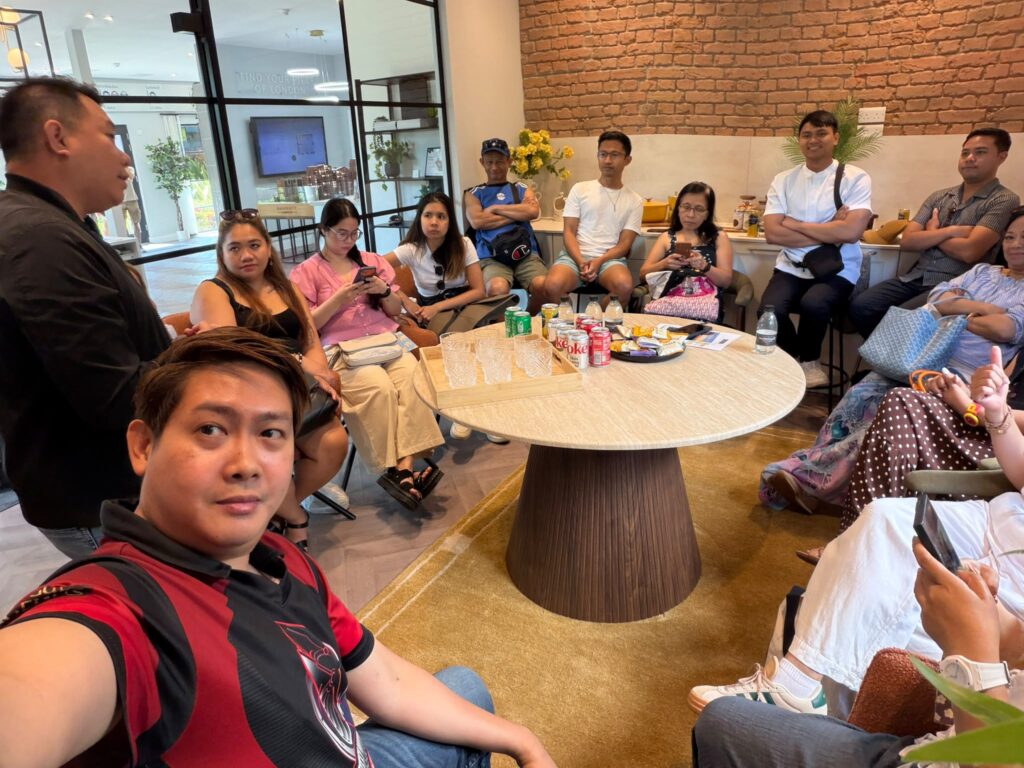
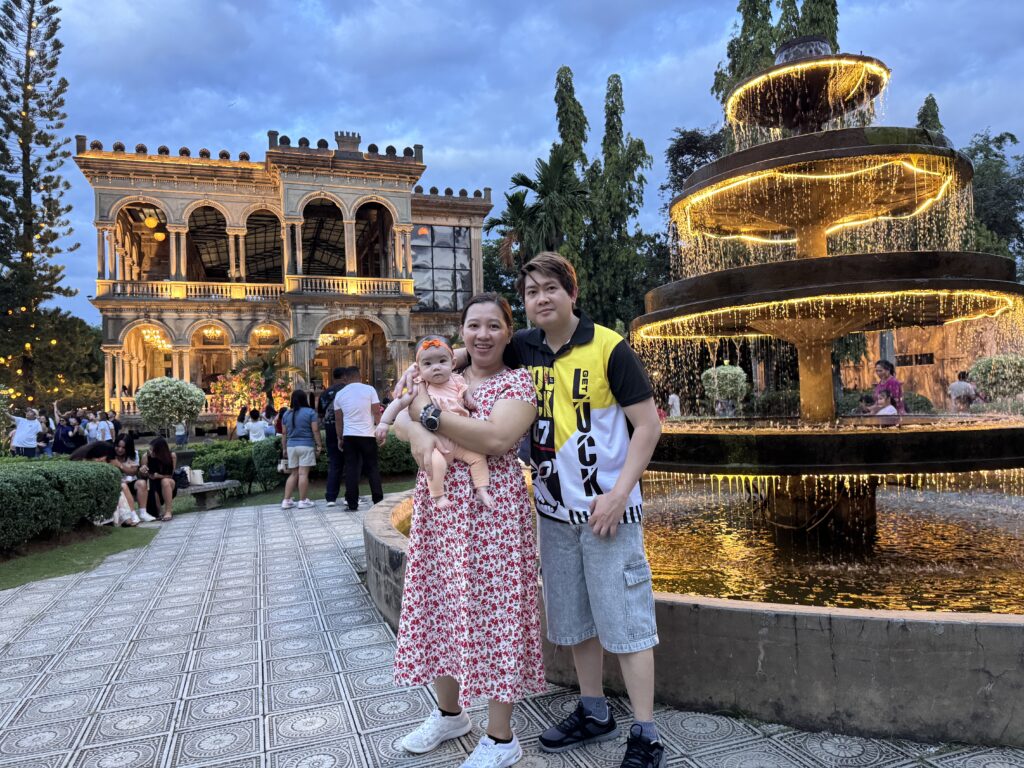
Those years lodged something in him that no promotion has dislodged. “Those experiences taught me that there is dignity in honest work,” he says. “They also made me appreciate how difficult it can be to earn even a small amount of money.” It’s a lesson he still carries, and one he now presses on other Filipinos abroad: never be ashamed of honest labor.
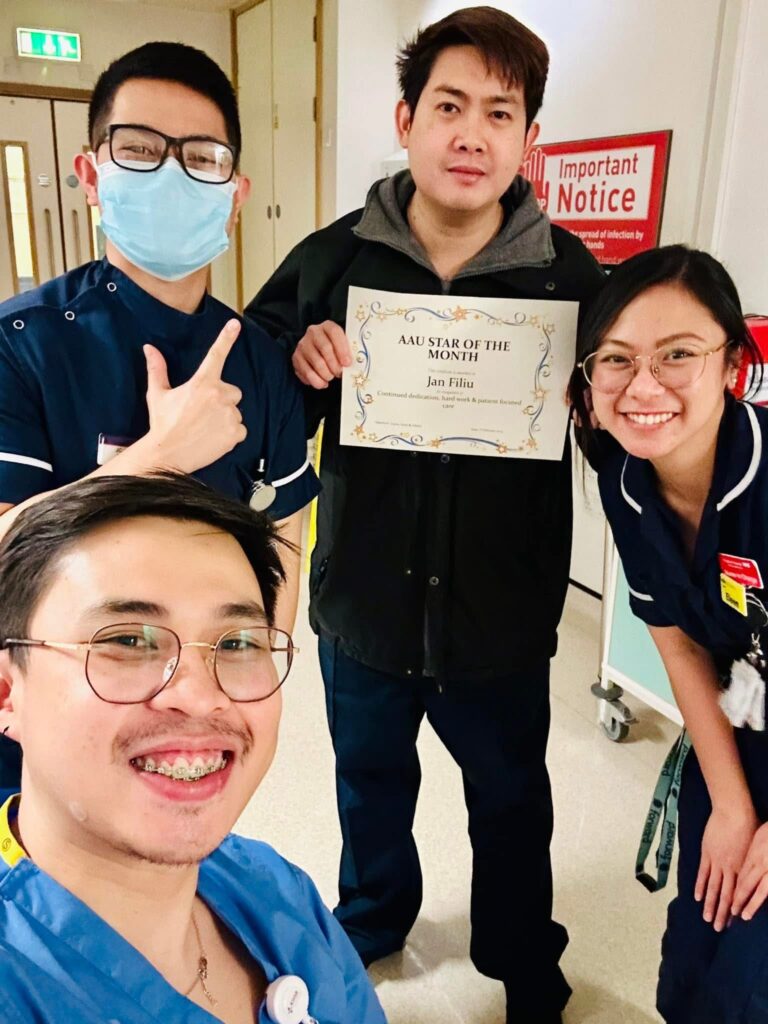
When he arrived in the UK as an international student, the ground shifted but the pattern held. He worked as a cleaner, caregiver, gardener, laundry worker, and window cleaner. He delivered leaflets door to door. Each job was different; each one kept him afloat while he studied.
The uncertainty no one sees
There is a version of the immigrant success story that skips the middle — the part where nothing is guaranteed and the future feels like a door that might not open. Jan lived in that middle for a long time.
He came on a student visa, and with it came a question he couldn’t answer. “There was a lot of uncertainty because I did not know whether I would eventually be able to stay in the country,” he says. He was studying, supporting himself, and taking on almost any honest work he could find, all while the larger question hovered.
Some days were simply exhausting. Others were heavier than that. “You begin asking yourself questions such as: Will I be able to stay? Will all of this effort lead somewhere? Am I making the right decisions?” he says. Being an only child sharpened the ache — he was trying to construct a life abroad while his mind kept traveling home to the family depending on him.
What steadied him wasn’t a sudden break or a lucky turn. It was a decision about where to aim his attention. “What helped me was focusing on the things I could actually control. I could work. I could study. I could learn. I could try again whenever something did not work out.” His family, he says, remained his motivation through all of it. And slowly he learned a discipline that would outlast the visa worries: “Difficult situations become more manageable when you stop expecting immediate results and simply concentrate on taking the next step.”

Turning the table around
Somewhere in that accumulation of small steps, the man who once needed guidance became the one who gives it. The former porter and window cleaner now leads a property firm, managing the business, building relationships across the sector, and walking clients through a process most of them find bewildering.
That, it turns out, is the part he loves most. “Buying a home is one of the biggest decisions a person or family can make,” he says. Many clients arrive unsure about deposits, mortgages, affordability, or simply where to begin. Helping them move from confusion to confidence is, for him, the real reward. “It is seeing someone realise that a goal they once thought was impossible may actually be worth exploring.”
He feels this most keenly with his own community. Many Filipinos work punishingly hard abroad, he points out, yet property ownership and long-term financial planning can still feel like foreign territory. “Many of us work extremely hard abroad, yet property and long-term financial planning can still feel unfamiliar,” he says — and closing that gap has become something closer to a mission than a job.
His years of survival work left him with a conviction he states plainly: “They taught me not to judge people by their occupation. You never really know what someone is working towards, what sacrifices they are making or what dreams they are carrying quietly.”
What success looks like now
Living overseas, he says, taught him independence, resilience, and adaptability — the hard skills of handling life alone, far from the support system you grew up with. But the deepest thing it gave him was perspective. “Living overseas made me understand that earning money is only one part of the journey,” he says. The years abroad, he warns, pass quickly, and he believes OFWs should try, whenever circumstances allow, to build something lasting from the sacrifices they make.
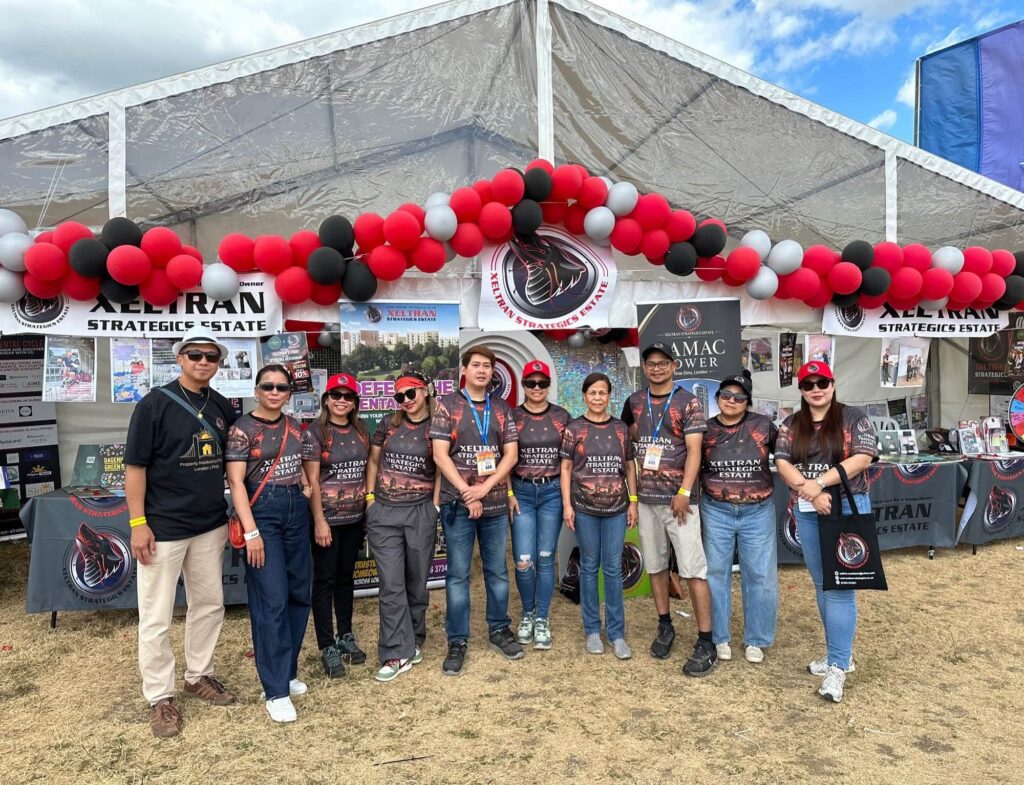
That belief now points toward his future plans. He wants to keep growing Xeltran, but he also wants to contribute more to property and financial education within the Filipino community — encouraging fellow migrants to learn about savings, investments, ownership, and long-term planning. He’s careful not to prescribe. “I do not believe everybody needs to become a business owner or property investor. Everyone’s circumstances are different. What matters is that we become more intentional about what we are building from the years we spend abroad.”
His definition of the word itself has shifted with each chapter. Once, success meant earning enough to survive as a student. Later it meant stability, then building something of his own. “Today, I think success is less about titles and more about having choices, being able to support the people you love and being in a position to help others when you can.”
For the Filipino overseas who is tired tonight, doing work they never pictured themselves doing, he offers the perspective that carried him. “Your current situation is only one chapter,” he says. “That does not mean you have failed. Keep learning, keep working honestly and continue preparing for the opportunities that may come later. Sometimes the biggest changes in life begin with very small steps.”
He would know. His started at a carwash.
