




More than a million visitors passed through Davao City between January and June 2026, the strongest half-year showing the destination has posted since travel collapsed during the pandemic. The Davao City Tourism Operations Office (CTOO) logged 1,045,854 arrivals for the period, a rise of 11.70 percent over the same six months in 2025, drawn from hotel check-in records across the city.

Domestic travelers accounted for the overwhelming share of that total at 989,241, with foreign guests numbering 44,424 and overseas Filipinos adding another 12,189.
Broken down by month, March led the first half with 186,131 arrivals, trailed closely by June at 184,069 and February at 173,344. The opening quarter proved especially strong: January arrivals jumped 18.07 percent year-on-year, February climbed 22.06 percent, and March added 17.38 percent. Momentum eased afterward but never turned negative, with April up 6.37 percent, May 3.38 percent, and June 5.55 percent.
That April figure carried particular weight for tourism officials. CTOO Officer-in-Charge Willenito Tormis had warned earlier in the year that arrivals might slip because of an oil crisis tied to Middle East conflict, yet the month still closed with a 6.37 percent gain.

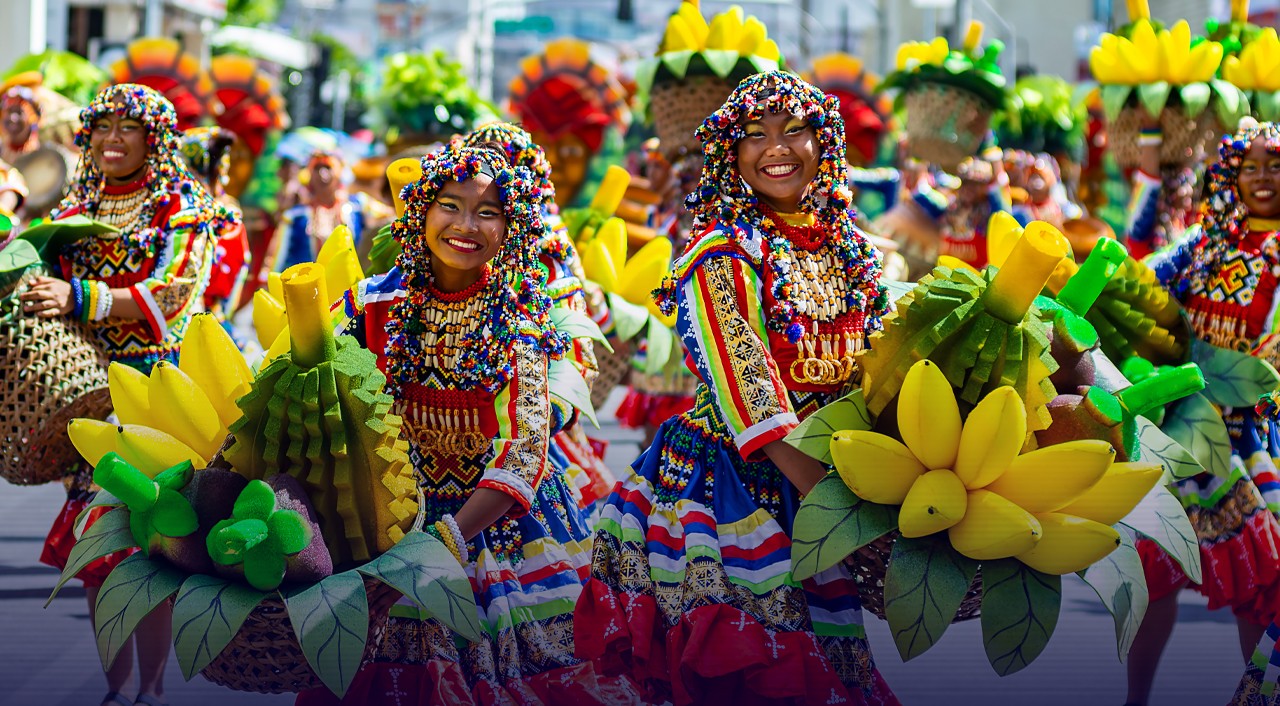
Tormis has credited much of the sustained growth to the expanding roster of meetings, incentives, conferences, and exhibitions (Mice) hosted in the city, alongside its calendar of festivals and marquee events. Those gatherings have produced some of the year’s biggest crowds. The City Government of Davao counted 206,506 visitors at Kadayawan Festival 2025 and 192,969 at Pasko Fiesta 2025.
The half-year haul extends a first-quarter run of 525,342 visitors, which Tormis pegged at 19 percent above the first three months of 2025. It also follows a full-year 2025 total that pushed beyond 2 million arrivals, a milestone the city government has linked to broader efforts to widen Davao’s appeal past its familiar attractions.
City officials have been careful to frame the numbers as more than a hotel-industry story. The CTOO points to restaurants, tour operators, transport providers, retailers, and other small enterprises as beneficiaries of visitor spending, and Tormis has repeatedly stressed that tourism gains should reach local businesses. Toward that end, the office has rolled out fresh tourism circuits, tours, and products meant to give smaller establishments more exposure.
Looking ahead, planners have been developing a digital edition of the Davao Tourist Passport, built with support from Japan’s Ministry of Land, Infrastructure, Transport and Tourism through the Smart JAMP program, one of several initiatives aimed at drawing repeat visits during a second half that traditionally fills with major events.
