




A measure that would place the entire national budget on a tamper-proof digital ledger has quietly slipped down the government’s legislative agenda, and Senator Paolo Benigno “Bam” Aquino IV is pressing officials to explain why the reform lost ground precisely when public frustration over graft is peaking.

At the heart of the dispute is the Citizen Access and Disclosure of Expenditures for National Accountability Act, commonly called the CADENA Act or the Blockchain the Budget Bill. The legislation would compel every government agency to post and continually update spending records—contracts, project costs, bills of materials, and procurement papers—on a centralized digital budget platform. That platform, under the Senate-approved version, is meant to keep records traceable, verifiable, and resistant to tampering, with administrative and criminal penalties awaiting officials who withhold documents or upload falsified data.
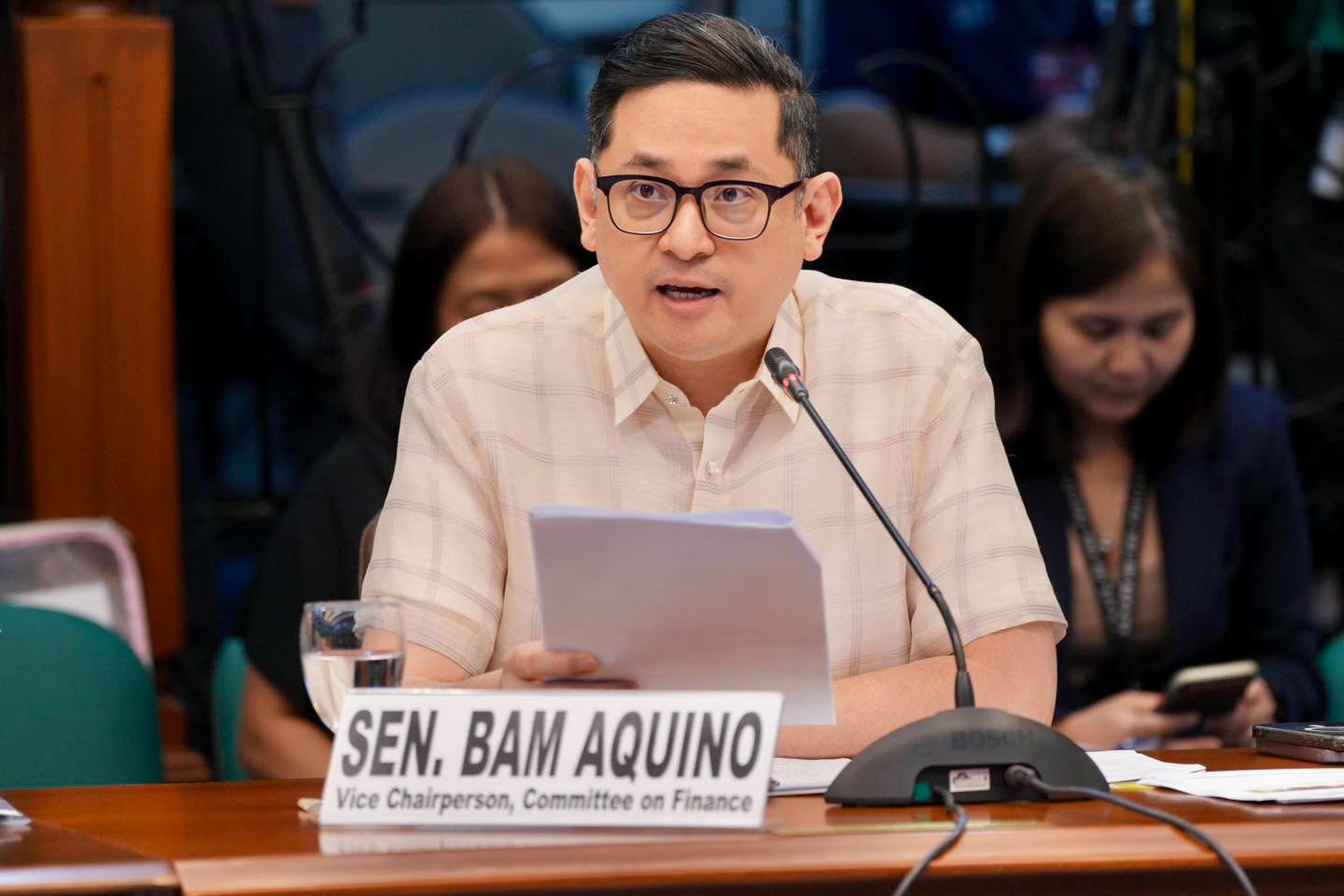
Aquino raised the matter during a Senate budget briefing, directing his questions at Department of Economy, Planning, and Development Secretary Arsenio Balisacan. As BusinessWorld and the Manila Times reported, the bill had ranked third among Legislative-Executive Development Advisory Council priorities in 2025 but now sits at 41st on the council’s longer roster after leaders trimmed the list of measures to be pushed over the coming year.
“Nagtataka po ako, bakit parang hindi natin ‘to minamadali? Nung kasagsagan nung flood control scandal, we all agreed we would push for this, and push for full transparency,” the senator said.

He argued that the measure has broad backing from groups inside and outside government, and that its power to curb misuse of funds is widely recognized. Balisacan, according to the Manila Times, told the hearing that CADENA had not been dropped from the priority list entirely—leaders had simply shortened the working list to concentrate on bills achievable within 12 months—and committed to raising Aquino’s concern with the council’s leadership.
The senator pushed back on that reasoning, pointing out that the bill has already cleared the Senate on third and final reading, passing 17-0 in December 2025, and has moved through the committee stage in the House of Representatives. He framed the reform as unfinished business that could distinguish the current administration, telling the panel that enacting it would leave a lasting mark for Marcos, the Senate, and Congress.
The exchange unfolds against the backdrop of renewed flooding across Central Luzon and Metro Manila, where anomalous flood control projects—some substandard, some nonexistent—have become a flashpoint for anger over how public money is spent. The South China Morning Post noted that the latest monsoon deluge sharpened scrutiny of the slow-moving investigation, laying bare the distance between the government’s anti-corruption messaging and conditions in communities still battered by extreme weather.
For Aquino, the blockchain system addresses the structural weaknesses that let questionable transactions happen in the first place—making the flow of every peso visible to ordinary citizens, rather than only punishing wrongdoing after the fact.
