



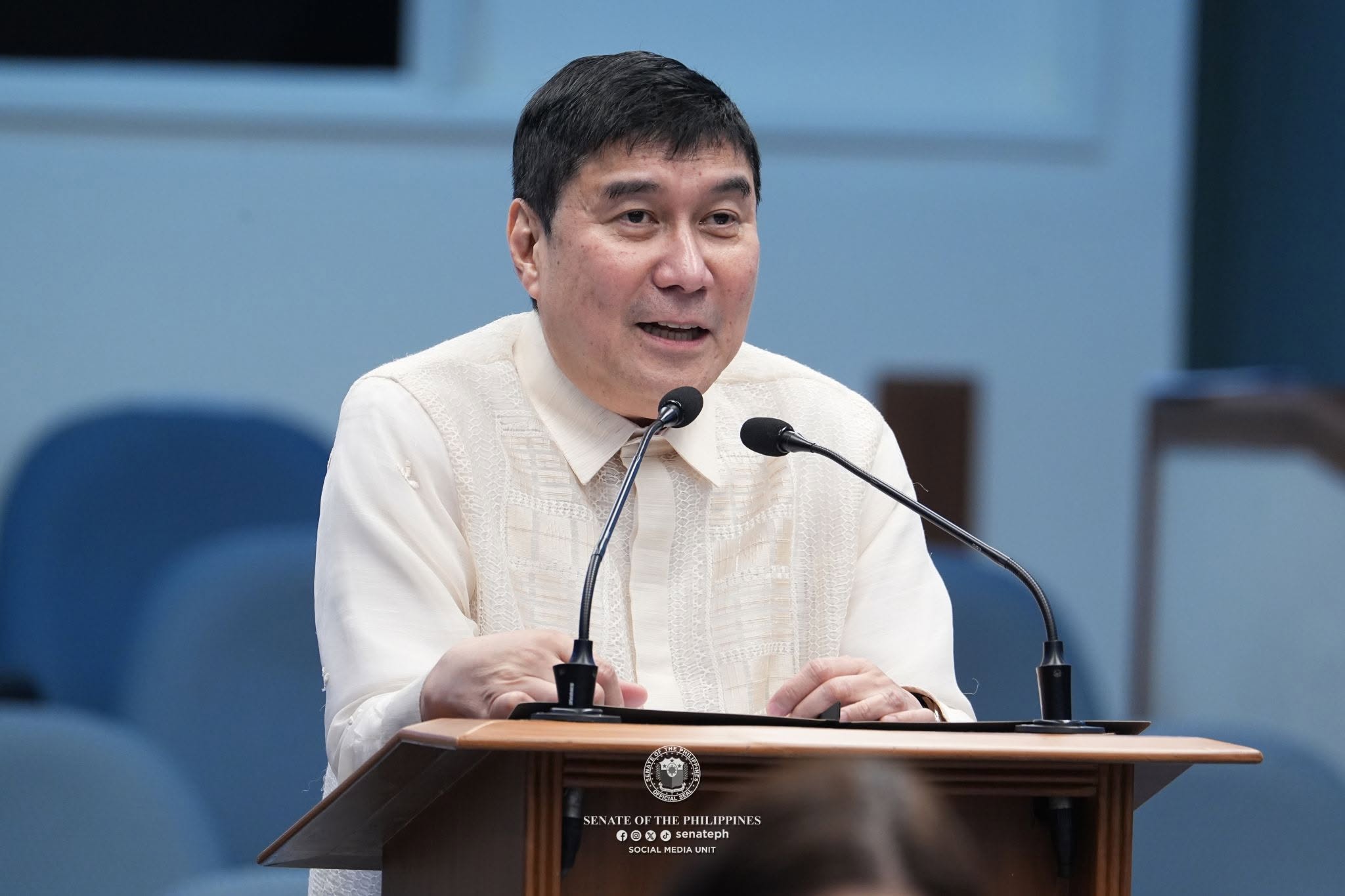

A Senate proposal would require that preparations for an overseas Filipino worker’s homecoming begin half a year before they actually leave their host country, part of a push to fix what its sponsor describes as a broken support system.

Senate Bill 2423, known as the Bagong Balikbayan Act, sets out four routes for workers coming home: schooling, entrepreneurship, employment, and psychosocial and social support services. Sen. Raffy Tulfo, who leads the Senate Committee on Migrant Workers, sponsored the measure Tuesday during plenary and urged his colleagues to approve it without delay.
Tulfo argued that too many workers arrive home in difficult straits. “Some OFWs, despite attaining high positions and acquiring specialized skills abroad, end up either jobless or underemployed when they return because of poor job matching. Others come home with psychological trauma from negative experiences abroad, leaving them unable to work,” he said. He also pointed to returnees losing their savings, describing a pattern in which workers are drawn into bad investments and deceptive business deals.

The senator characterized the country’s present setup as reactive rather than restorative. “Today, our National Reintegration Network merely acts like an ’emergency room’ rather than a recovery center. There are still many returning OFWs whose savings are being depleted because of bad investments and deceptive business deals,” Tulfo said.
According to Tulfo, the legislation would give permanent legal footing and dedicated funding to programs the Department of Migrant Workers already runs alongside partner agencies, locking in the approaches that have delivered results so they continue over time.
The bill would build a reintegration framework described as comprehensive, integrated, and sustainable for returning workers. Tulfo acknowledged that the DMW, the Overseas Workers Welfare Administration, and other agencies have taken steps under Republic Act 11641 to carry out a national reintegration program, but he maintained that the system as it stands is fragmented, with gaps that have yet to be addressed.
