




Beaches along Oman’s Ras Madrakah coastline have been fouled by crude that escaped a tanker stranded offshore, the country’s environment authority announced Wednesday through the Oman News Agency (ONA), which described pollution confirmed by that day’s monitoring at several stretches of shore.

Seasonal monsoon winds are now the main barrier to reaching the wreck. A spokesperson for the UN’s International Maritime Organization told AFP the agency was “closely monitoring” the leak from the Caroline Bezengi and that “the seasonal monsoon has limited access to the vessel and delayed salvage operations.” The same official placed the tanker roughly 22 nautical miles off the town of Sharbithat, with crude moving northeast of Al-Qibliyyah island and portions of it already touching the mainland.
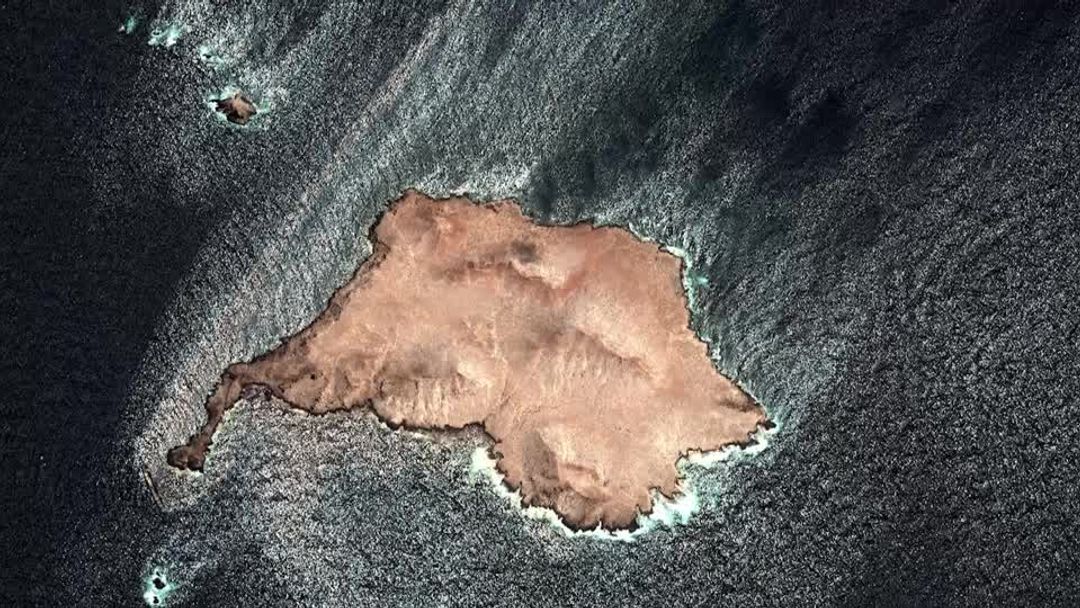
The affected town of Ras Madrakah lies well removed from the leak site, sitting more than 200 kilometers from Al-Qibliyyah. That island falls inside an Omani marine reserve whose waters shelter Arabian Sea humpback whales and Socotra cormorants, raising the stakes of any contamination nearby.
ONA warned Wednesday that up to 40 kilometers of shoreline in the Ras Madrakah zone could take on pollution, and that between 10 and 20 kilometers of Masirah Island’s southern beaches might be soiled within hours.

The scale had already drawn official concern earlier in the week. Omani authorities said Monday they were trying to contain a slick that the country’s environment agency estimated at about 390 square kilometers, gathered near the Hallaniyat archipelago off the south coast. A marine reserve set up there last year protects habitats used by rare sea turtles and other marine life.
As for how the crude began escaping, Omani officials have not settled on a cause. British maritime security firm Vanguard told AFP last week that explosions struck the tanker in early June off Yemen, letting water flood several compartments. The vessel had first signaled trouble off the Yemeni coast on June 8 before grounding off Oman on June 30. Greenpeace and PAX, both advocacy organizations, warned AFP the incident was close to becoming an “environmental disaster,” noting the ship held roughly one million barrels of crude. The tanker is thought to belong to Russia’s so-called shadow fleet — a collection of aging ships used to skirt Western sanctions that has drawn scrutiny over insurance, upkeep, and safety.
A separate contamination episode was unfolding to the north. Iranian media reported Wednesday that a slick in the Strait of Hormuz had come ashore on Qeshm island, hitting beaches and a mangrove forest flagged as ecologically fragile. State agency IRNA said Qeshm’s southern coast and parts of nearby Hengam island were affected. The monitoring site TankerTrackers linked that spill to an Iranian strike on the bulk carrier Minoan Pioneer in Omani waters on August 3, saying the oil “then drifted across the strait over to Iran.”
Iran’s foreign ministry framed the damage as a shared responsibility. Spokesman Esmaeil Baqaei said pollution had turned up at three sites and on the water’s surface, attributing it to what appeared to be a foreign bulk carrier. He argued that “Any party that benefits from commercial shipping through the Strait of Hormuz is legally and morally obligated to take action to compensate for and remedy the environmental damage caused to the Persian Gulf and the Gulf of Oman.”
