



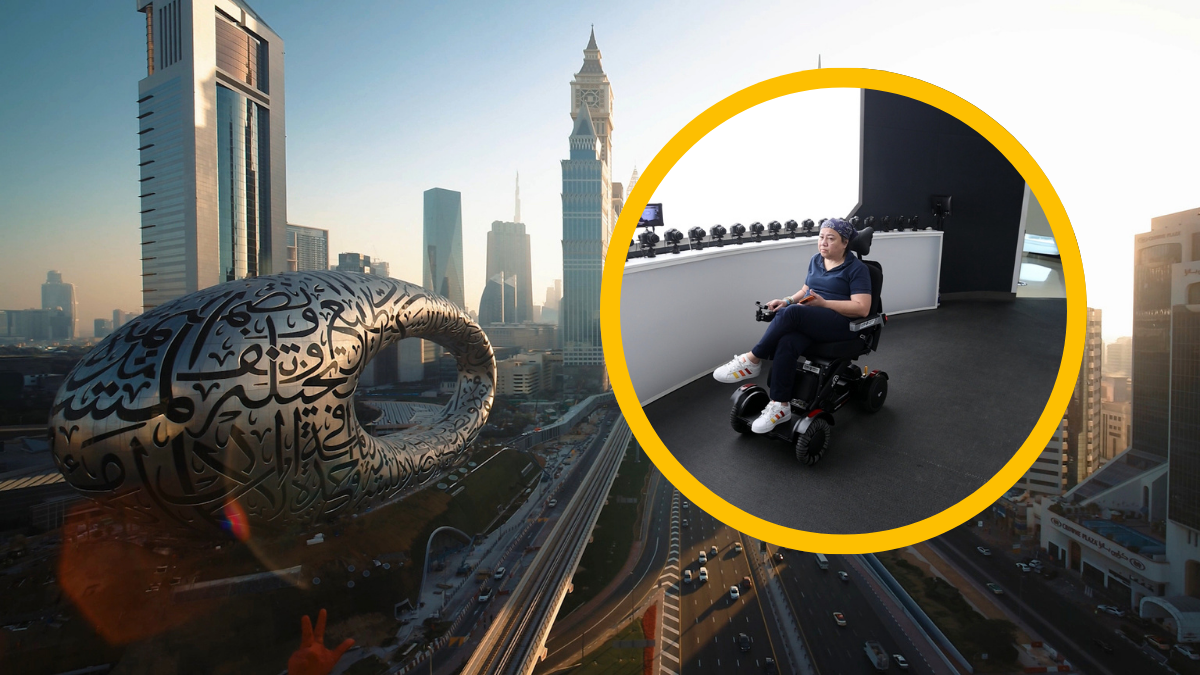

For a wheelchair user, every visit to an unfamiliar place begins with questions. Is there a ramp? Will the lift have enough space? Is the accessible route convenient, or will it take me somewhere around the back?

At Dubai’s Museum of the Future, those questions faded almost as soon as I arrived. For once, each door did not lead to another accessibility problem. It led to another wow.
For this visit, The Determined Palette partnered with Dubai Mobility, and I explored the museum using the Whizzi X Balance. It seemed like the perfect combination: a futuristic museum, a modern wheelchair, and me trying very hard not to drive as if I had already mastered space travel.
Even before entering, the building was already telling a story. Designed by Killa Design, its silver circular form rises above a green mound, with an open space at its centre. The mound represents Earth, the building represents humanity, and the void symbolises the future that is still unknown.
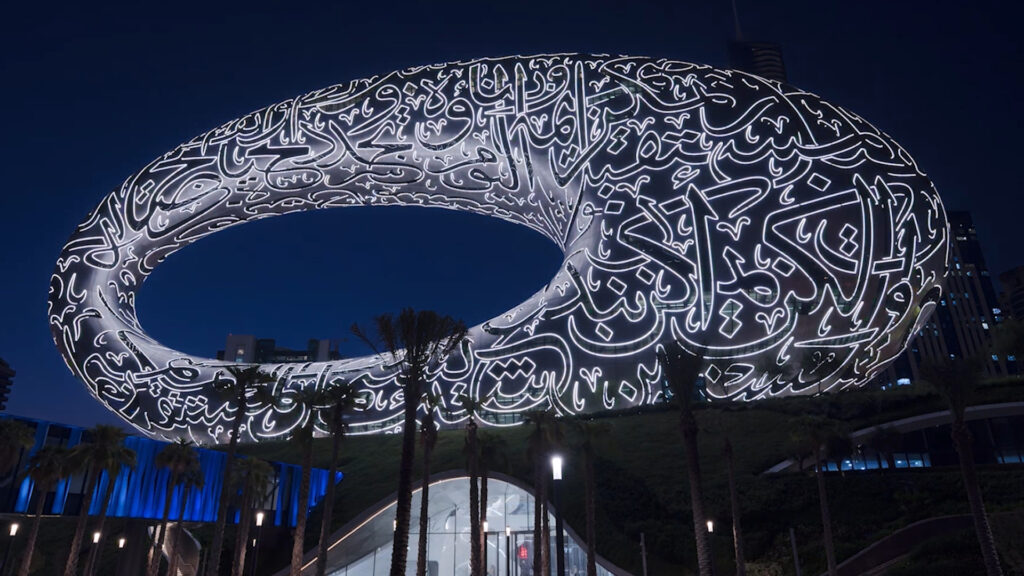
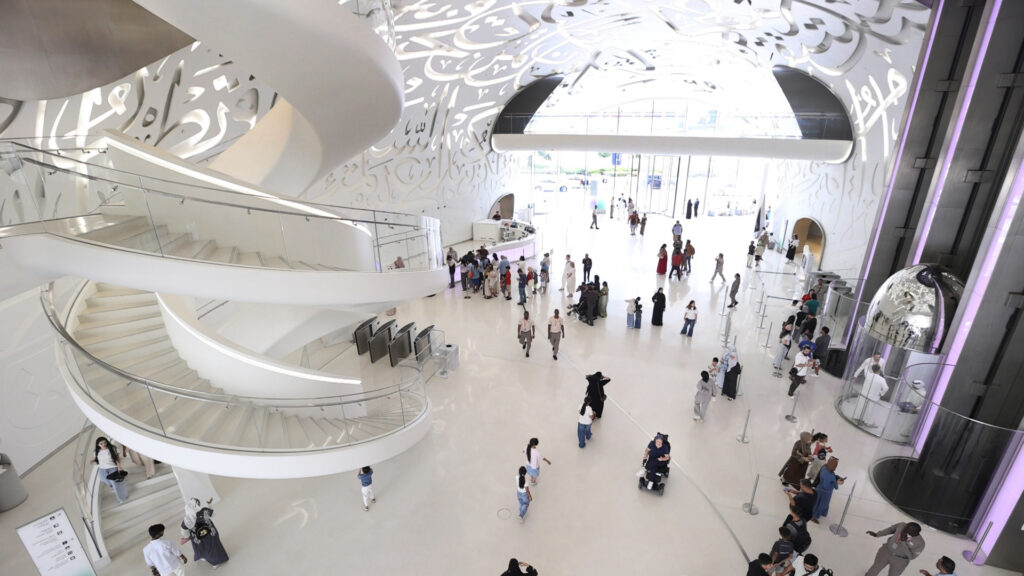
Across its exterior are words by His Highness Sheikh Mohammed bin Rashid Al Maktoum, transformed into Arabic calligraphy by Emirati artist Mattar bin Lahej. From inside, sunlight passes through the calligraphy and creates patterns across the vast white interior. It is architecture, language and light working together.
But beautiful design means little if some people cannot experience it.
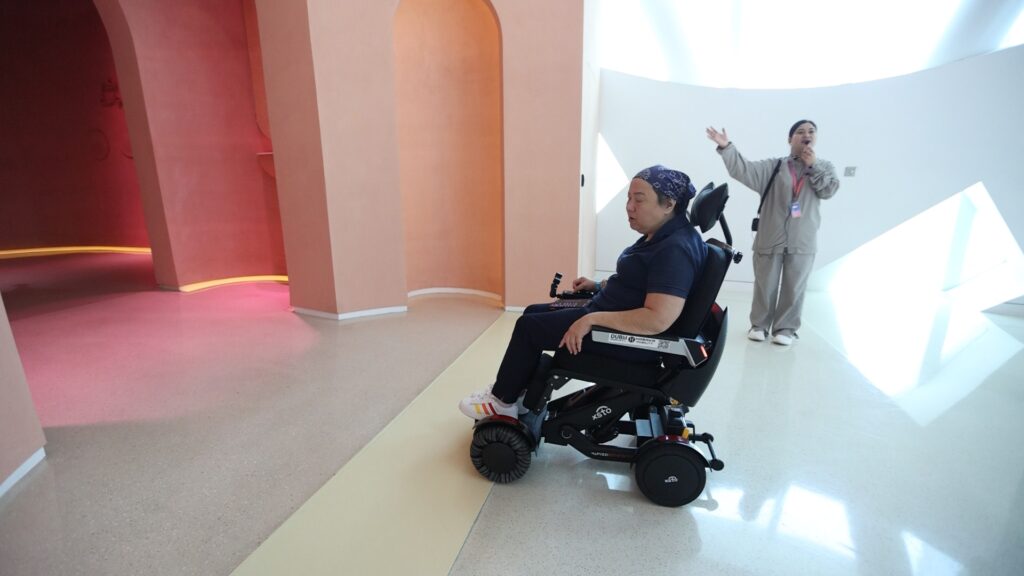
What impressed me most was how naturally accessibility had been included. The pathways were spacious, the lifts accommodated my wheelchair comfortably, and I could move between the exhibits without constantly searching for another route. Accessible restrooms were available, and the staff were exceptionally friendly.
They offered assistance before I needed to ask, but they never made me feel helpless. That difference matters. Their attentiveness felt respectful, not rehearsed. I could genuinely sense that People of Determination were a priority, not an afterthought added to a checklist.
The staff welcomed me immediately, and I rolled into the Falcon Space Capsule, the museum’s spaceship experience that began our simulated journey to O.S.S. Hope. The orbital space station is set in 2071, around 600 kilometres above Earth.
As Dubai appeared to fall away and space opened around us, I honestly felt as though I were travelling inside a spacecraft. Of course, I have never been inside a real one, so I had absolutely nothing to compare it with. Still, it convinced me.
At O.S.S. Hope, visitors explore how people might one day live and work in space while using the Moon’s resources to produce clean energy for Earth. The experience felt like entering a film set, except I was not watching from the side. My wheelchair and I were right inside the mission.
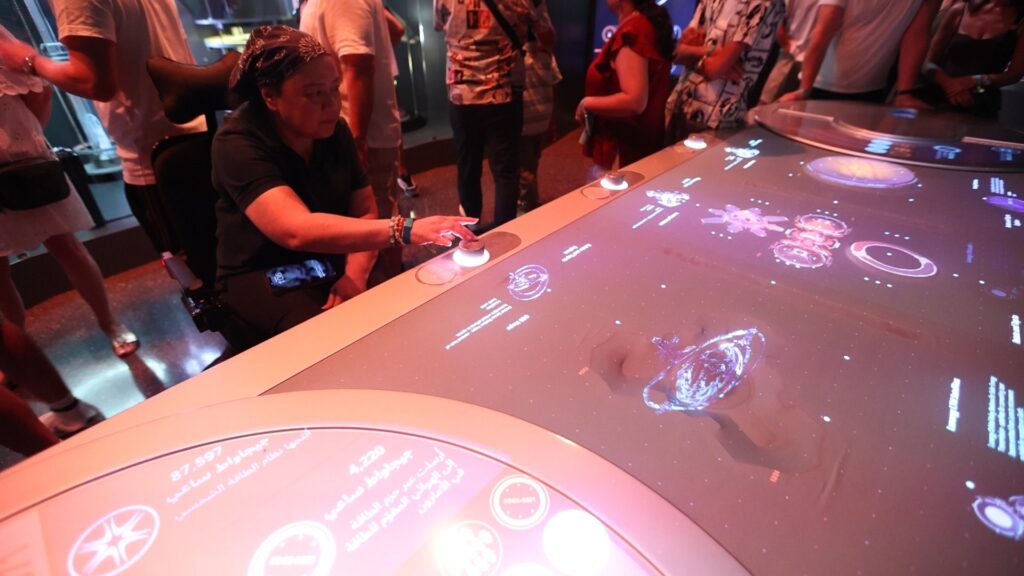
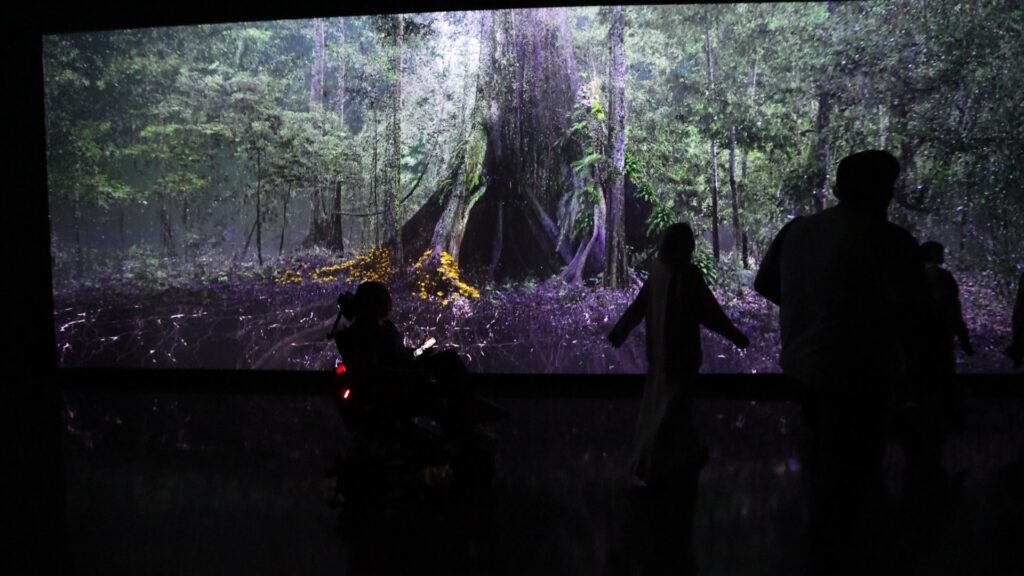
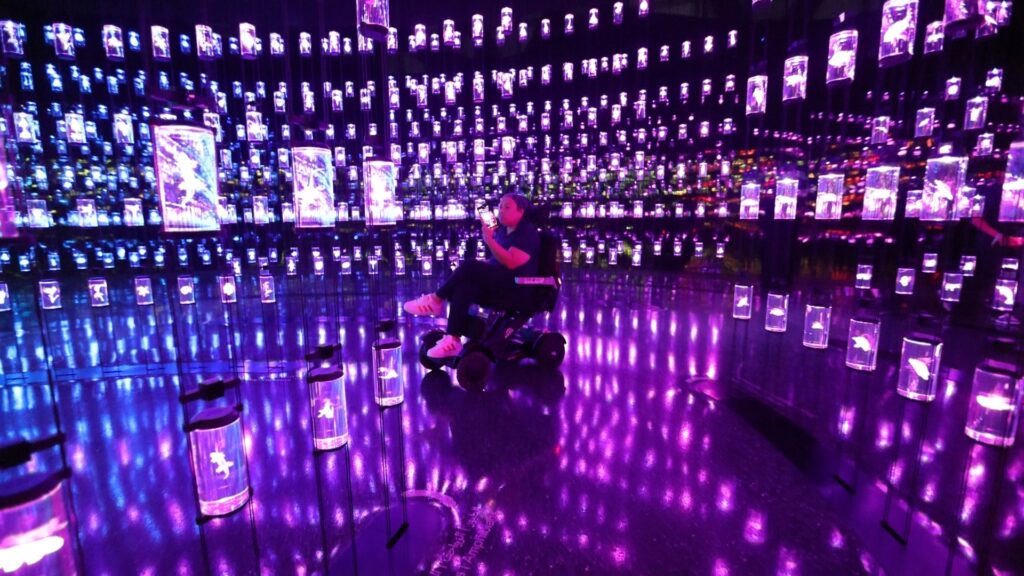
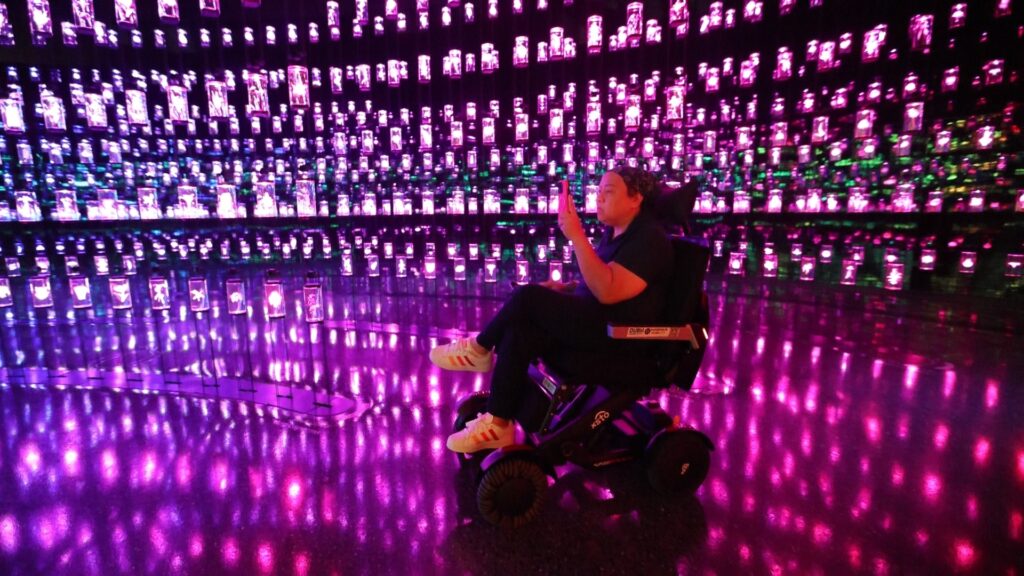
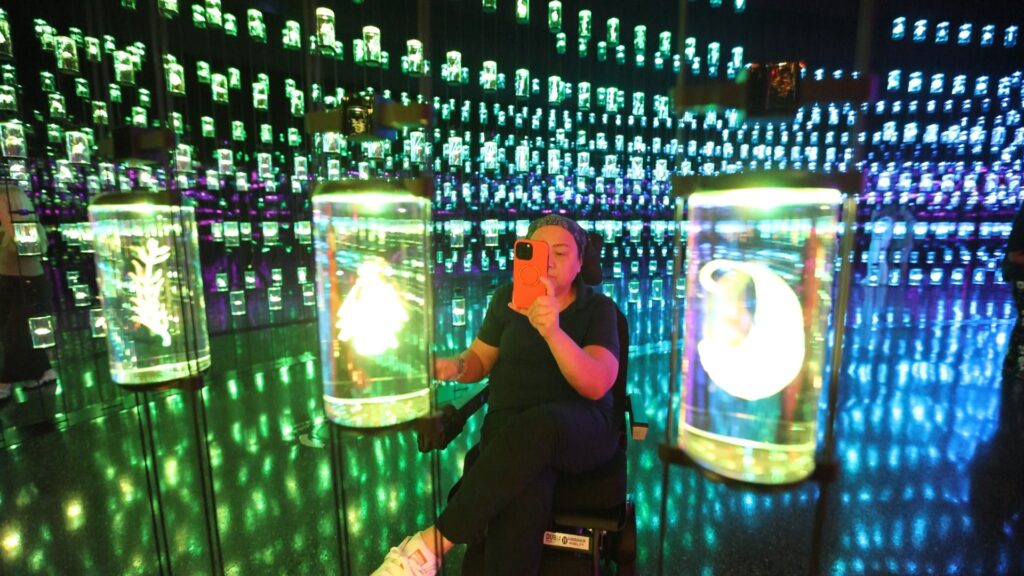
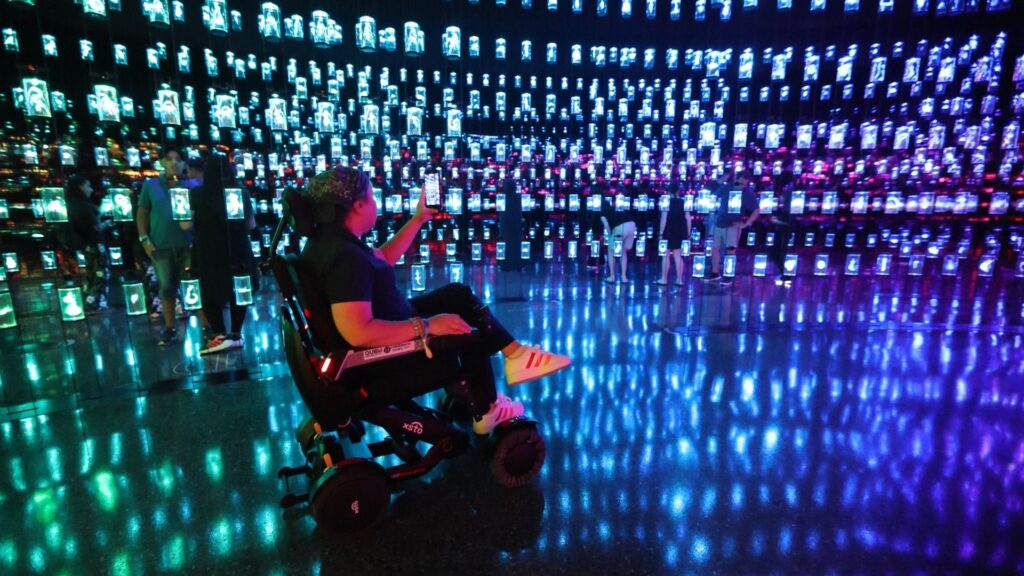
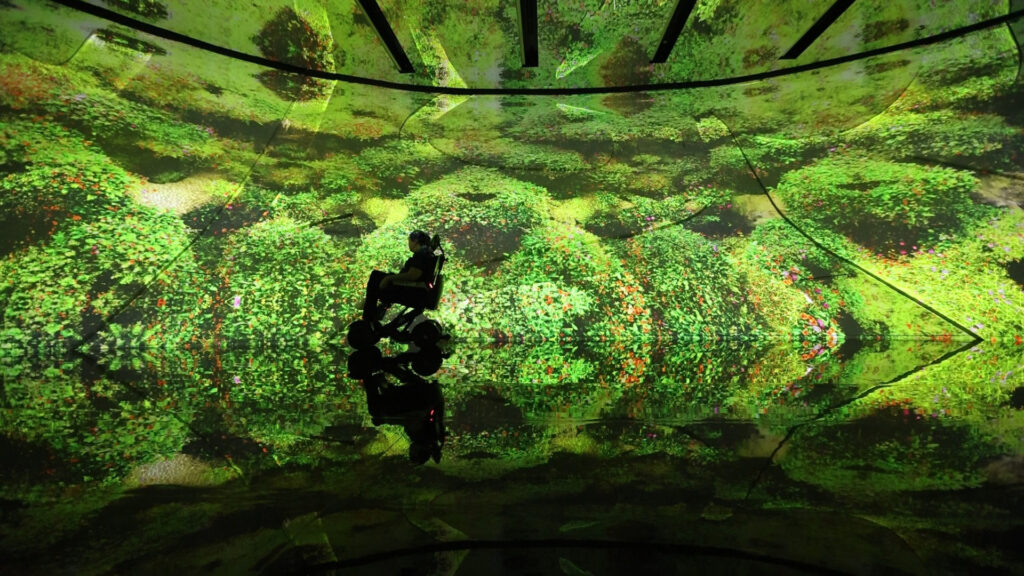
From space, the journey returned to nature at the HEAL Institute. A digital recreation of the Amazon rainforest revealed the connections between plants, animals and their environment. Then came the Library of Life, where thousands of species appeared in illuminated glass forms.
The colours were breathtaking. Blues, greens, pinks and golds glowed across the darkened room until it felt as though Earth’s biodiversity had been placed inside a giant jewel box. It was beautiful, but it also carried a serious message about protecting the species and ecosystems we may lose.
This was where one feature of the Whizzi X Balance became particularly useful. Its seat could be raised or lowered, bringing me closer to eye level with the displays and the people around me.
In a museum where there was something to discover above, below and on every side, adjusting my viewing height gave me a better look without needing someone else to explain what I could not see.
It was a simple feature, but independence is often found in simple things.
After travelling to space and contemplating the future of the planet, I was ready for a little rest.
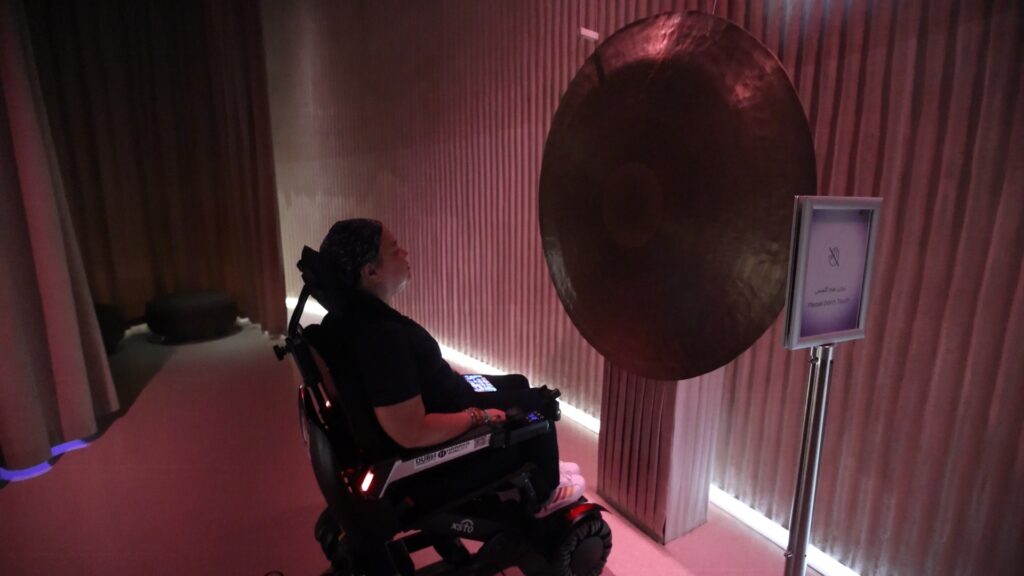
Al Waha, which means “the oasis,” was exactly that. It encouraged visitors to step away from screens and reconnect with their senses. My favourite experience was Grounding Therapy, where deep sound frequencies created vibrations throughout the space.
I stayed there longer than expected. My mind, which usually behaves as if it has 37 tabs open at once, finally became quiet. I did not need to stand, transfer or adjust myself awkwardly to participate. I could remain in my wheelchair, listen and unwind.

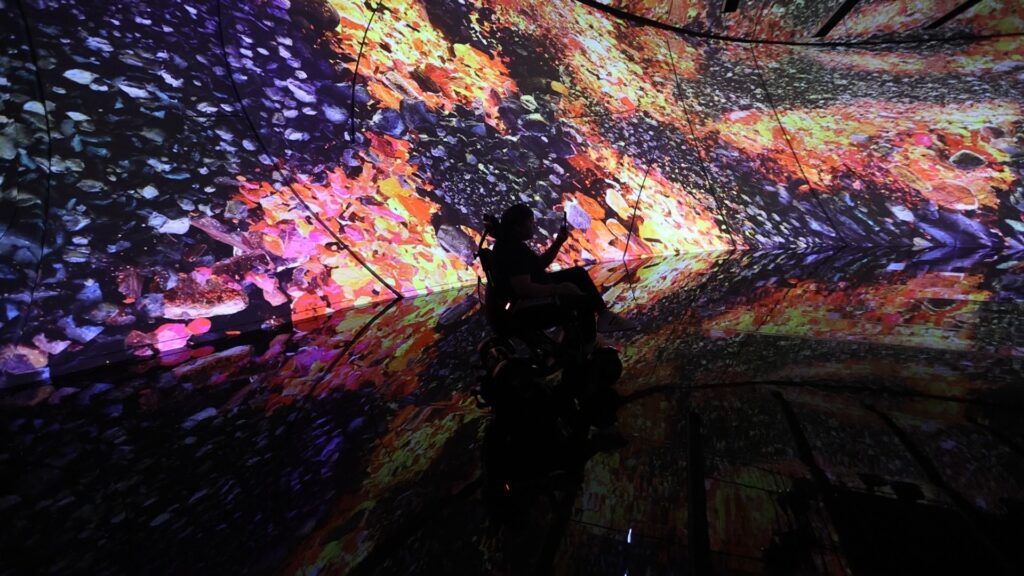
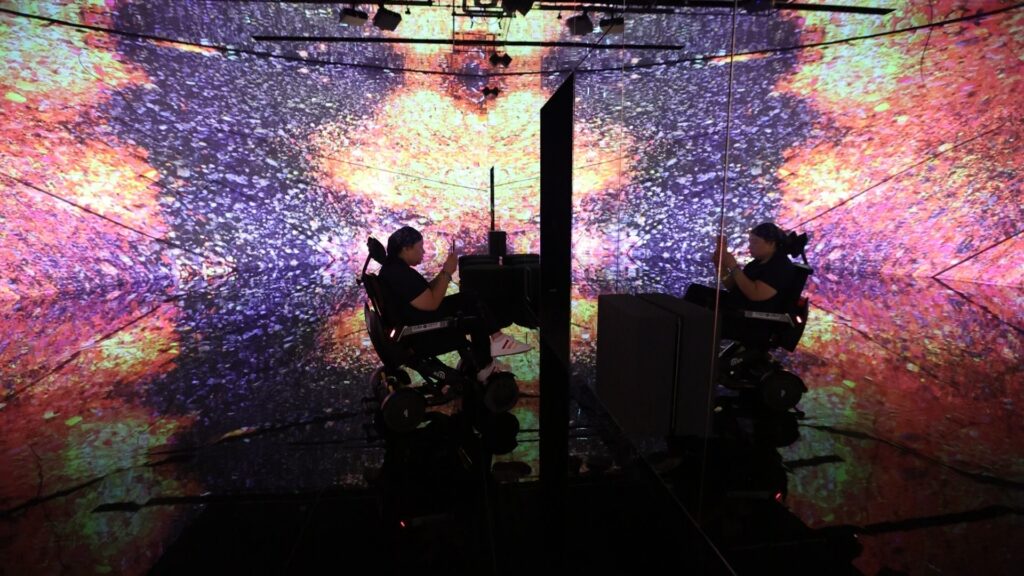
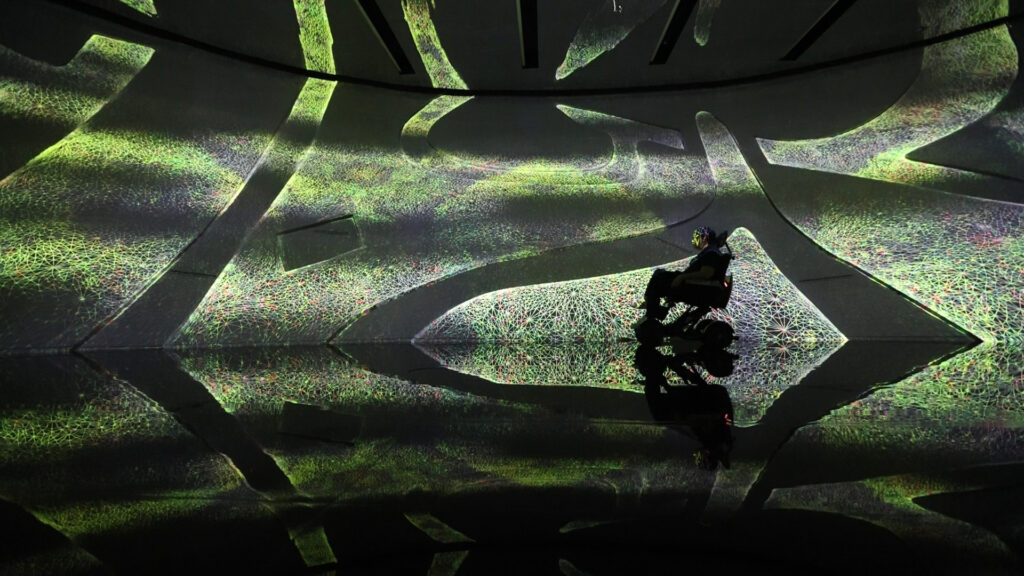
Then came Earth Dreams, an immersive artwork created by Refik Anadol Studio. Colours moved across the room like slow streams of lava, flowing from one shade into another. At times, the shapes folded and changed until they reminded me of Arabic calligraphy.
It was mesmerising and strangely calming. I stopped trying to understand what every image meant and simply allowed it to move around me. Behind the visuals were millions of images of nature, satellite views and weather information, transformed through artificial intelligence into something that seemed almost alive.
Earth Dreams was part of Tomorrow Today, a floor filled with innovations showing how people are already responding to challenges involving health, transport, the environment and everyday life. This was where the future stopped feeling like science fiction and started looking like something already being tested and built.
This was also where I found Ameca, the museum’s AI powered humanoid. With her lifelike facial expressions and ability to hold a conversation, it was easy to understand why so many visitors were waiting to meet her.
I wanted to speak with her too, but the queue was long. I knew the staff would probably have allowed me to go ahead as a Person of Determination, and I appreciated knowing that priority assistance was available if I needed it.
But I was comfortable waiting for my turn. Everyone else had been patiently waiting, and I did not feel the need to go ahead simply because I was using a wheelchair.
Accessibility, for me, means having the same opportunity to take part. It does not always mean going first.
Besides, even the future sometimes comes with a queue.
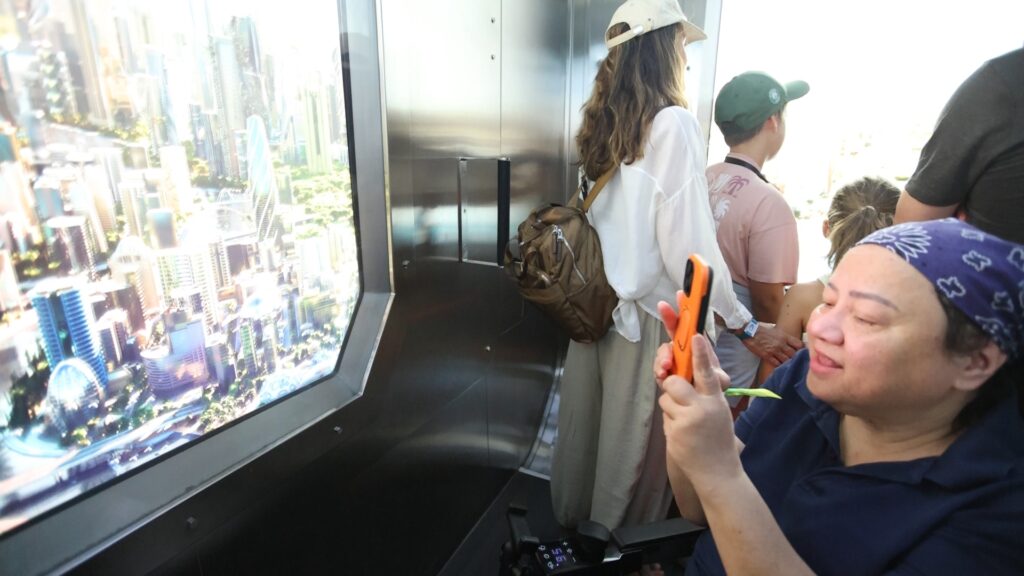
From there, I headed to the Observation Deck, an open air space set within the building’s central void. An accessible lift was available for People of Determination, so I could reach the deck comfortably without dealing with steps. From there, I could see the museum’s sweeping silver curve and its calligraphy from an entirely different angle.
It was also boiling hot.
Apparently, the future has many solutions, but air conditioning the entire Dubai sky is not one of them. I stayed anyway because I had to experience the view. A photojournalist will endure many things for a good frame, including being lightly grilled by the Dubai sun.
Future Heroes, created for children, brought a playful energy to the journey through activities encouraging imagination, teamwork and problem solving. I resisted the temptation to join the children and prove that I, too, was ready to save the future.
Of course, no museum visit is complete without the souvenir shop. It carried calligraphy inspired gifts, O.S.S. Hope keepsakes, books, toys and collectibles connected to the different exhibits. After successfully navigating the entire museum, the only obstacle left was controlling my shopping.
The Museum of the Future offers complimentary entry to People of Determination and one accompanying caregiver. Visitors simply need to present valid proof of eligibility at the Customer Service Desk.
More importantly, that welcome continues beyond the ticket counter.
I was able to enjoy every moment because I did not have to spend every moment worrying about access. That is what thoughtful accessibility does. It does not become the main attraction. It gives you the freedom to experience the attraction.
The Museum of the Future showed me many possibilities for 2071. But the future I appreciated most was already there: a place where I could explore with independence, curiosity and joy.
When access is part of the original design, you do not feel accommodated. You simply feel included.
And perhaps that is one of the most futuristic ideas of all.
