



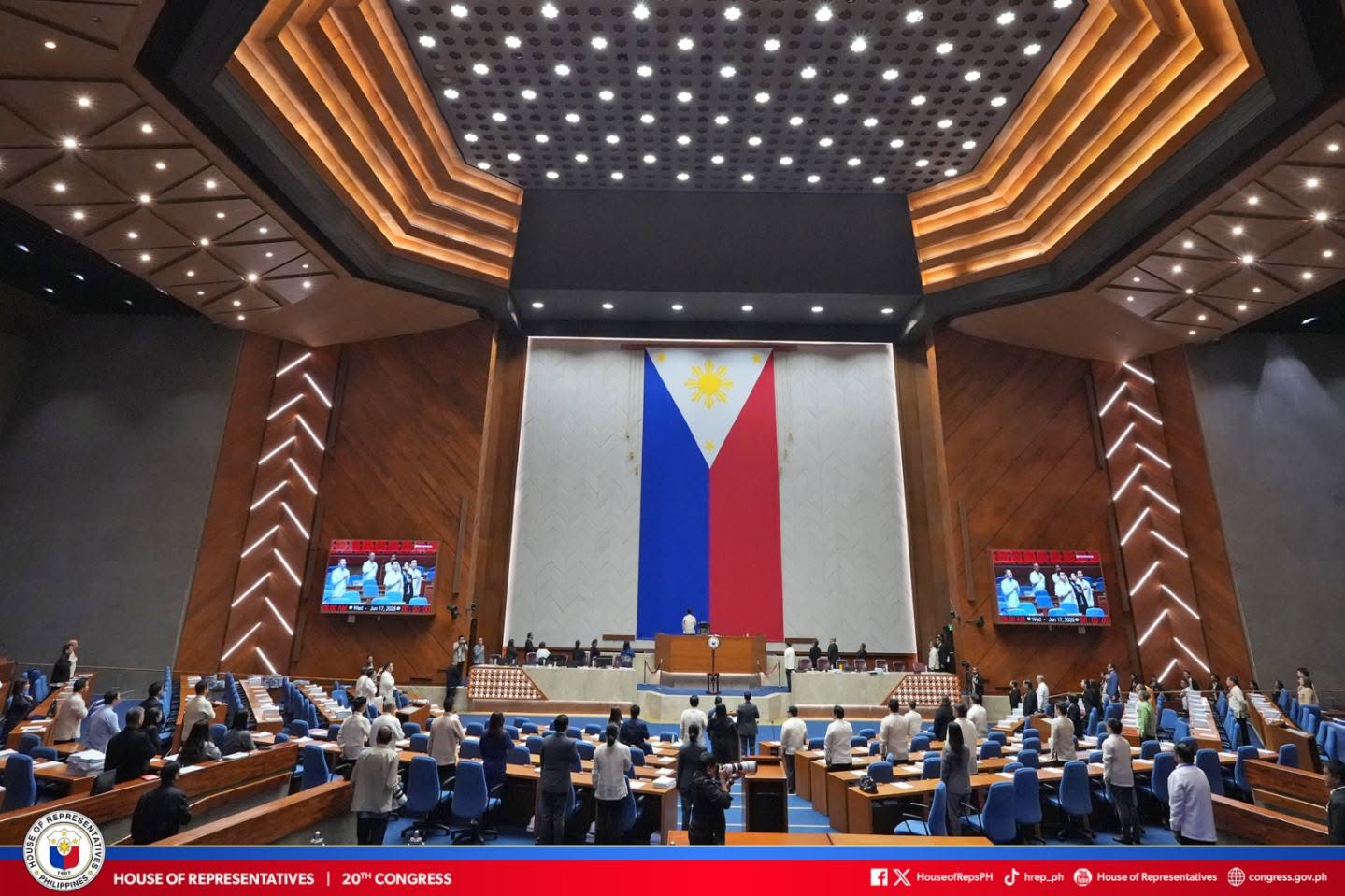

Public backlash greeted the House of Representatives after it gave final approval to a measure that would set aside the fourth Thursday of every November as National Thanksgiving Day — the same calendar slot the United States uses for its own Thanksgiving.

Lawmakers passed House Bill No. 7613 on third and final reading with a 206-0 vote, with none opposing the declaration. The proposal designates a fixed annual date for the observance, mirroring the American schedule established in the 1940s.
Reaction online was swift and largely hostile. Critics questioned why a new holiday was moving through the chamber while measures they consider more pressing — among them the SOGIE equality bill, an anti-political dynasty bill, and a proposal to waive bank secrecy — remain stalled. Some commenters framed the timing as evidence of misplaced legislative priorities, arguing that the House was borrowing an American tradition rather than tackling domestic concerns.

The unanimous tally reflected how the measure had been positioned within the chamber’s agenda. House Majority Leader Sandro Marcos had earlier flagged the Thanksgiving proposal, alongside a cooperative reform bill, as one of two measures teed up for final passage as members returned from break, part of what leadership described as sustained legislative output. The House, by that point, had sent more than 160 measures to the Senate and cleared 26 of 52 priority items identified by the Legislative-Executive Development Advisory Council, including the BARMM election reset and the Right to Information Act.
The idea of a Philippine Thanksgiving is not new. The country marked the occasion as a public holiday on the American date while it was a US colony from 1901 to 1935, and President Manuel L. Quezon carried the practice forward after the Commonwealth government took shape in November 1935. A separate, homegrown version existed decades later: from 1973 to 1985, the Marcos government observed National Thanksgiving Day every September 21, a date tied to the declaration of martial law. That observance ended after the 1986 EDSA revolution.
The measure still requires Senate concurrence before it can advance toward enactment, meaning the fourth-Thursday declaration remains a proposal rather than law for now.
