





Fewer than 200 people live in the Alaska Native village where a Filipino teacher now spends his days, thousands of miles from the classrooms he once thought he would never leave. He had built a career on that certainty. For twelve years, Jaz June Misa Ramirez told himself that his place was with his own people, in his own country, teaching the learners he believed needed him most.

Then, in 2024, he boarded a plane to one of the most remote corners of the United States and started over.
“I often say that I didn’t choose teaching, teaching chose me,” he shares with TGFM. It’s the kind of line a teacher earns rather than borrows. He began teaching the same year he graduated from college, starting at a private school where he juggled a full-time classroom load with part-time college instruction. Two years in, he joined the Department of Education and stayed for more than a decade, serving Filipino learners in the schools he assumed would define his entire career.
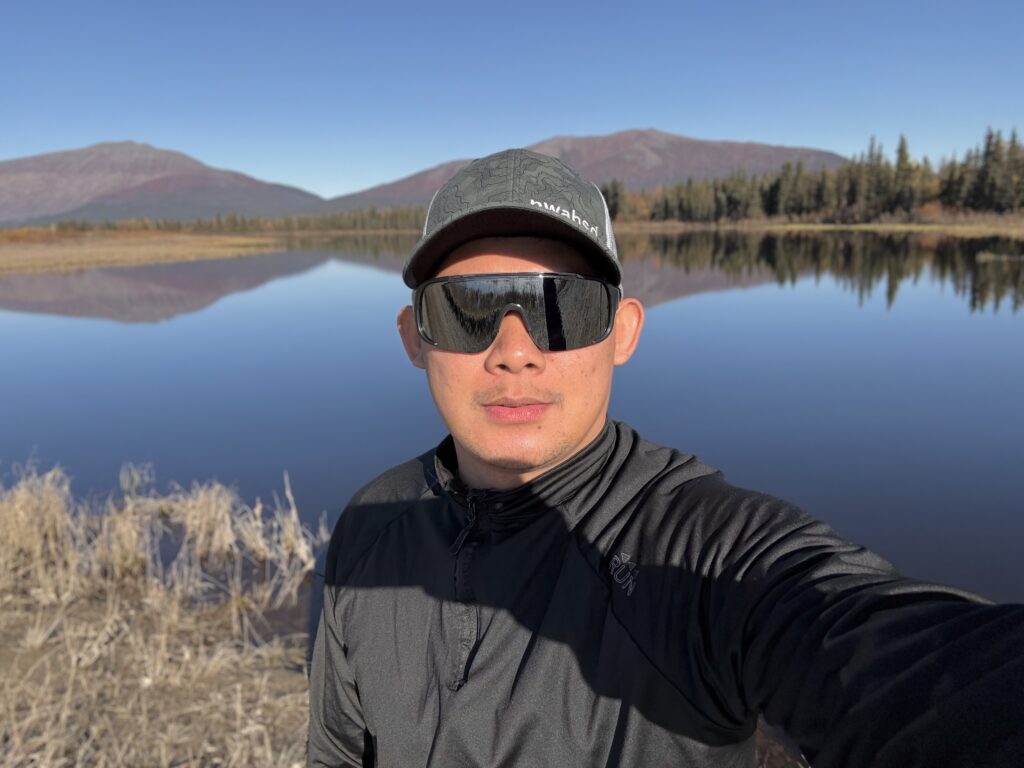
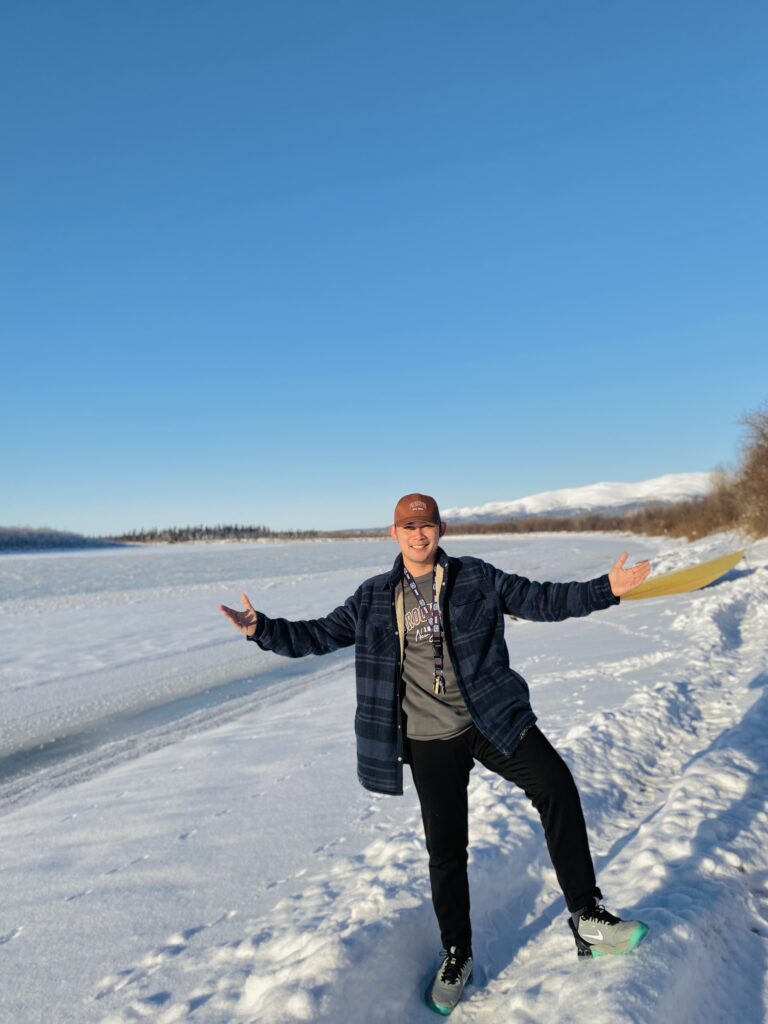
The move to Alaska was, by his own account, one of the biggest leaps of faith he has ever taken.
Why he left when he never meant to
There’s a comfortable assumption that every Filipino teacher is quietly waiting for a chance to go abroad. Jaz didn’t fit it.
“People often assume that every Filipino teacher dreams of working abroad. In my case, that wasn’t true,” he says.
For most of his career he pictured himself growing old in a Philippine classroom, and he meant it.
What shifted wasn’t ambition so much as arithmetic and honesty. As the one who helps support his parents, and at times his siblings, nieces, and nephews, he wanted to give them a more comfortable life. He also wanted something for himself, a professional challenge and a different education system to test himself against.
“Working abroad wasn’t about leaving my country behind,” he says. “It was about expanding my horizons so I could become a better teacher and a better person.”
He frames it as a kind of loyalty rather than a departure.
“Sometimes, loving your country also means allowing yourself to grow beyond its borders,” the former Department of Education teacher says.
The hardest year
Nothing about the first year was gentle. Assigned to a small Alaska Native community, he found himself learning a new culture, a new curriculum, and student behaviors he wasn’t used to, all at once and all far from home.
“My first year was the hardest year of my teaching career,” he admits.
There were days he questioned himself. He missed his family terribly. The isolation of a remote village, where the nearest familiar thing was thousands of miles away, pressed in.
He recalls one night in particular, at one of his lowest moments, when he prayed.
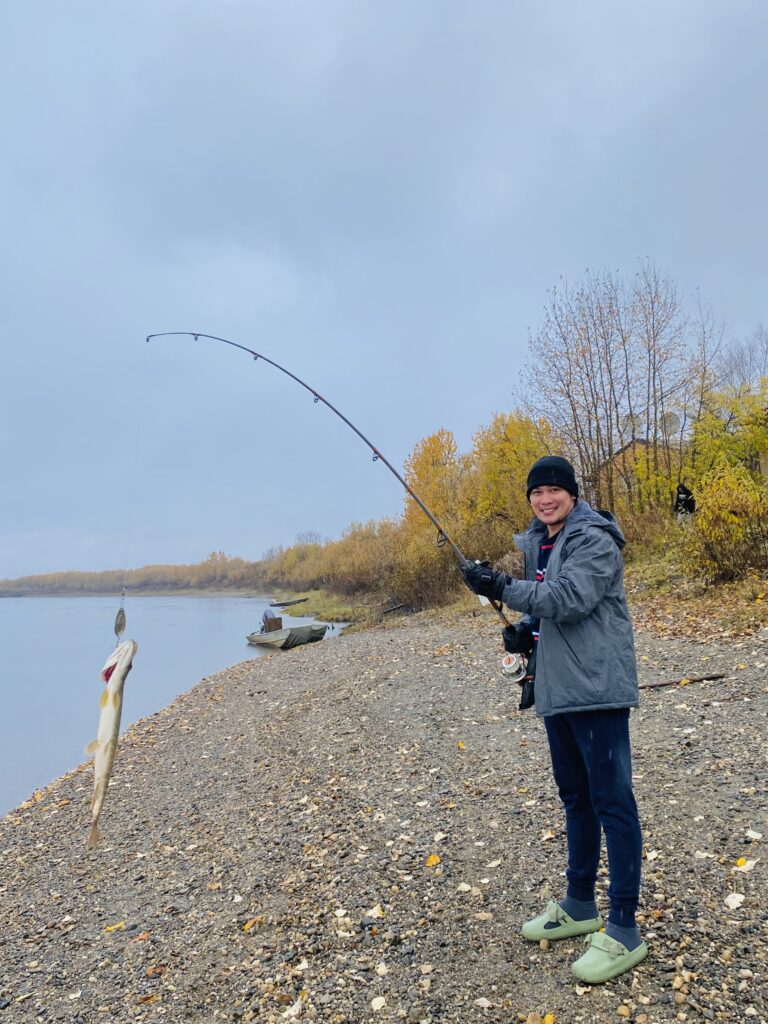
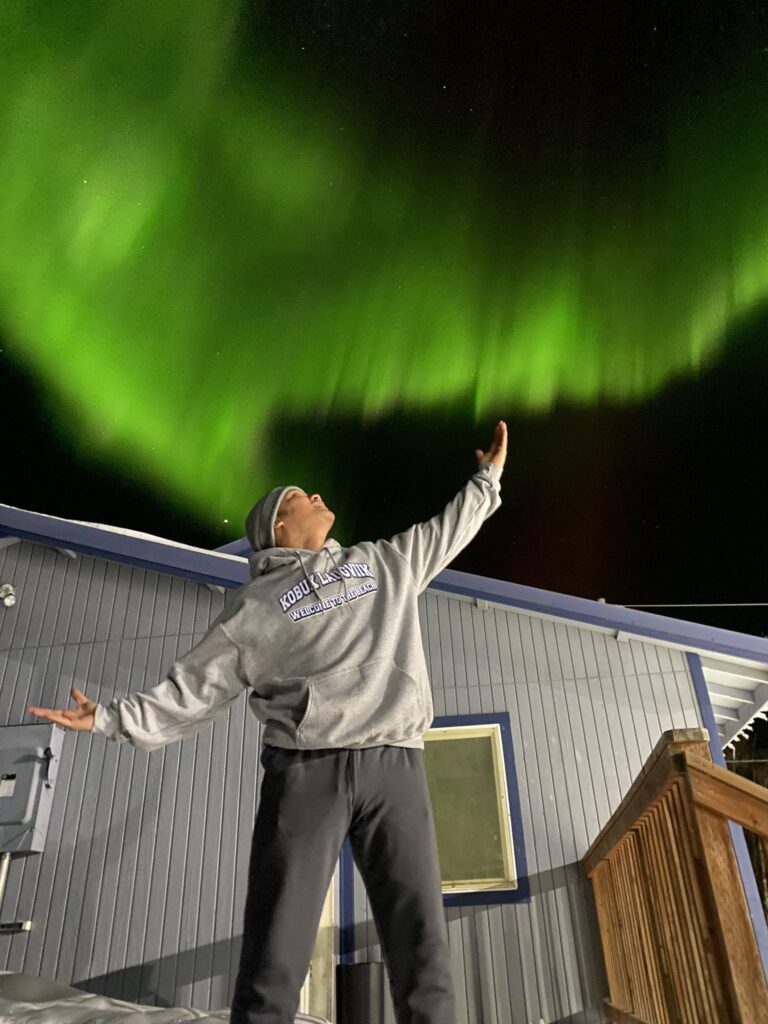
“If this is truly where You want me to be, please let everything fall into place in Your perfect time,” he remembers saying.
The place that once felt foreign slowly stopped feeling that way. This August, he begins his third school year in Alaska, and the description he reaches for now is a different one entirely.
“The place that once felt unfamiliar has become my second home. The people who were once strangers have become family,” he says.
His read on what actually changed is characteristically unsentimental about the circumstances and generous about the outcome: “Sometimes, God’s answers don’t come by changing our situation. Sometimes, He changes our hearts first.”
What the classroom taught the teacher
Ask him what he appreciates most about the job, and he doesn’t mention curriculum or results.

“The best part of my job is the relationships I build with my students,” he says.
When he arrived, everything was unfamiliar, down to the way his students expressed themselves. His instinct was not to correct that but to understand it.
“Instead of trying to change them, I learned to understand them first.”
That approach reshaped how he measures a good day. The wins he counts are small and human, a hesitant student growing more confident, someone speaking up in class, a child simply smiling more than before.
“Every small victory makes every challenging day worthwhile,” he says.
Teaching, he has come to believe, was never really about academics alone.
“It is about helping young people believe in themselves.”
The experience has changed him as much as his students. Professionally, he says, it forced him to become more flexible, creative, and open-minded, picking up new strategies and adapting to a curriculum unlike anything he taught before. Personally, it taught him resilience and a sharper appreciation for the family and culture he left.
“Living far away from home made me appreciate my family, my culture, and even the little things I once took for granted,” the Filipino educator says.
Carrying the Philippines north
He is clear-eyed about the cost.
“Leaving the Philippines was never easy. I left behind my family, my friends, and the life I had known for many years,” he says.
But he credits the discomfort itself with the growth that followed.
“By stepping into the unknown, I discovered strengths I never knew I had.”
The lesson he draws from it is blunt: growth begins where comfort ends.
For kababayans abroad who are struggling, his advice is grounded in that same hard-won perspective. Don’t measure your journey against anyone else’s, he urges, because everyone carries struggles others don’t see. Be wise with money, stay close to loved ones, and keep company with people who lift you up.
“Most importantly, don’t lose yourself while chasing success,” he says. “Remember where you came from, stay humble, and never stop believing that every difficult season has a purpose.”
When his overseas chapter ends, he hopes to bring everything home, to keep serving education in the Philippines and to mentor teachers eyeing the same leap, telling them the beautiful parts and the difficult ones with equal honesty.
If his story nudges even one teacher toward believing in themselves, he considers the sacrifice repaid.
For now, he teaches in a village of fewer than 200 people, trying to give his students the same warmth and dedication Filipino educators are known for around the world.
“No matter where life takes us, we carry our values with us,” he says.
And he has a clear sense of what he wants to leave behind in that small Arctic classroom, long after the lessons themselves fade:
“I hope that wherever I teach, my students will always remember not just the lessons I taught, but how I made them feel.”
