



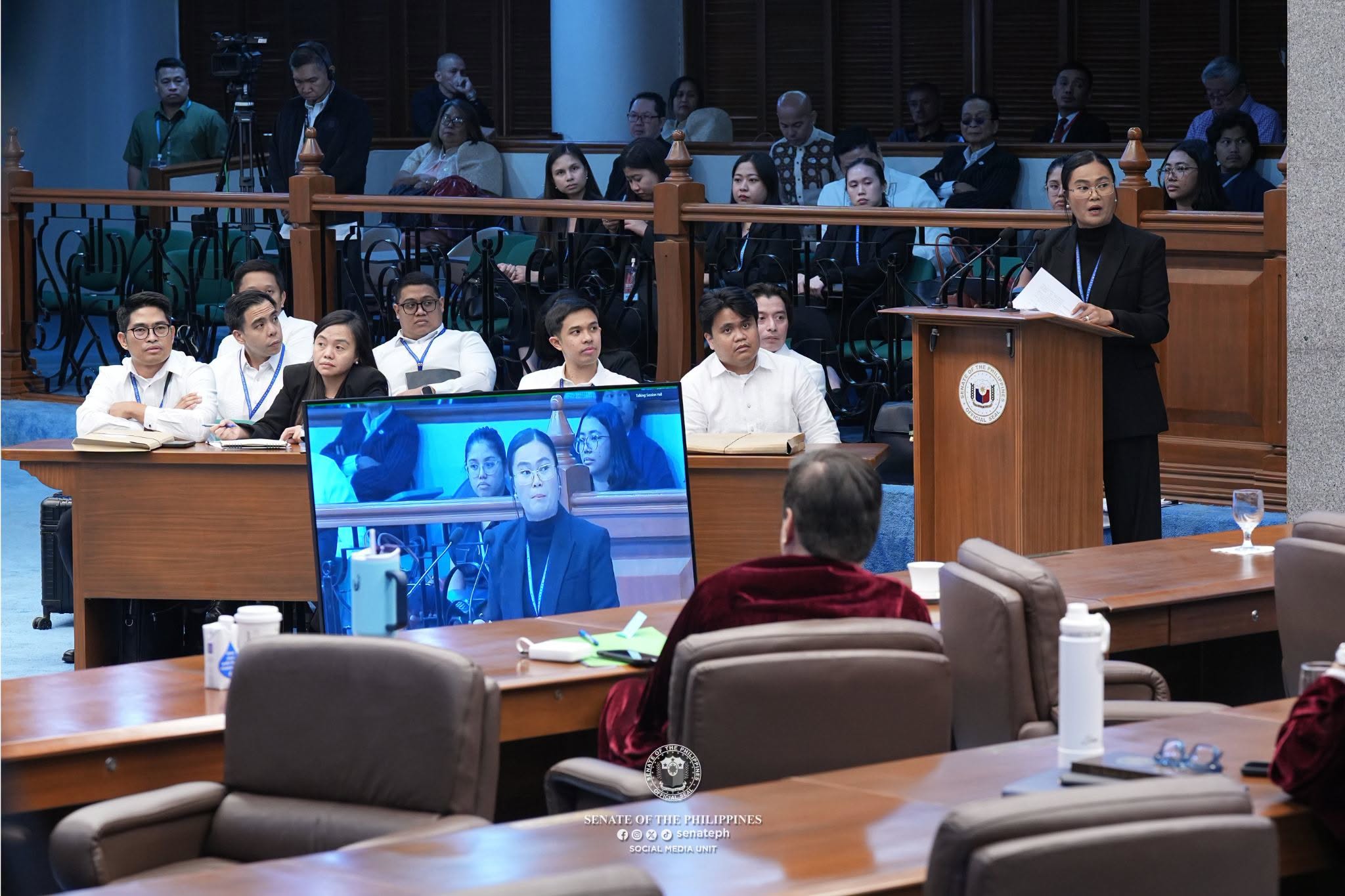

Judicial review can no longer touch how the House of Representatives handled the impeachment case against Vice President Sara Duterte, the Supreme Court decided Wednesday, finding that the disputes brought before it no longer served any purpose.

At the center of the ruling was a set of petitions—among them one lodged by Duterte herself, alongside lawyer Israelito Torreon and other parties—that took aim at how the lower chamber conducted its part of the proceedings. Those filings contended that the House stepped past the limits of its constitutional mandate when it collected evidence and required witnesses to testify during its hearings. The petitioners further disputed the conclusion that the complaints met the required standards of form, substance, and grounds.
According to the Court, the House had already wrapped up its function the moment the Articles of Impeachment moved to the Senate. “As a result, the actions the petitioner sought to stop had already been completed,” the SC stated. With the trial phase now underway before the senators, the specific relief being requested had nothing left to address.

The tribunal acknowledged that certain rare circumstances can justify a ruling even after a matter loses its live controversy. “While the SC recognized that it may, in exceptional cases, decide issues that have become moot, it found that none of the recognized exceptions applied in this case,” the Court noted.
Explaining why nothing remained for it to weigh in on, the SC pointed to the sequence of events: “The SC ruled that the issues raised in the petitions had become moot, or no longer required resolution, because the House had already approved and transmitted the Articles of Impeachment to the Senate.” The completed transmittal, in the Court’s reckoning, closed the door on the chamber’s involvement and left the impeachment squarely in the hands of the Senate.
