



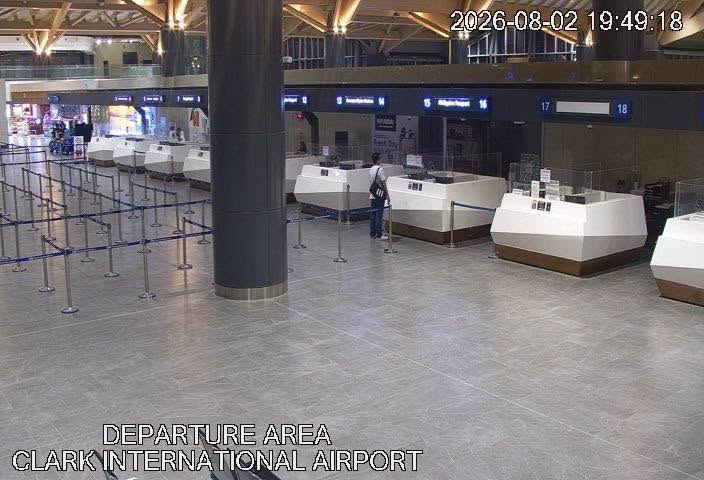

A Filipina hoping to begin work as a nanny in Dubai was intercepted at Clark International Airport on July 24 after border officers determined her Overseas Employment Certificate (OEC) had been tampered with, according to the Bureau of Immigration (BI).

The 45-year-old passenger, booked on a connecting flight to Dubai, drew scrutiny when her paperwork was run through the immigration desk. Officers checked the certificate against the Department of Migrant Workers (DMW) database—now tied directly into the bureau’s verification system—and the records flagged it as falsified.
Under questioning, the woman said she had been hired to care for the household of an Egyptian employer. She maintained she had no idea the OEC was counterfeit, telling officers her recruiter had handed her the document with no further explanation.
Authorities turned her over to the Inter-Agency Council Against Trafficking (IACAT), which is expected to extend assistance to her while examining whether charges can be filed against the people who organized her placement.

BI Commissioner Joel Anthony Viado credited the DMW database link for exposing the forgery, explaining that the connection lets officers authenticate certificates on the spot instead of working through manual verification. He said the system now allows staff to confirm a document’s validity “instantly” against DMW records.
According to Viado, real-time digital checks have made forged travel documents “no longer” a workable route, and he pressed anyone seeking jobs abroad to handle their paperwork through legitimate offices rather than fixers or unlicensed agents.
Officials framed the tighter airport screening as a deliberate effort to catch trafficking and illegal recruitment attempts while the workers involved are still on Philippine soil—a safeguard the bureau says depends on departing employees vetting both their recruiters and their documents on their own before heading to the airport.
