



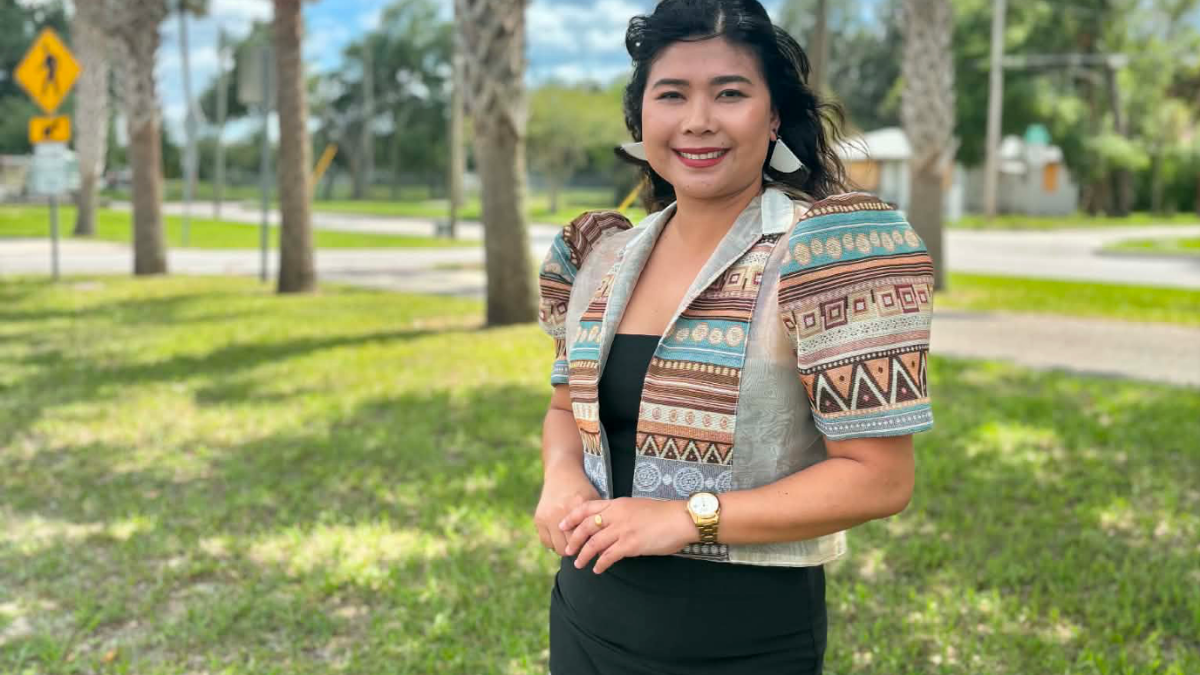

Twenty-eight seventh graders file into a classroom in Volusia County, Florida, and no two of them are learning the same way. Some have Individualized Education Programs. A few are still building their English. Others carry behavioral intervention plans, and they arrive from every economic starting point imaginable. The teacher at the front has forty-five minutes to reach all of them at once — and she came a very long way to do it.

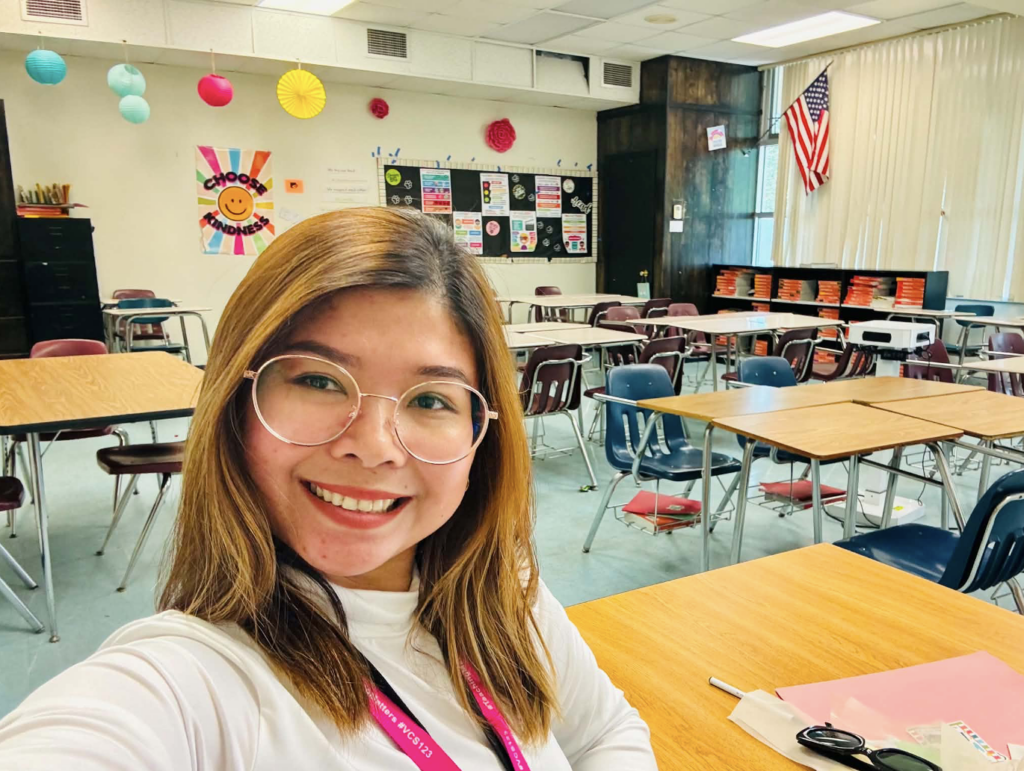
Chona Claros Aranaydo teaches 7th grade English Language Arts at Southwestern Middle School, in an inclusion classroom that packs that full range of learners into a single period. At 30, she has spent three years abroad turning what could read as an impossible assignment into the work she is proudest of.
“Every day challenges me to be creative, patient, and culturally responsive,” she shares with TGFM. For Chona, that challenge is the point.
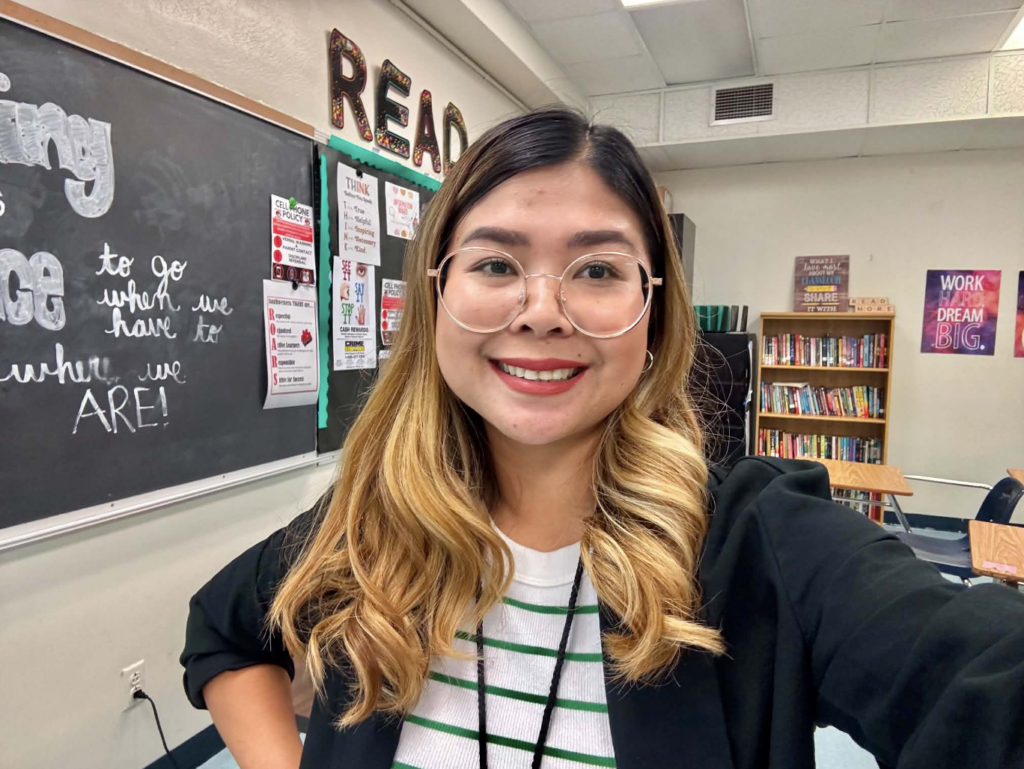
The distance she had to travel
To understand why a demanding classroom feels like a natural fit, it helps to know where she started. Chona grew up and began her teaching career in a remote rural community in the Philippines — the kind of place that rarely appears on maps of where global careers begin.
“Coming and serving from a remote rural community in the Philippines, I wanted to prove that where you come from does not determine how far you can go,” she says. She spent five years as a public school teacher under the Department of Education before an international teacher exchange program brought her to the United States, and she is candid that the classroom was never the hardest part of her story.
The hardest part came earlier. To finish college, she worked whatever jobs would let her stay enrolled — cleaning houses, serving as a student assistant to hold onto her scholarship, taking shifts at fast-food chains, and working nights as a call center agent while attending classes by day. There were moments she considered walking away.
“There were many times I wanted to give up, but I knew that returning home without finishing my education would mean giving up on my dreams,” she recalls. Instead, she leaned on relatives and friends who believed in her, and she kept going. The former night-shift call center agent came out the other side with a lesson she still teaches: “Education is not simply a diploma—it is the passport that can change lives and open doors to endless opportunities.”
Bringing the newsroom into the classroom

Long before Florida, Chona had already found the through-line that would define her teaching. Back in the Philippines, she served as her school’s English Campus Journalism Coordinator, coaching student journalists to national recognition and earning her own award as an Outstanding School Reading Coordinator for promoting literacy.
That background didn’t stay behind when she moved. She has quietly folded it into her American lessons, pushing her students to write news articles, informative pieces, and opinion writing — the same skills she once coached in campus journalists, now aimed at seventh graders who don’t yet know how much storytelling can do for them.
“I encourage my students to think critically, write with confidence, and appreciate the power of storytelling,” she says. What she appreciates most about the job is that it doesn’t ask her to abandon what she already knew. “I can continue using the knowledge and teaching practices I developed in the Philippines while learning new approaches in the American education system,” she explains. The result is a teacher fluent in two systems, borrowing the best of each.
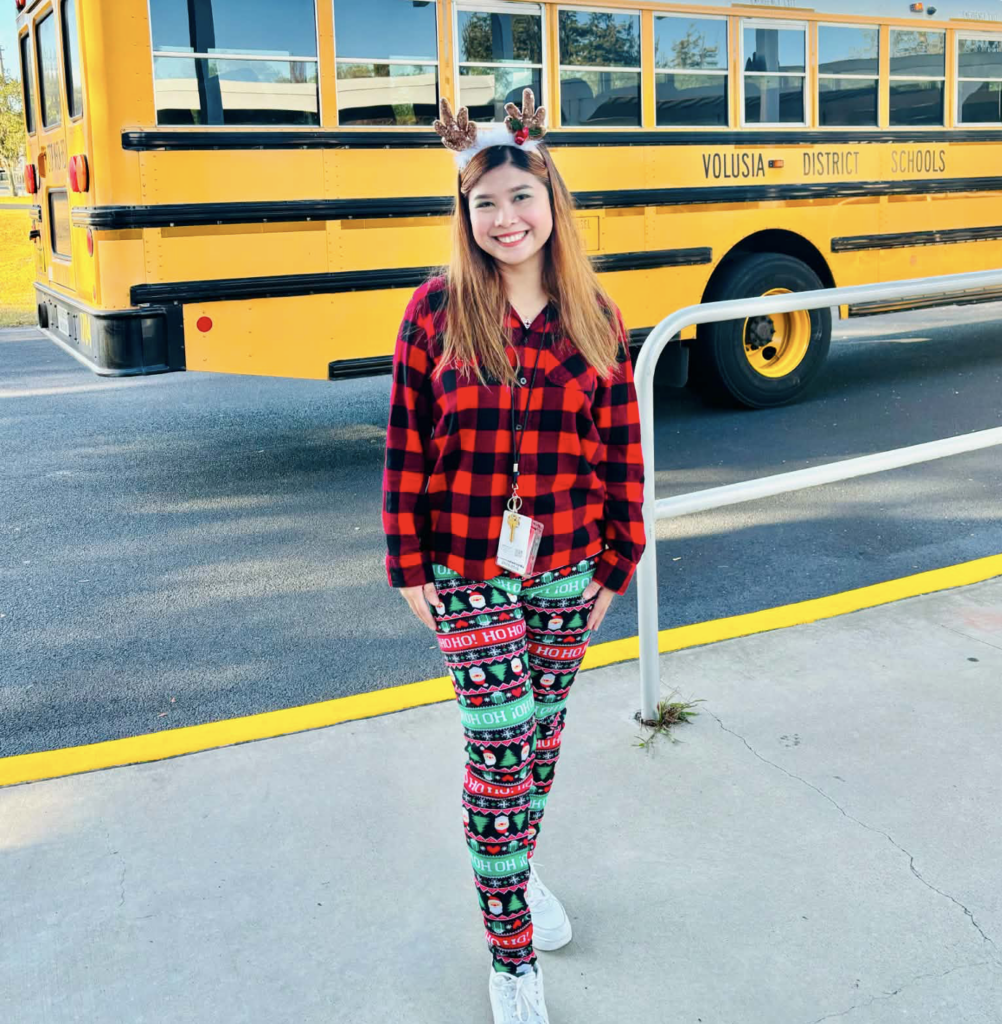
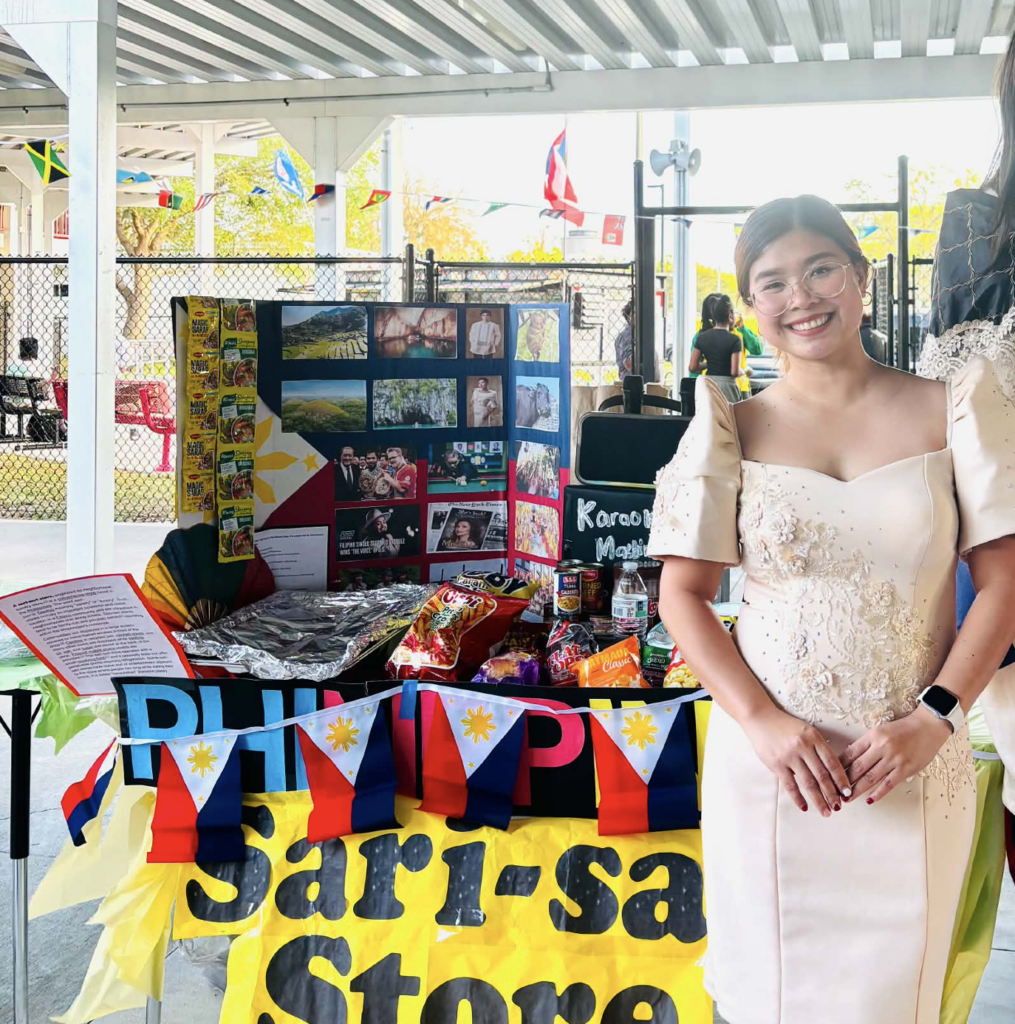
But the moment that clearly means the most to her isn’t about test scores or writing samples. It’s watching American students grow curious about where their teacher comes from. Through classroom discussions and school events, the Filipina educator has made her heritage part of the curriculum. “The most rewarding part of my job is seeing my students appreciate not only language and literacy but also Filipino culture.”
A second family, and the work still ahead
That instinct to build community doesn’t switch off when the last bell rings. Outside school, Chona serves as Secretary of the United Filipino American Association and as one of its Cultural Dance Directors, promoting Filipino traditions through community events. She describes the network she has found in Florida in familial terms — a second family, thousands of miles from the first.
“No matter where we are in the world, we can continue to preserve and celebrate our identity as Filipinos,” she says. It is a conviction that shapes both her classroom and her calendar.
Looking ahead, her goals are grounded rather than grand. She wants to keep building a stable future for her family, advocate for literacy among Filipino children, and mentor other Filipino educators eyeing international teaching — helping them navigate a path she had to figure out largely on her own.
For the kababayan wrestling with doubt abroad, her advice is drawn straight from experience. “Never be afraid to step outside your comfort zone,” she says. “Growth begins the moment you choose courage over fear.” She is quick to remind fellow Filipinos abroad of what they carry with them: resilience, compassion, and dedication that earn respect anywhere in the world.
