



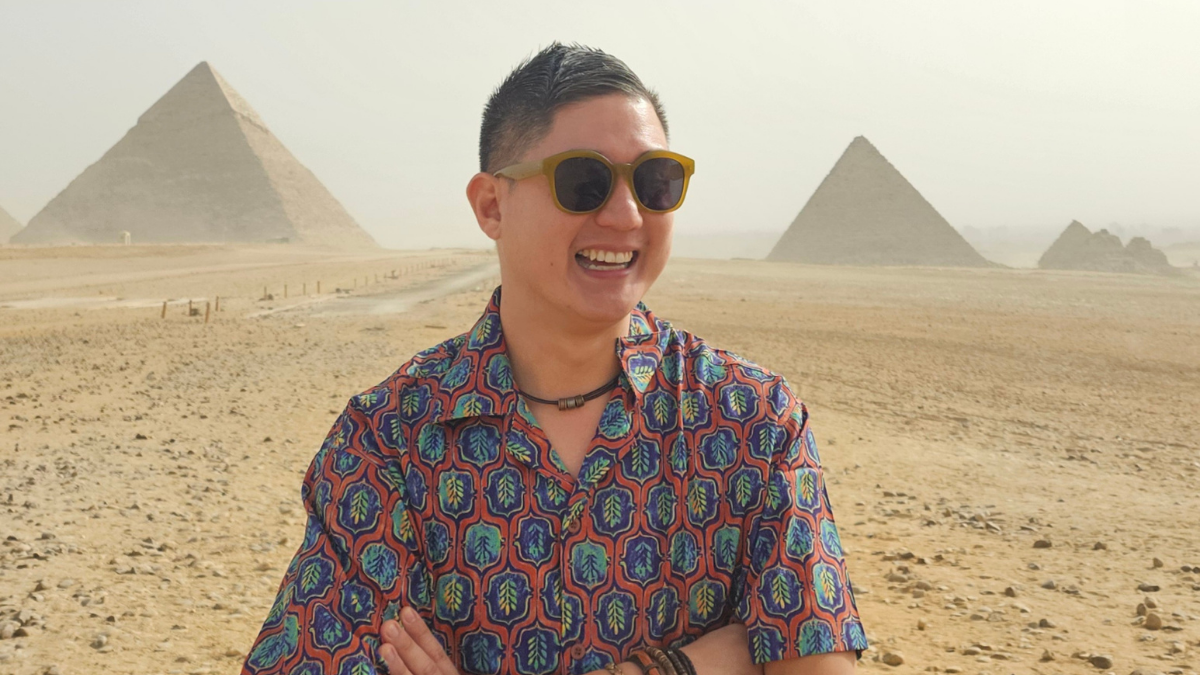

Every overseas Filipino worker knows the arithmetic of sacrifice — the birthdays missed, the money wired home, the quiet agreement that your own wants come last. Glen Christian Gonzales lived by that math for more than a decade, until the day he decided to stop. The 34-year-old from Cavite City walked away from a supervisor’s post at one of the world’s most prestigious hotel brands, not to chase a promotion or a bigger paycheck, but to save himself.

What he did next turned a personal crisis into one of the most improbable travel feats a Filipino has recorded in recent memory.
From Cavite to the Ritz-Carlton
Long before the passport stamps piled up, there was a kid in Cavite City glued to travel documentaries. “From a very young age, I was fascinated by the idea of living in other countries,” he shares with TGFM. His parents, he recalls, always knew he was destined to leave. At 19, the chance arrived, and he took it — moving abroad to finish college while working two part-time jobs.
“Juggling two jobs while being a full-time student was not easy, but it was very fulfilling,” he says. That stretch, hard as it was, gave him his first taste of standing on his own.
A culinary arts degree pointed him toward the kitchen, and his first job overseas — a kitchen hand at a local Australian cafe, assisting the chef — seemed to confirm the plan. Then he was hired as a server, and everything changed. “I enjoyed it so much!” he says. “As an extrovert, I thrive on talking and interacting with people, which made me realize that my true passion was working in the front of the house.”
That realization carried him into the orbit of the Ritz-Carlton, beginning with an internship at the brand’s Dove Mountain property in Arizona and later postings across the Caribbean, in Grand Cayman and Turks & Caicos. He cycled through roles as a server, barista, and host before landing the job he still calls his best: Banquet Supervisor.
The best job, and the breaking point
Events work is not for the faint of heart, and he does not pretend otherwise. “Yes, working in events is highly stressful and demanding, but seeing clients appreciate the results of my team’s and my hard work makes it all worth it,” he says. The role let him pour years of global exposure into a single evening — folding ideas he had picked up around the world into celebrations for clients. For a self-described creative, it was a dream.
And then the dream stopped being enough. Somewhere beneath the polished banquets and satisfied clients, depression set in, and it eventually cost him the job. It is the kind of turn most people would file away as a low point. He sees it differently.


“Definitely, the highlight of my career—which may seem different to others, but for me is actually my proudest moment—is when I battled with depression, which had led me to quit my last job overseas.”
He is careful, too, about what that decision meant. Leaving was not an act of surrender but of self-preservation — the choice, as he puts it, to heal before returning to the people who depend on him. “I chose myself—not out of selfishness, but because I knew I needed to heal first in order to be strong enough to take care of my loved ones again.” It is a distinction many OFWs, he suggests, rarely allow themselves. “Many OFWs tend to forget about themselves because they have so many people back home to take care of.”
Eighty-two provinces and a record
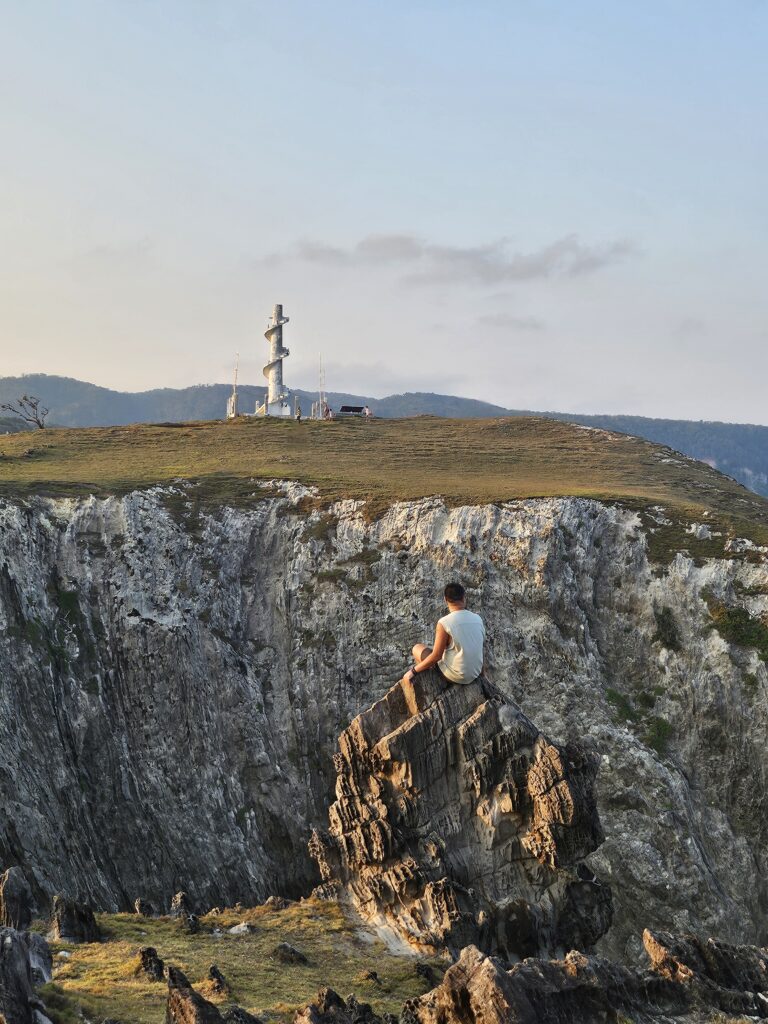
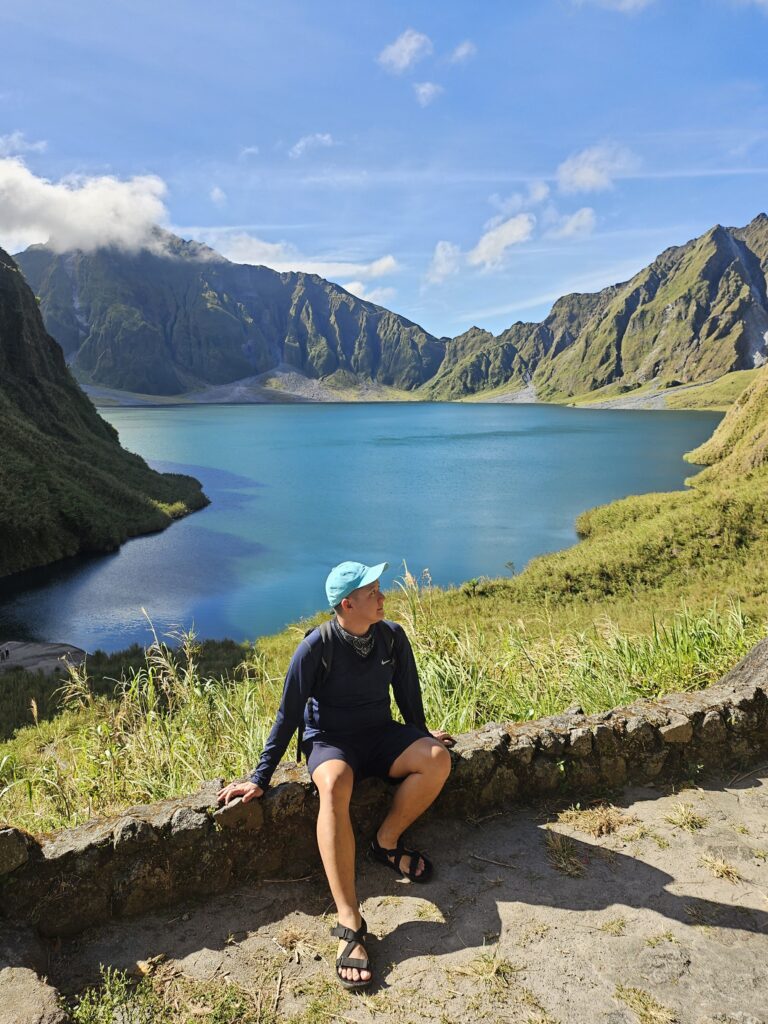
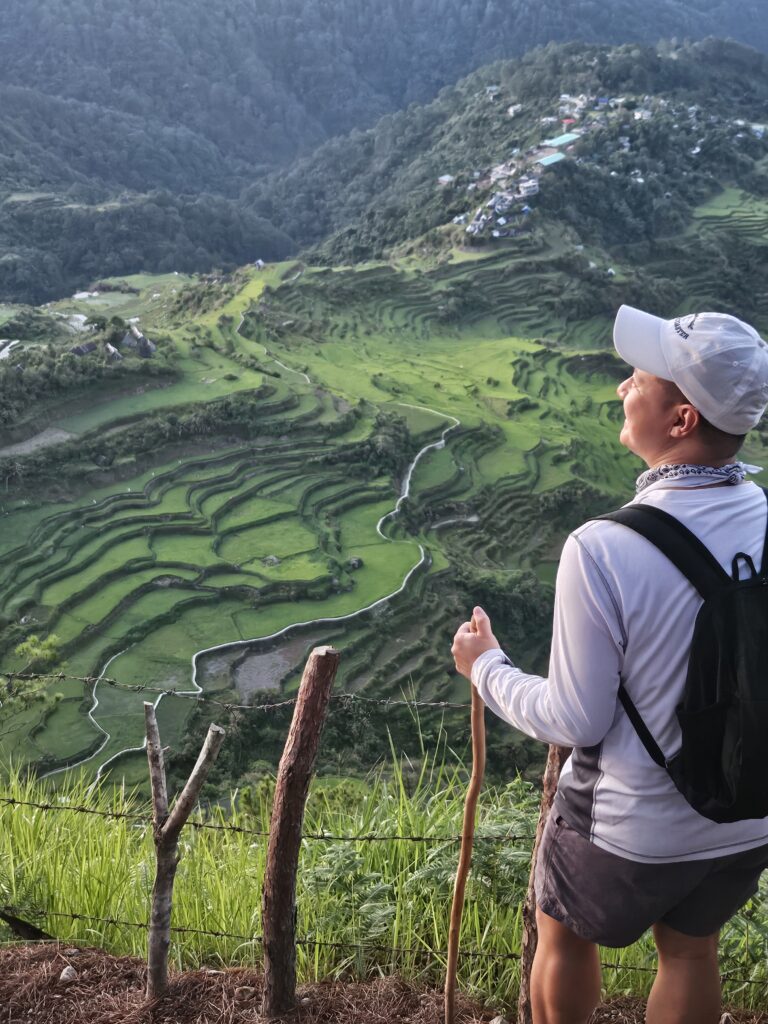
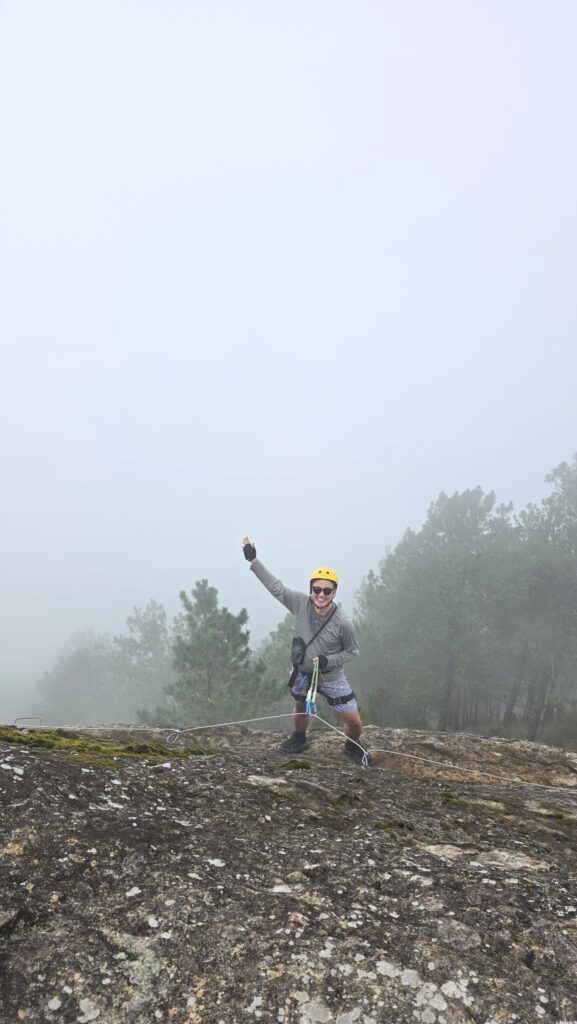
Instead of collapsing into the break, he moved through it — geographically. He channeled the depression, in his words, into positive energy, and set out to travel. What followed reads less like a recovery and more like a campaign.
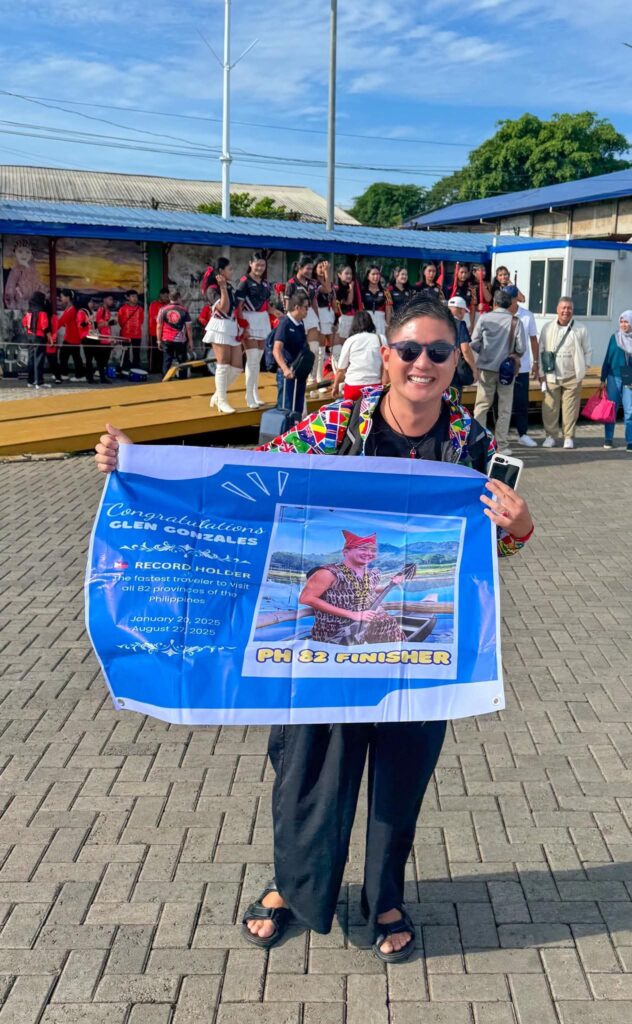
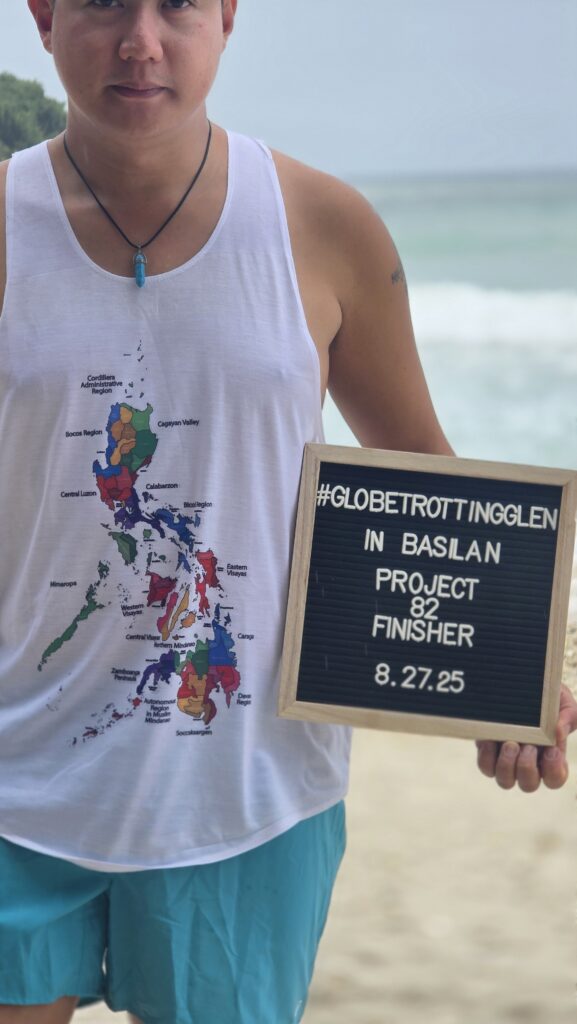
In roughly seven months, the former banquets supervisor visited all 82 provinces of the Philippines, a sweep that earned him recognition from Pinoy History as the fastest person to complete the feat. The same page named him among its “People of the Year” and its “Traveler of the Year.” Abroad, the numbers kept climbing: 19 countries and territories since leaving Turks & Caicos, including the last of the New Seven Wonders of the World he had yet to see. In April 2026, that global page featured his story twice.
He is quick to note the ripple effect. “From last year to this year, I have seen a massive growth in the number of people attempting this same journey, and social media has played a huge part in that inspiration.” A private act of healing had become, almost accidentally, a public one.
Through it all, one anchor never moved. His family remained his support system, and his mother his daily constant. “Even when I was living overseas or traveling, I kept them updated on everything and talked to my Mom daily. Yes, daily! My day just isn’t complete without talking to her.” The homesickness never fully lifted either — the holidays back in Cavite, he admits, still catch him every December.


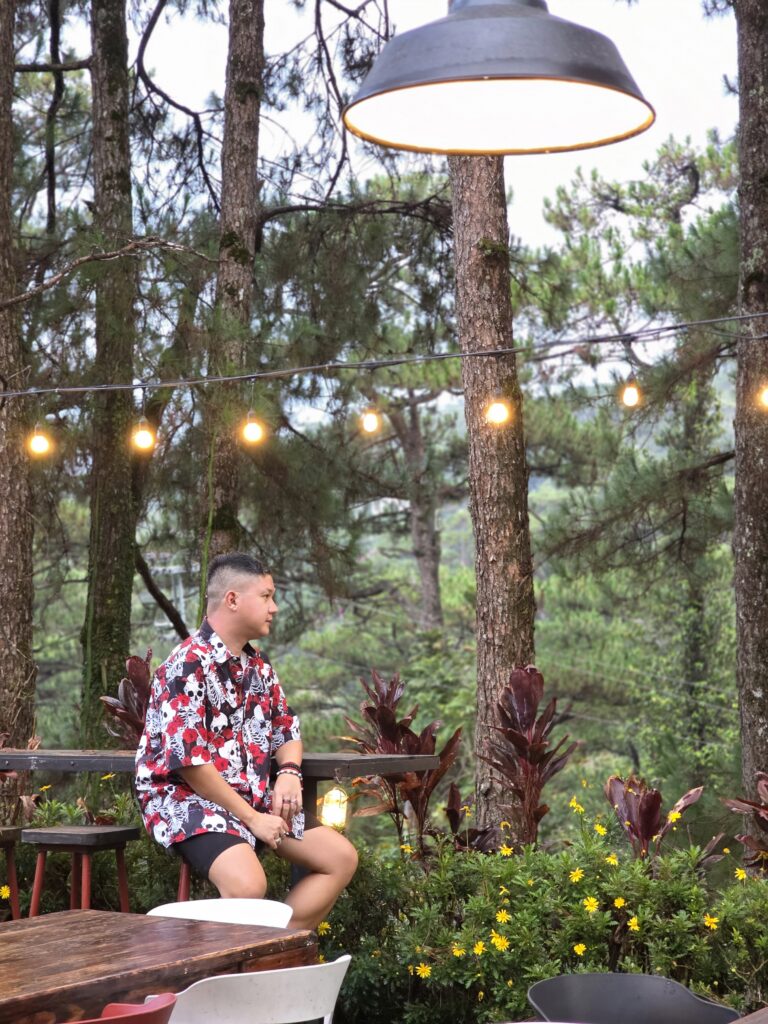
Now unemployed by choice and by design, he is not idle so much as recalibrating. He talks about bringing his luxury hospitality experience home to raise local service standards, mentor young talent, and build sustainable, experiential travel that channels benefits toward provincial economies and artisans. Community-based tourism, he says, is the advocacy he wants to carry.
His advice to kababayans still grinding it out overseas is plain, and clearly hard-won. “Being away from home will always be hard, but never forget why you are doing this. Remember your loved ones and the dreams you want to achieve in life. All of your sacrifices will be worth it in the end.”
He knows his story is unfinished, and he wants it heard anyway. “My story may not be perfect,” he says, “but I know a lot of OFWs who are big dreamers are going to fight harder once they hear it.” His mantra, fittingly, is only two words long: keep exploring.
