



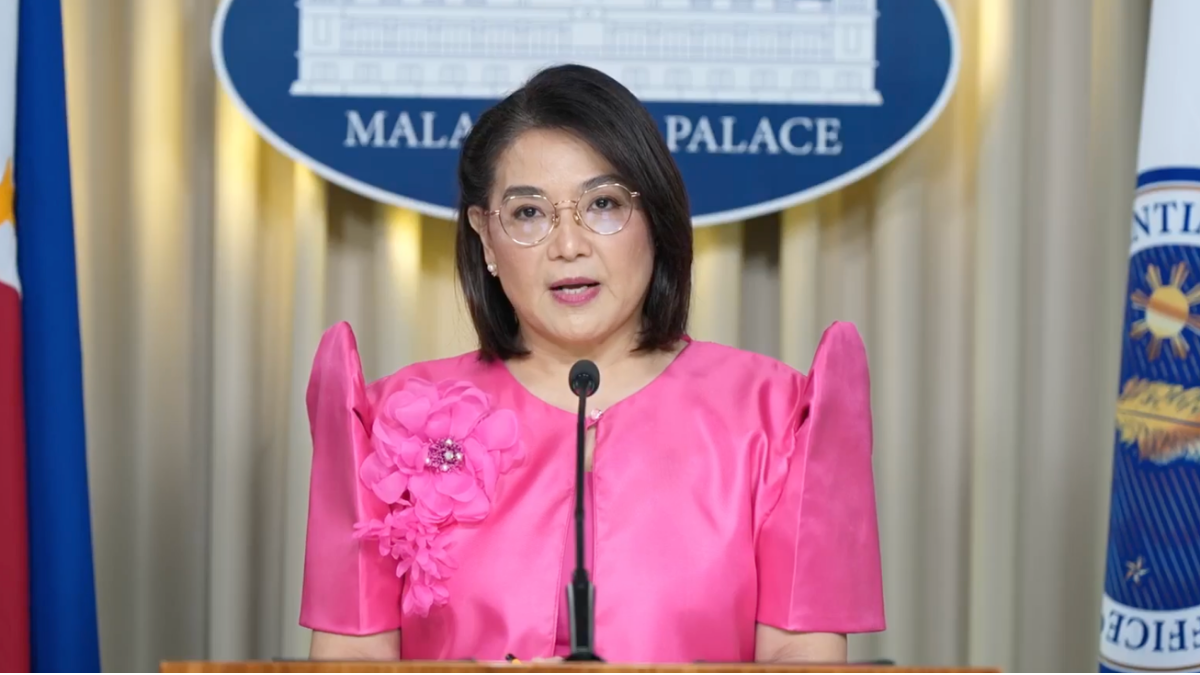

Money left unspent across national agencies will bankroll assistance for Filipinos squeezed by the Middle East conflict, Malacañang said Thursday, July 23, putting the total at P22.79 billion.

Palace press officer Claire Castro traced the sum to Department of Budget and Management National Budget Circulars Nos. 602 and 603, issued in April and May, which directed government offices to surrender surplus and unobligated appropriations. The consolidation was framed around financing energy and economic relief.
First claim on the pool goes to the expanded Uplift Assistance program — the Unified Package for Livelihoods, Industry, Food, and Transport — which Castro said is aimed at farmers, workers, commuters, overseas Filipino workers, and families absorbing the fallout from the regional crisis. The P12.375-billion package announced earlier this month by President Ferdinand Marcos Jr. was financed through the identified savings.
Payment terms split three ways. Some 1.5 million low-income workers whose records the Social Security System has verified are set to receive P2,000 monthly from July through December, or P12,000 over the six-month span. The same schedule applies to 2.5 million poor and near-poor households identified through the 2024 Community-Based Monitoring System. A third group — 3.5 million households enrolled in the Pantawid Pamilyang Pilipino Program and the Walang Gutom Program — gets a one-time supplement of up to P2,000 rather than recurring transfers.

The Manila Times reported that the pooled savings are also intended for sectors hit by Super El Niño, and that the Department of Social Welfare and Development started releasing the P12.37 billion to roughly 7.5 million households on Tuesday.
Social Welfare Secretary Rex Gatchalian said the opening round of payments will be handed out manually, with local government units setting schedules and venues. Recipients will be asked during that first distribution which digital payment method they want for the five months that follow.
Castro has maintained that government funds remain sufficient despite the uncertainty created by the Middle East tensions.
