



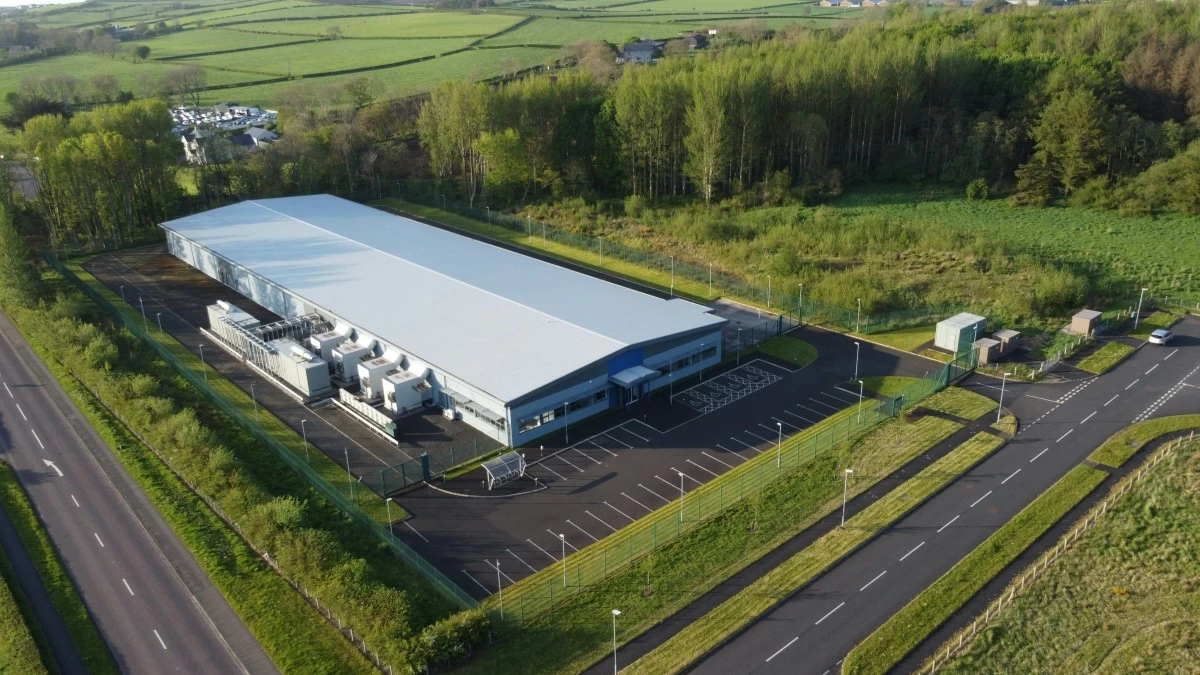

At least 40 percent of the 1,619-hectare Pax Silica site in New Clark City must remain open space under the development’s master plan, Bases Conversion and Development Authority President and Chief Executive Officer Joshua Bingcang said Thursday, as he took on a string of criticisms leveled at the US-backed economic security zone.

“Bagamat 1,600 hectares po ‘yan pero under our masterplan, kailangan at least 40 percent ay open space… Magkakaroon tayo ng sustainable water management po d’yan at itong clean and green energy,” he said.
Speaking at a Palace briefing, the BCDA chief pushed back against assertions that the zone’s planned data centers would draw down supplies relied on by nearby households. Rather than tapping community sources, he said, the project intends to capture rain runoff during the wet months and route it through storage, treatment, and recycling systems.
“Sabi ang Pax Silica project baka ubusin ang tubig because of the data centers na ilalagay. Maaring mag-invite tayo ng data center but it’s not all about data center… Ang target namin d’yan ay surface water harvesting. Ang ibig sabihin niyan, lalo na po ngayon papasok na po ang rainy season, huge amount volume of rainwater dumadapo po d’yan,” he said.
Early projections place the zone’s daily water requirement at somewhere between 65 million and 90 million liters, while the design being drawn up allows for as much as 120 million liters a day, the Inquirer reported. Bingcang said a surplus could be shared with surrounding communities, and stressed that the scheme does not involve pulling water from underground aquifers.

Presentation materials shown during the briefing listed protected green spaces, sustainable water management, and renewable energy integration among the project’s environmental commitments, with the Department of Environment and Natural Resources and the National Water Resources Board identified as the agencies involved. Malacañang has separately cited an NWRB assessment finding sufficient water in the area to serve the development without cutting into local allocations.
Assertions that the zone would open the door to extraction drew a flat denial from the BCDA head, who said the initiative is built around converting critical minerals into finished, higher-value goods for export rather than digging them out of the ground. Material could be processed near its point of origin, he said, then moved to Clark for further work, or sourced from other Pax Silica member states.
Opposition to the project has come chiefly from farmer and environmental organizations. Kilusang Magbubukid ng Pilipinas called the zone a sellout of Philippine land, minerals, and sovereignty, and pointed to soil and groundwater contamination left behind at the former American bases in Clark and Subic. Kalikasan has warned that noise from AI facilities could disturb birds and other local wildlife.
Bingcang told Super Radyo DZBB that a dam or impounding structure would be built to collect the harvested water, and disputed a claim that roughly 20,000 Aeta residents face displacement, saying no ancestral domain sits within the project footprint. He acknowledged that some farmland will be taken up, put the number of affected farmers at about 10, and said a livelihood program has been prepared for them.
The BCDA chief said the entire development remains bound by Philippine law and regulatory oversight, and that it will be subject to an Environmental Compliance Certificate before proceeding.
