



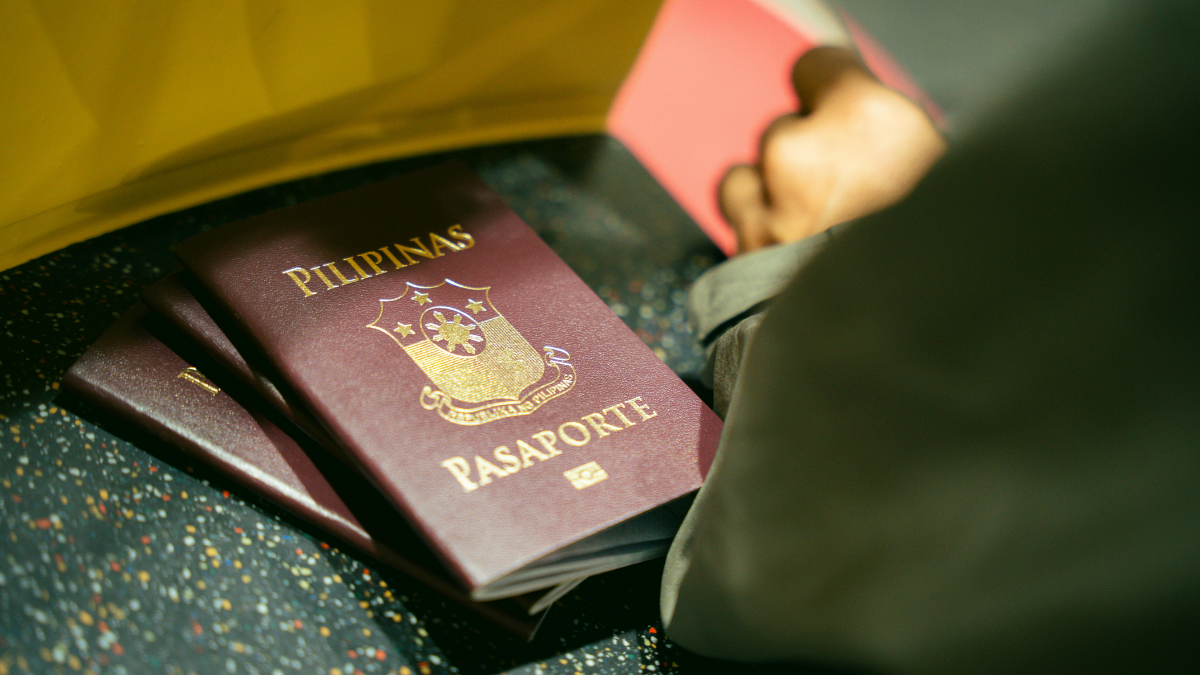

Filipino travelers hold a stronger passport this year than at any point since COVID-19 shut down international borders.

The 2026 Henley Passport Index places the Philippines 72nd worldwide, a three-spot climb from 2025 and the country’s best position since the pandemic reshaped global travel. Filipino passport holders can now enter 65 destinations without securing a visa beforehand, one more than the previous index.
The recovery has taken five years. COVID-19 border closures and prolonged travel restrictions pushed the Philippine passport to 83rd in 2021, its weakest recorded standing. The climb back has been uneven — 77th in 2022, then a slip to 78th in 2023, a jump to 73rd in 2024, a drop to 75th in 2025, and now 72nd.
The current rank sits 11 places above that pandemic low. It remains 10 short of the country’s peak, when the Philippines held 62nd from 2007 to 2009. The passport stood at 63rd in 2006 before that brief high point, then spent much of the following decade drifting through the mid-70s.
Henley & Partners compiles the ranking using International Air Transport Association data. Its chairman, Christian H. Kaelin, ties passport strength to diplomatic standing rather than travel demand.
“The world’s strongest passports belong to nations that other countries want as partners — for trade, investment, security or cooperation,” Kaelin said.

Henley’s separate Passport Index dashboard assigns the Philippines a Mobility Score of 79, drawn from 38 visa-free destinations, 37 offering visas on arrival and four with electronic travel authorization.
The 2026 gain reflects incremental diplomatic engagement and visa arrangements rather than any broad expansion of travel freedoms, according to the report. Millions of overseas Filipino workers, students, business travelers and tourists carry the document.
Other countries have moved faster. The United Arab Emirates has added more than 150 visa-free destinations since 2006 through reciprocal agreements and sustained diplomatic outreach, and now shares second place globally with Japan and South Korea. Singapore leads the index with access to 192 destinations.
At the other end, Afghan passport holders reach 22 destinations. The 170-destination spread between the strongest and weakest passports is the widest the index has recorded; in 2006 that gap stood at 118.
Broadening Philippine visa-free access depends on factors well beyond tourism — bilateral relations, border security standards, economic partnerships and the trust foreign governments place in one another.
