



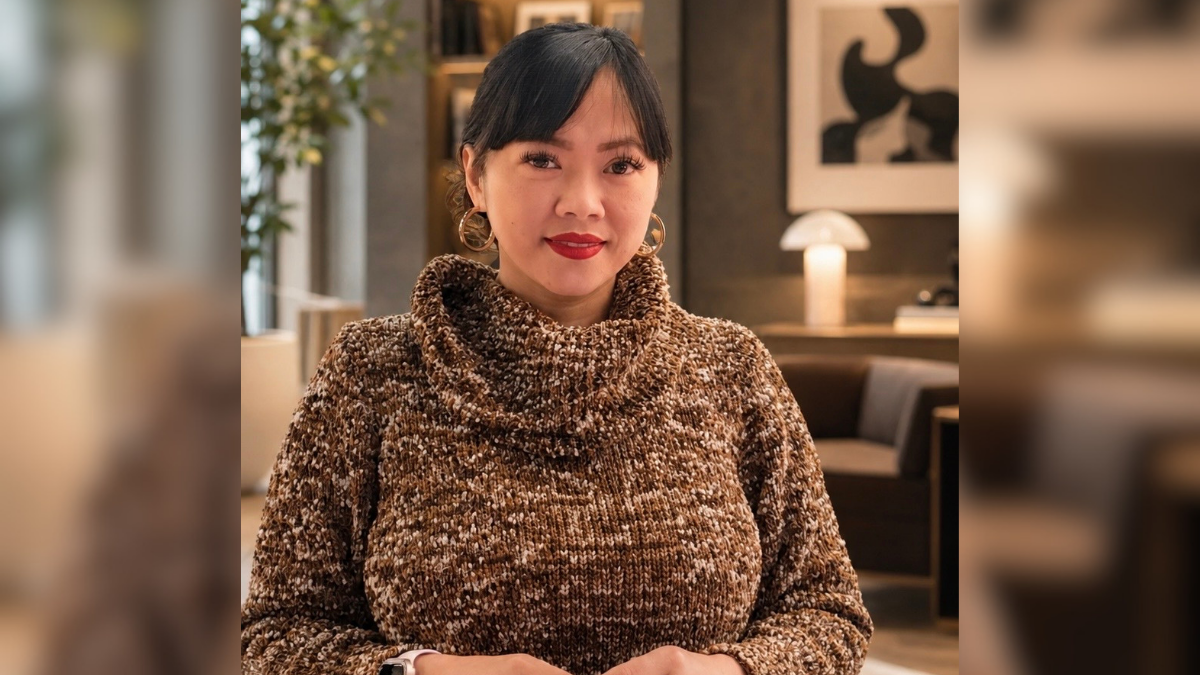

Ask most people to picture a great teacher and they’ll describe someone at the front of a room, holding thirty faces in the palm of their hand. Ask a special education teacher and you’ll get a different answer entirely — a single student, a single word, and a moment that took eight months to arrive.

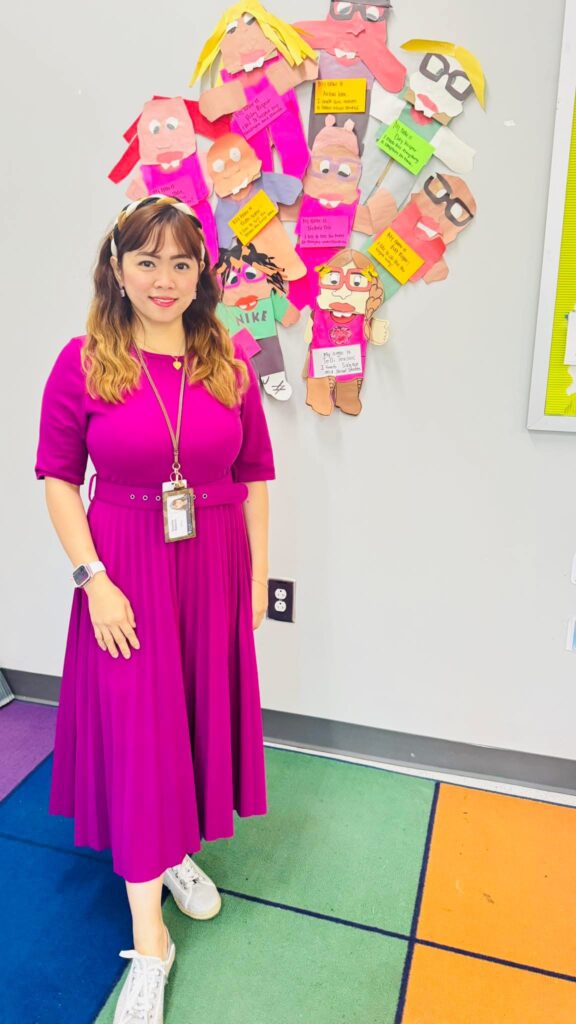
Camille Rubio Sadava has built eighteen years around those moments. The 39-year-old teaches in a highly specialized middle school classroom in Richland School District Two in Columbia, South Carolina, where she’s now entering her fourth year. Getting there meant dismantling almost everything she’d spent a decade and a half constructing.
Fifteen years, then a leap
Before the U.S., Camille spent fifteen years in Philippine classrooms teaching Technology and Livelihood Education in an inclusive high school. She coached students in hair and makeup for skills competitions, and they kept winning — Division Champions in the Technolympics, year after year. When the pandemic shut the schools, she wrote and validated learning modules so instruction could survive the distance.
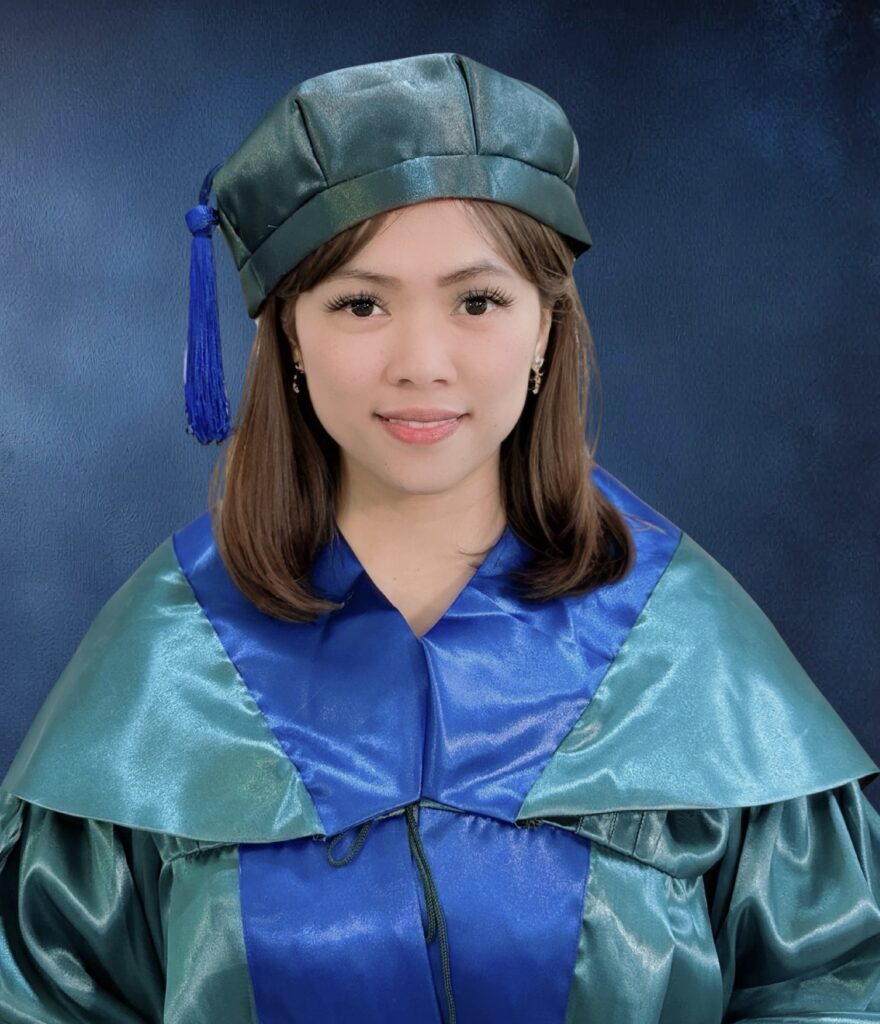
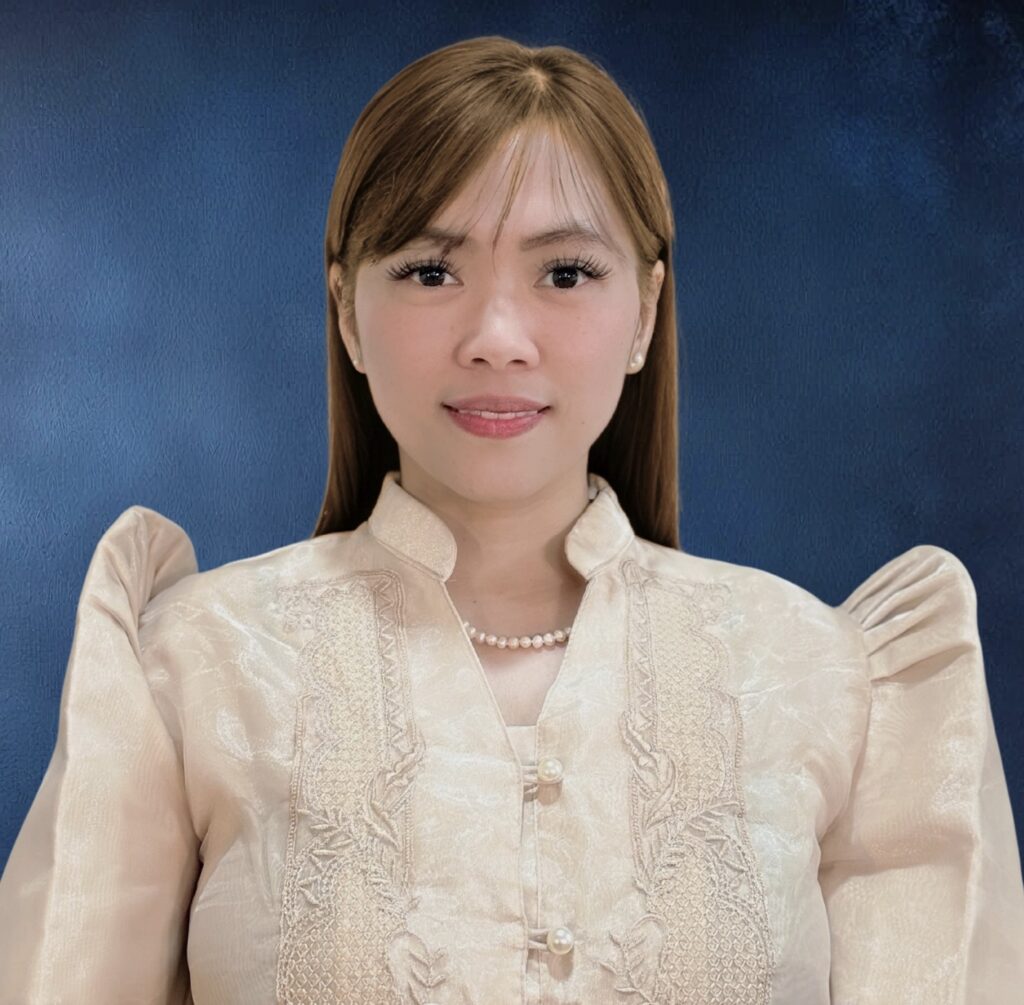
It was a full career. She left it anyway.
“To be honest, deciding to work abroad wasn’t easy,” she shares with TGFM. “It meant leaving my family, my comfort zone, and the life I had built in the Philippines. But I knew I wanted to grow not just as a teacher, but also as a person.”
There was a practical motive too, the one that has moved millions of Filipinos before her. “Of course, I also wanted to build a better future for my family. Like many Filipinos who work overseas, that dream became one of my biggest motivations.”
What she doesn’t do is romanticize the cost. “The sacrifices are real, and there are days when homesickness is overwhelming.”
Learning to teach all over again
The hardest part wasn’t the paperwork or the weather or the accent. It was the work itself.
Moving from an inclusive high school TLE classroom to a highly specialized special education setting meant the Filipina educator’s fifteen years of instinct only got her partway. Her inclusive-classroom background had made her flexible and creative, quick to adjust strategies to whoever was in front of her. But a highly specialized room in the U.S. demanded something else — deeper knowledge of students with more intensive needs, and approaches she simply hadn’t used before.
Her response was unglamorous and effective. She asked colleagues for help. She went to every professional development session she could. She kept adjusting.
“I reminded myself that every challenge was an opportunity for growth and a chance to become a better educator,” she says.
Behind that persistence were two things she names without hesitation: her family and her faith. “My family’s love, encouragement, and constant belief in me gave me the strength to keep going, especially during times when I felt the challenges of being far away from home.” Her faith, she says, gave her hope and courage, and the reminder that every challenge she faced had a purpose.
Looking back, the veteran teacher counts the difficulty as an asset rather than a scar. The transition taught her resilience, continuous learning, and what it means to move past the edge of what’s comfortable.
What the job actually looks like
Her role, as she describes it, extends well past instruction. She builds individualized learning experiences, adapts lessons to a wide range of needs, and works on communication, academic, social, and life skills. The organizing principle sits above all of it: a classroom where every child feels safe, valued, respected, and genuinely loved.
That takes a specific set of muscles. “Every day requires patience, creativity, flexibility, and a deeper understanding of each student’s unique needs,” she says.

And the payoff is small in a way that only makes sense from inside the room. “The greatest reward in my career has never been awards or recognition. It is witnessing the quiet, life-changing moments when my students achieve what others once believed was impossible.”
Ask her what those look like and the examples are almost startlingly modest — a student communicating a need for the very first time, gaining confidence, hitting a milestone they’d worked toward for months. “Those moments remind me that progress does not always have to be big to be meaningful.”
The recognition has come anyway. She was named her school’s Teacher of the Month, an honor that landed differently because it came from the people she works beside daily. Her classroom has become a training ground as well — newly hired special education teachers in the district observe her routines and strategies, and she serves as a host teacher for University of South Carolina freshmen studying special education, giving them their first look at what the work actually involves.
For her, that’s not a side assignment. “Teaching is not only about educating students,” she says. “It is also about inspiring and supporting future educators who will continue making a difference in the lives of learners.”
Carrying the flag into a middle school classroom
There’s a version of the overseas Filipino worker story that’s all remittances and sacrifice. Camille tells a different one, where the export is the teaching itself.
“Working in the United States has taught me so much,” she says. “It has helped me become more confident, more adaptable, and even more passionate about Special Education. Most of all, it has given me the chance to show that Filipino teachers have so much to offer. We don’t just teach lessons, we teach with heart, patience, and genuine care.”
She lists the values she carries the way someone might list credentials: compassion, resilience, dedication. And she frames representing the Philippines not as a burden but as one of the better parts of the arrangement. “Being able to represent the Philippines while doing what I love is something I will always be proud of.”
Working overseas has also reshaped her outside the classroom — more independent, more open-minded, more willing to build connections in unfamiliar places. The reach is what she values most. “The greatest benefit of being a global educator is knowing that wherever I am in the world, I can continue making a positive impact through teaching.”
What comes next
She isn’t treating the American chapter as a destination. Whatever follows, the special education advocate wants to keep sharing what she’s learned with other teachers, particularly around inclusive and special education practice, and to keep pushing for acceptance and understanding for children with special needs.
“Every child deserves to be valued, supported, and given the opportunity to reach their full potential, regardless of their abilities or challenges.”
She’s also thinking about the teachers coming behind her — Filipino educators eyeing opportunities they’re not sure they’re allowed to want. “Whether my journey leads me back to the Philippines or to another path in education, I want to continue teaching with compassion, sharing my experiences, and using my voice to help build better opportunities for learners.”
Her advice to kababayans abroad is practical before it’s inspirational. Hold on to your purpose. Stay humble. Ask for help. Choose your relationships carefully. Manage your money and don’t expect success overnight.
Then the part she means most.
“Keep your faith in God, stay connected with your family, and never forget your values as a Filipino. Our greatest strengths are our compassion, resilience, and ability to overcome challenges.”
And finally: “You are not only working abroad, you are carrying your dreams, your family’s hopes, and the pride of being a Filipino wherever you go.”
Eighteen years in, she still measures a good day by whether a student who couldn’t say something yesterday can say it today. It’s a small unit of measurement. She’s spent a career proving it’s the one that counts.
