



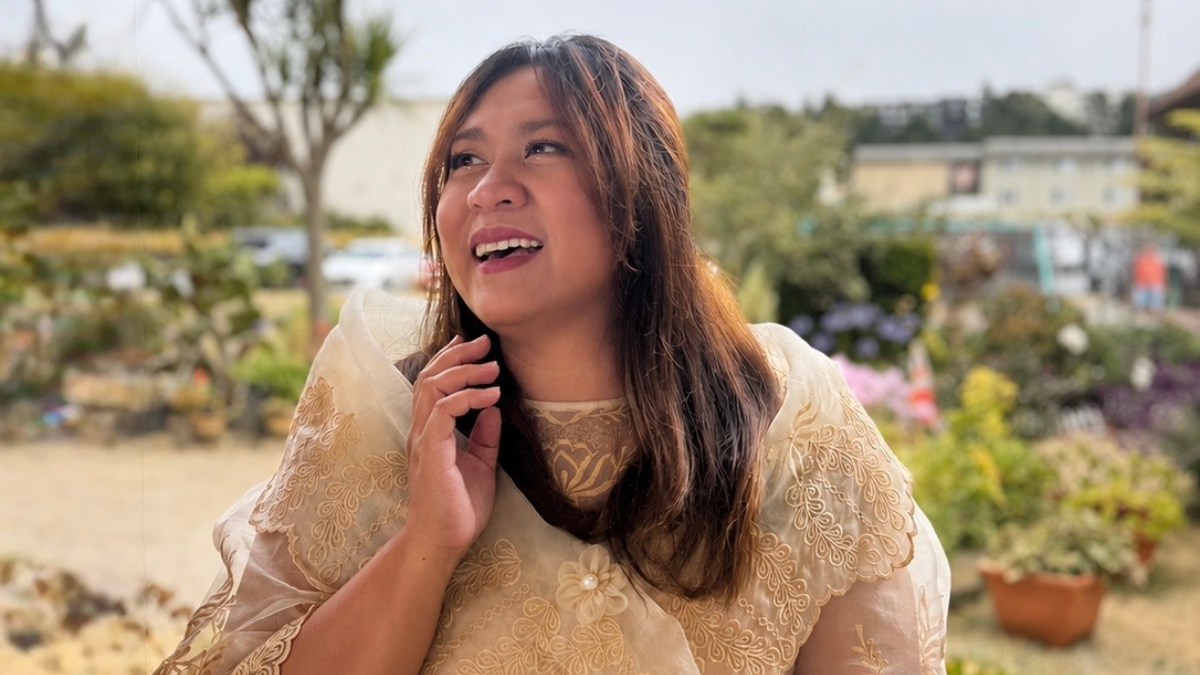

Ask most people why a teacher leaves the Philippines to work overseas, and they will point to the paycheck. It is the easy answer, the one that fits neatly on a form. For the woman standing at the front of an Alternate Pathway classroom at Jefferson High School in California, the real reason was far less tidy — and had almost nothing to do with money.

Christine Aires arrived in the United States in July 2023, a 31-year-old special education teacher who had never before set foot outside her home country. What looked, on paper, like a career move was closer to a rescue mission. The person she was trying to save was herself.
The season before the door opened
The years leading up to her departure had been some of the hardest of her life. The pandemic had hollowed out her sense of the future, and she carried the weight of personal loss and the responsibility of caring for her aging father. She wanted to help the people she loved, but wanting, she learned, was not the same as being able.
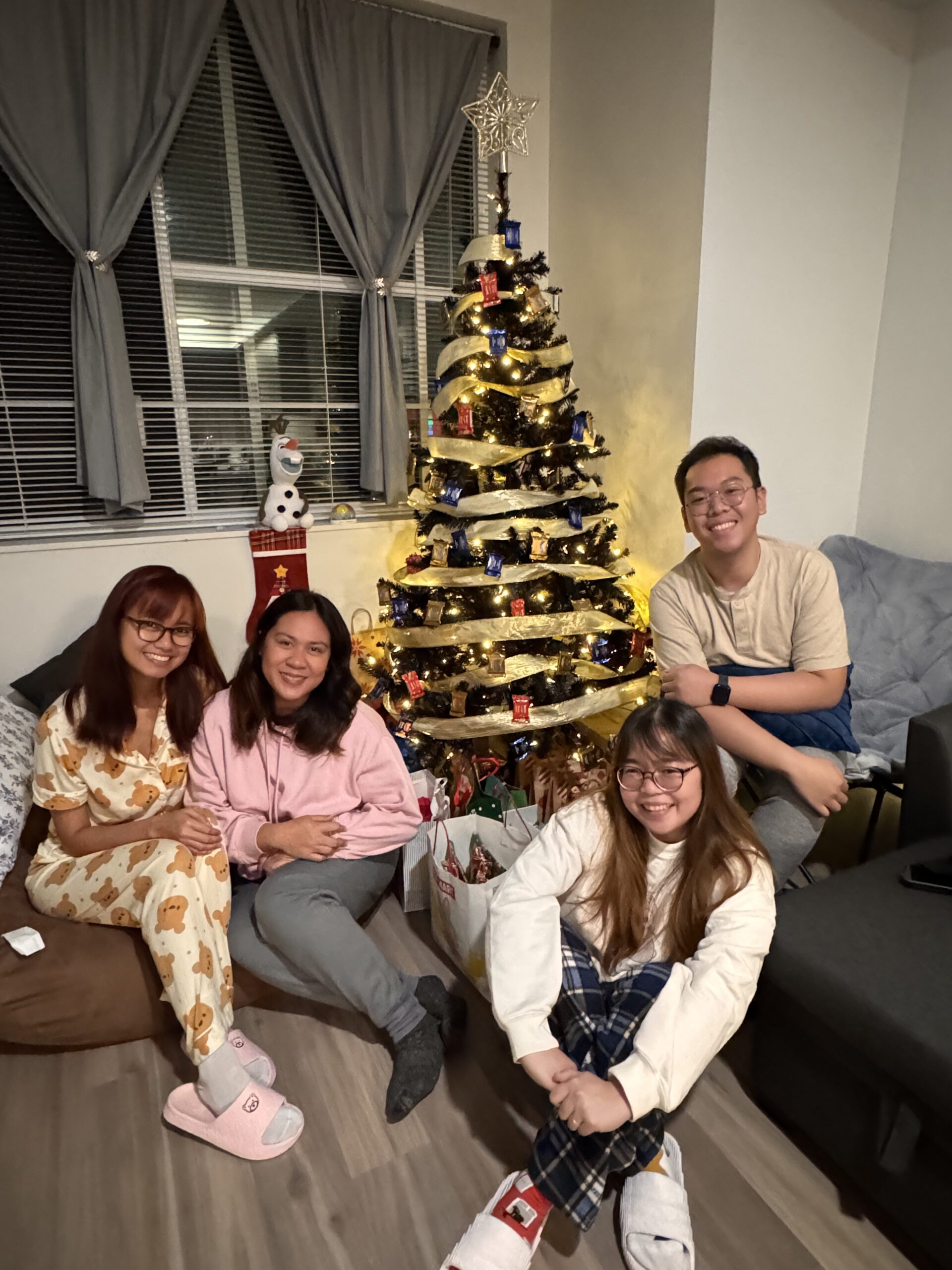
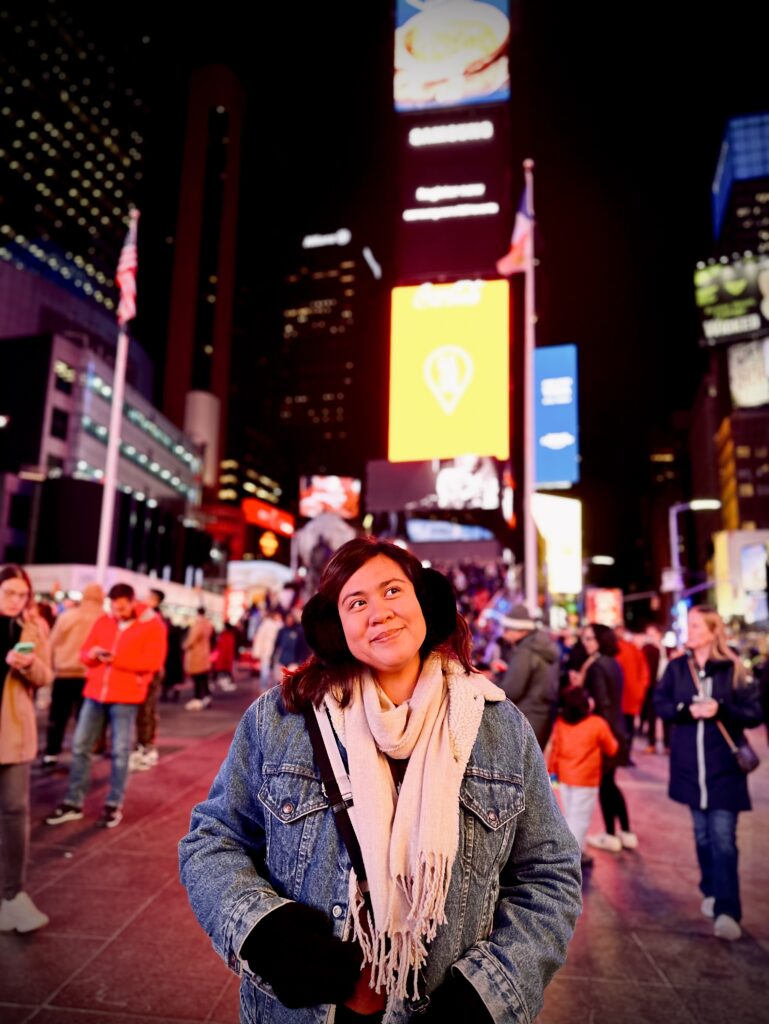
“I prayed constantly for guidance because I doubted myself more than anyone else ever did,” Christine shares with TGFM. “I questioned whether I was capable enough, strong enough, or good enough.”
She frames what came next in terms of faith. The teaching post in California was, to her, an answered prayer — a door she never imagined would open, let alone one that would change the shape of her life. The salary would help support her family back home. But the deeper draw was the chance to find out who she was when everything familiar had been stripped away.
“People often think working abroad is simply about earning more money, but for me, it was much deeper than that,” Christine says. “It was a journey of healing, growth, and discovering who I truly am.”
A classroom built on small victories
Today the former ALS instructor teaches students with autism, intellectual disabilities, and other developmental disabilities. Her school’s Alternate Pathway Program is among the first in California to let eligible students with disabilities work toward an actual high school diploma rather than a certificate of completion — a distinction that, for the families involved, carries enormous weight.
Being part of that pioneering effort ranks among the proudest chapters of her career. Christine measures progress differently than most educators do. A grade is not always the point. Sometimes the milestone is a new word spoken aloud, a first friendship, a task completed without help.
“Success isn’t always measured by grades or test scores,” the Filipina teacher says. “Sometimes success is saying a new word, making a new friend, completing a task independently, or simply believing in themselves.”
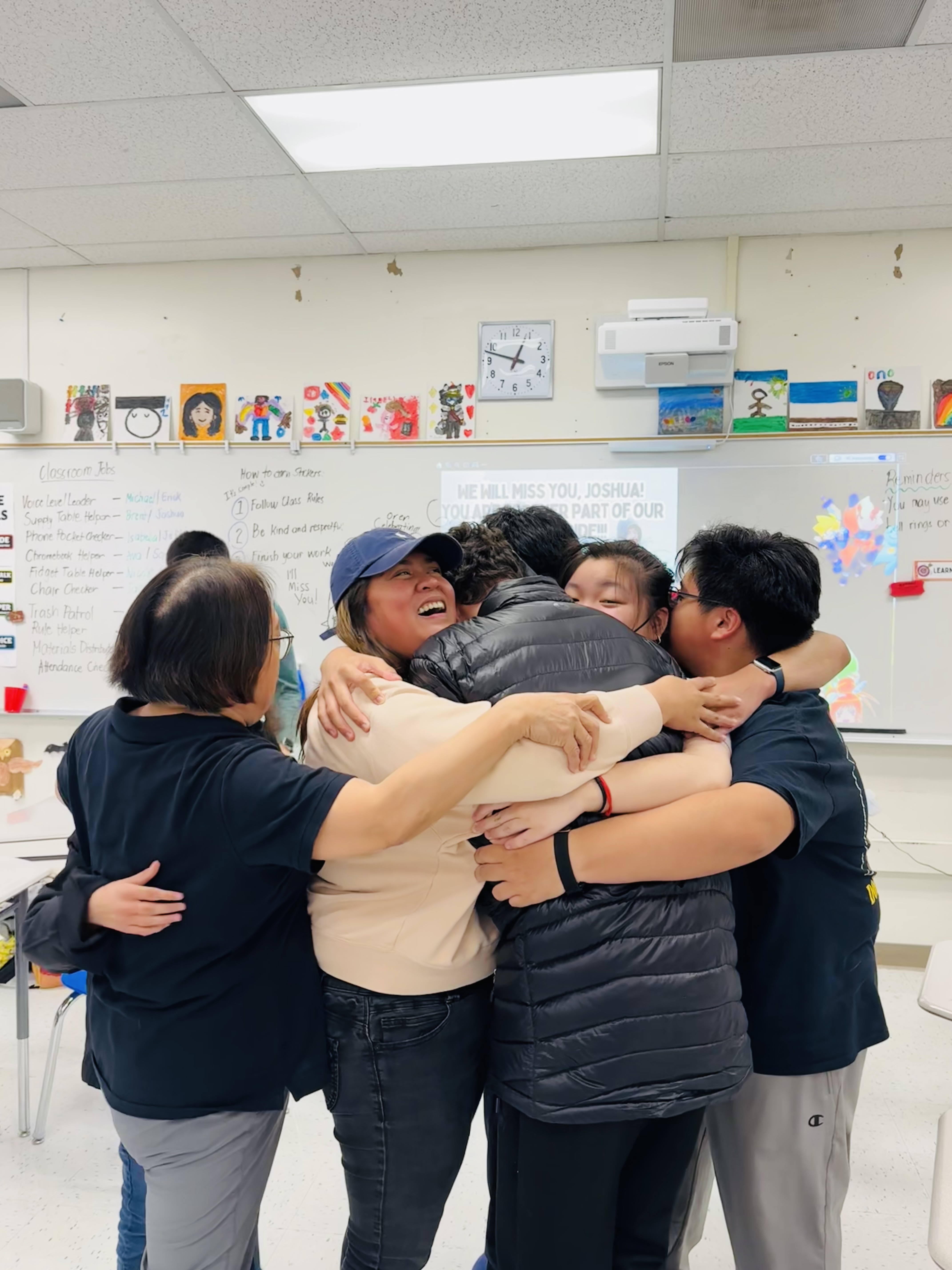
Christine’s path to this work began long before California. In the Philippines, she taught across special education schools from preschool through high school, drawn again and again to children with autism and the quiet, unglamorous triumphs that come with them. She also spent time in the Alternative Learning System, teaching out-of-school youth, adult learners, and working students — some of them older than she was.
That experience left a mark on how she sees education itself. Learning, she came to believe, has no age limit, and teaching is less about transferring facts than about loving people well and helping them find out what they are capable of.
Learning from the students she teaches
There is an irony the special education teacher returns to often: on many days, she feels she is the one being taught. Her students, she says, have shown her patience, resilience, authenticity, and a kind of unconditional acceptance that adults tend to lose along the way.

“They remind me that success isn’t always measured by grades or test scores,” Christine says of the young people who fill her days. “They inspire me far more than they will ever know.”
The American special education system surprised her, too — not for its resources alone, but for how it distributes the work of caring. Teachers, paraprofessionals, therapists, psychologists, counselors, administrators, and families all pull in the same direction, toward a single student’s success. Watching that collaboration up close, she says, stretched her as both an educator and a person.
Becoming someone new at 30
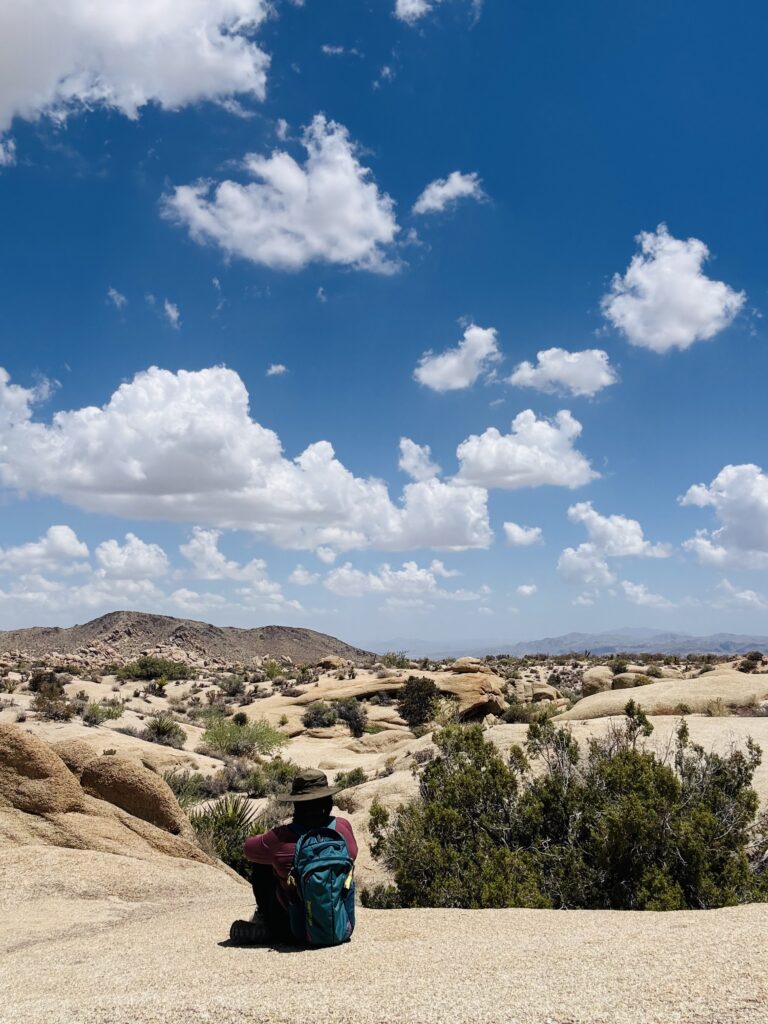
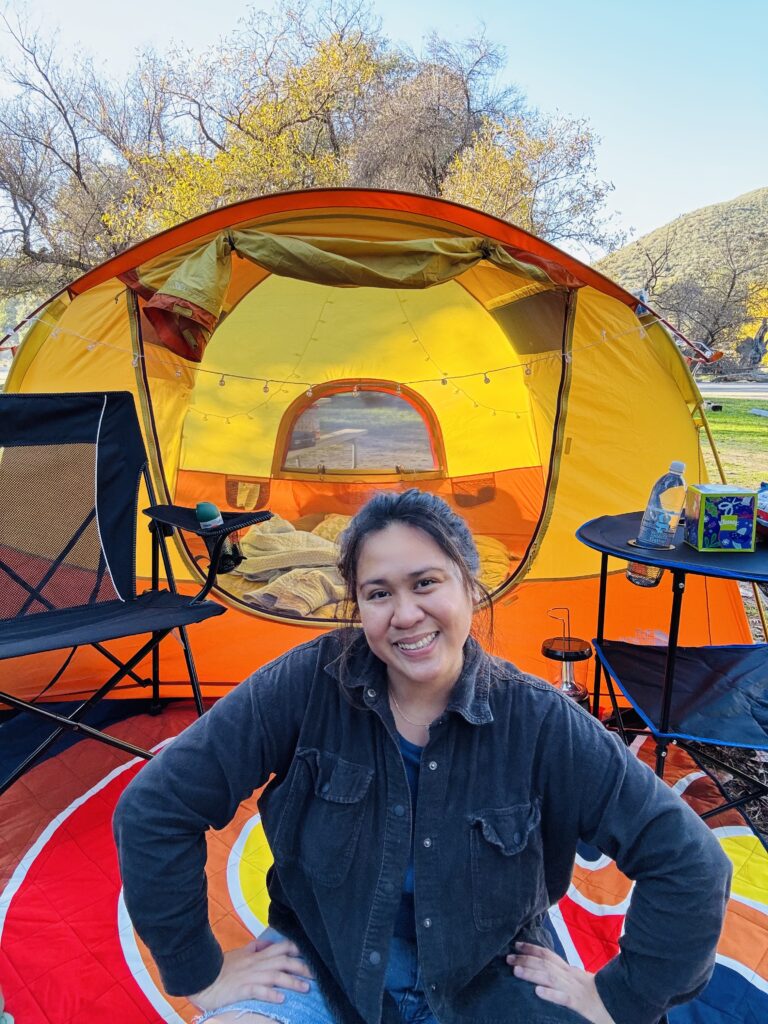
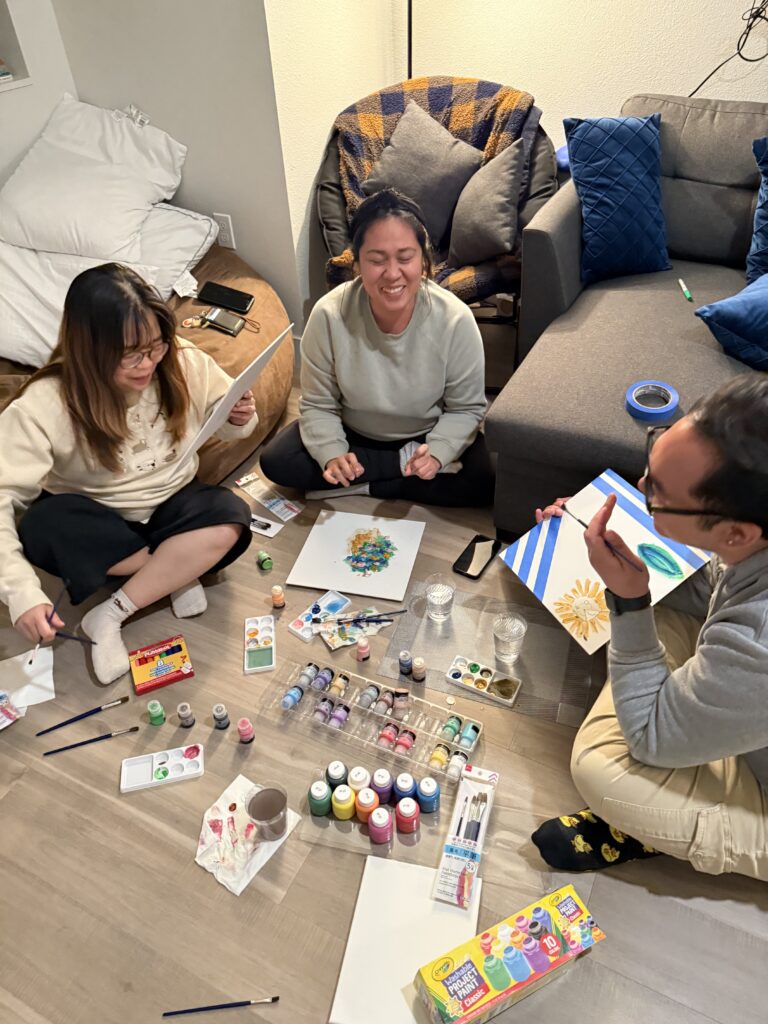
For Christine, the transformation was not only professional. For the first time in her life, she experienced genuine independence — making her own decisions, managing her own finances, stepping past the edges of her comfort zone. Along the way she picked up hobbies she never expected to love: painting, drawing, hiking, traveling, and long stretches of time outdoors.
Solitude, she discovered, was not the same as loneliness. It could be a kind of workshop for the self.
“Turning 30 taught me something important,” the former ALS instructor says. “It is never too late to rediscover yourself or begin a new chapter.”
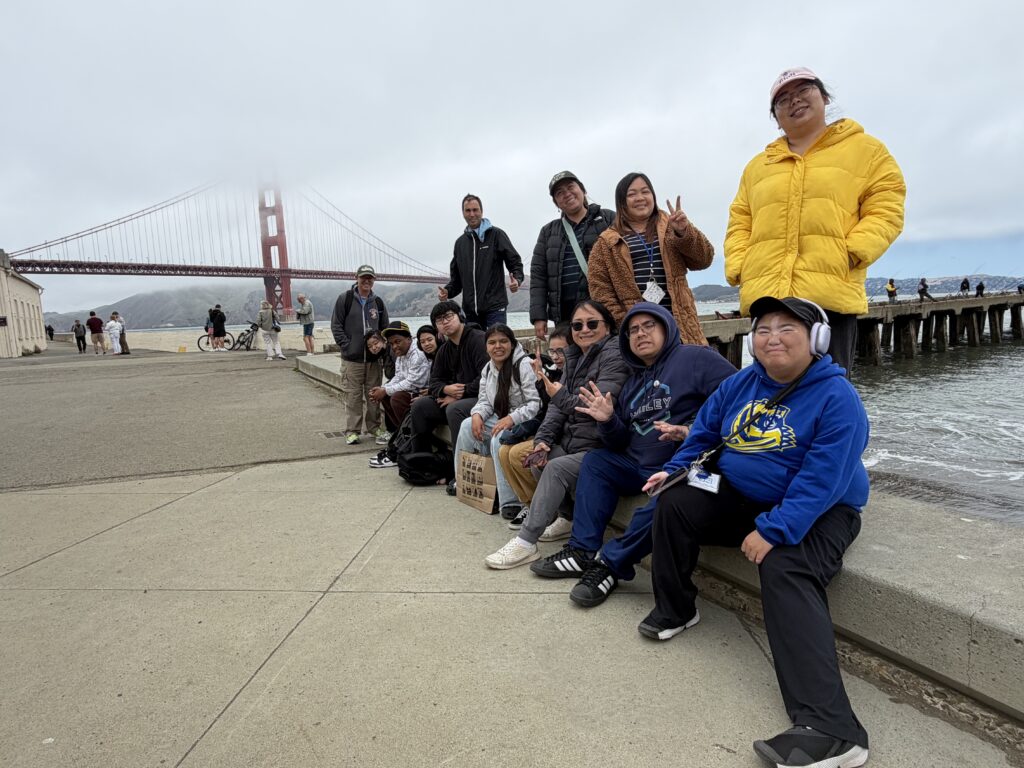
The adjustment was not seamless. There were stretches when she wondered whether she belonged, whether she could keep pace with an educational system built on entirely different assumptions. She did not face those doubts alone. Her colleagues — many of them navigating the same unfamiliar terrain — became one of her steadiest sources of support, and the Filipino school leaders who had built successful careers abroad showed her it was possible to thrive without losing herself in the process.
Carrying it home
Christine is now pursuing a master’s degree, working from the conviction that learning should never stop. Her ambitions point in two directions at once: forward, toward becoming a stronger advocate for children and young adults with disabilities, and back home, toward the country she left.
One day, she hopes to bring what she has gathered in California — the practices, the resources, the hard-earned confidence — to bear on special education in the Philippines, whether by supporting teachers or expanding opportunities for students who are too often overlooked.
“For me, success isn’t measured only by personal achievements,” she says, “but by how many lives we are able to positively impact along the way.”
For the kababayans still weighing whether to take their own first step, Christine’s advice is unfussy. Filipinos, she has noticed, tend to underestimate themselves, comparing their insides to other people’s outsides until fear does its convincing work.
“Growth begins where comfort ends,” she says. “You don’t have to be fearless — you simply have to move forward despite your fears.”
Christine does not pretend the sacrifice is invisible. She misses her family sharply, and the knowledge that her father is growing older an ocean away sits with her on the hard days. But she has come to read her own story as proof that life rarely follows the route we map for it — and that some of the largest blessings arrive wearing the disguise of an unexpected opportunity.
