



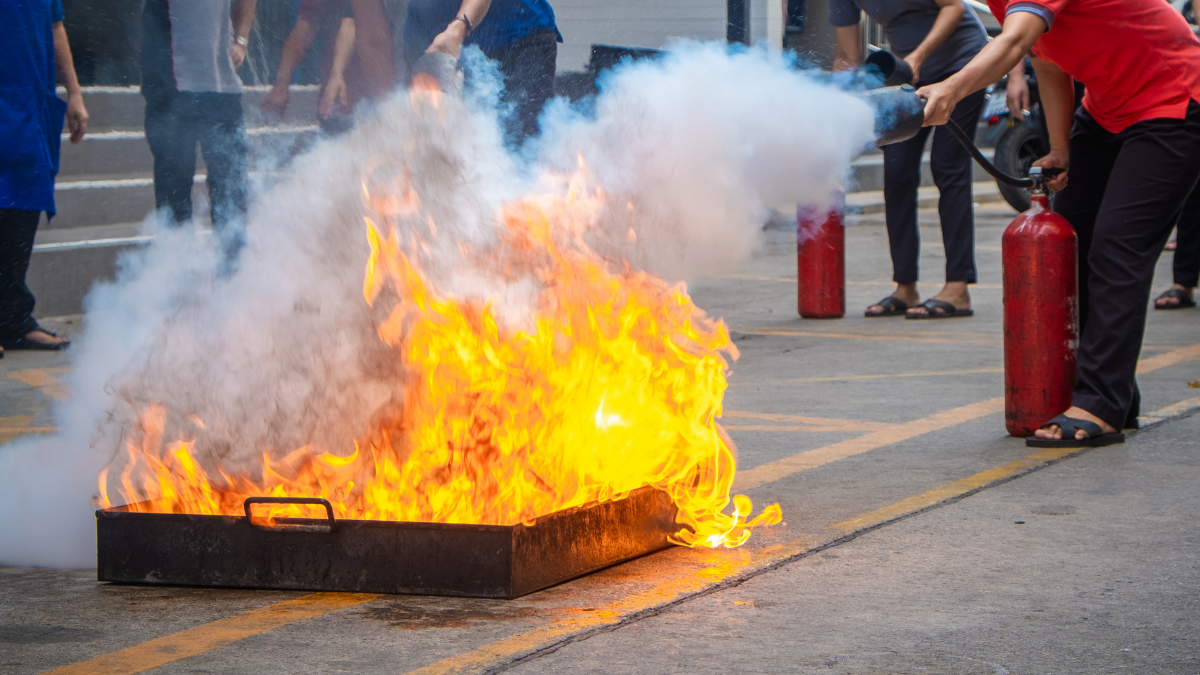

A national campaign to prepare ordinary residents for the opening moments of a crisis is underway in the UAE, with organizers setting a target of one million trained responders. Known as “Community Readiness,” the effort falls under Jaheziya, the country’s Integrated National Health Emergency Preparedness and Response Programme, and focuses on the narrow window before professional rescuers reach the scene.

Dr. Adel Abdullah Al Shammari Al Ajmi, who serves as CEO of the Zayed Giving Initiative and chairs the UAE National Jaheziya Programmes, said the campaign is meant to build a culture of preparedness so that communities can act effectively when emergencies strike.
Participation is open widely, extending to students, employees, volunteers, community groups and the general public. Those who enroll learn to deliver assistance in a safe and coordinated way during the earliest minutes of disasters, crises and other emergencies.

Instruction is structured across four tiers. The entry tier concentrates on fundamental response abilities, among them CPR, first aid, operation of automated external defibrillators, controlling bleeding, clearing a blocked airway, fire safety, evacuation procedures and psychological first aid. The next tier moves into managing an emergency scene, evaluating casualties, carrying out evacuations, handling crowds, controlling infection, providing logistical support and completing hands-on drills. The third tier readies community leaders to direct response teams, weigh risks, coordinate volunteers and supplies, reach decisions, communicate clearly and review exercises. At the top tier, participants are developed into national instructors capable of teaching response techniques, staging simulations, evaluating trainees, upholding training benchmarks and contributing to the design of national programs.
The framework draws on a coalition that spans government bodies, healthcare providers, emergency services, security and military organizations, private firms, and civil society and community groups. To align its curriculum with recognized benchmarks, the program has also formed partnerships with universities and professional training institutions in the United States, Canada, Europe, the United Kingdom, Australia and New Zealand, which assist in developing the country’s own trainers.
Professor Roberto Mugavero, president of the European Centre for Disaster Medicine, called the effort an innovative Emirati model with potential value for other nations, noting that its trained volunteers are intended to support licensed emergency professionals rather than take their place.
