



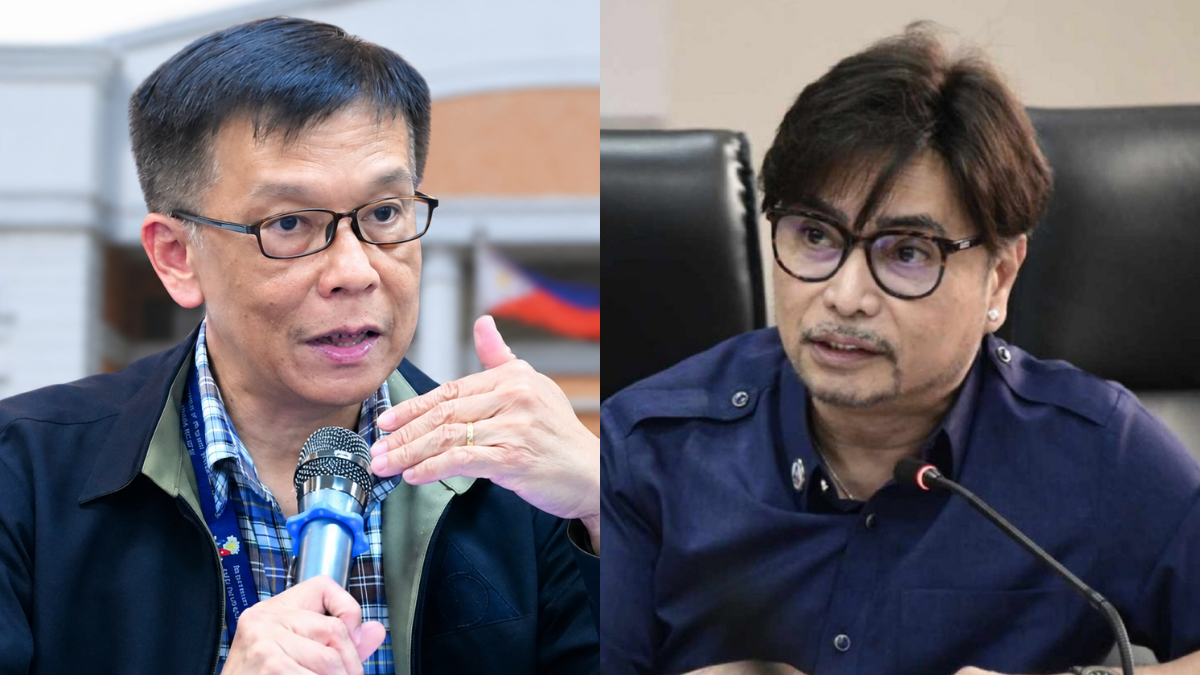

The Department of Migrant Workers will ask the Office of the Ombudsman to reconsider its dismissal of graft, malversation, and plunder complaints tied to a P1.4-billion property purchase by the Overseas Workers Welfare Administration, Secretary Hans Leo J. Cacdac announced at a press briefing held at the DMW Central Office.

The planned Motion for Reconsideration targets the portion of the Ombudsman resolution that cleared former OWWA officials and the private sellers of corruption charges. The DMW argues the ruling left out evidence the agency had submitted. “What we plan to do is to file a Motion for Reconsideration because, in our view, the Resolution did not pass upon details that we submitted to the honorable Office of the Ombudsman,” Cacdac said. “We wish for the honorable Office of the Ombudsman to review these matters,” he added.
The Department intends to build its motion around two elements it says point to graft. The first is an alleged undue advantage handed to the seller. Cacdac displayed two Land Bank checks totaling roughly P1.4 billion, each dated August 30, 2024, while the deed of absolute sale was not signed until September 12, 2024. A receipt shown at the briefing indicated the seller acknowledged the payment on September 11, 2024, a day before the signing.
“There were checks issued to the seller about 12 or almost two weeks before the signing of the absolute deed of sale,” Cacdac said. “Natanggap na ng seller yung bayad bago pa nagpirmahan ng deed of sale. We wish for the honorable Office of the Ombudsman to take a second look at this item,” he said. He tied that advantage to the rushed handling of the sale: “One is hindi dumaan sa Board. Undue haste. Minadali. Hindi dinaan sa OWWA Board.”

The second element concerns injury to the state. Folded into the P1.4-billion price were 51 condominium units valued at about P97 million, with titles registered under the Republic of the Philippines through OWWA. An inspection by the current administration found the units gone, and photos presented at the briefing showed a cleared lot and a backhoe, signs the structures had been demolished. The DMW places the resulting overpricing at a combined P198 million.
“The point here is the government paid for condominium units that no longer exist. That is the damage. That is the prejudicial part to the government,” Cacdac said. He pressed the questions the Department wants answered: “Bakit giniba? Bakit nawala? Bakit binayaran na biglang nawala?” He noted the purchase had been intended to establish a halfway house for OFWs, a purpose the units could have served, and warned that the Commission on Audit will eventually seek to account for the titles. “When the COA comes across the 51 titles of the condominium units, the first thing COA will ask is, ‘Nasaan na ho ba ito ngayon? Pwede ba ho itong puntahan?'” he said.
Cacdac stressed the motion is not aimed at any individual respondent. “This is nothing personal to any of the parties. We are duty-bound to file this Motion for Reconsideration,” he said. He affirmed the DMW’s respect for the Ombudsman’s constitutional authority and its readiness to accept a final ruling, while defending the decision to press the matter now. “But first things first, we need to bring this before him because we will be faulted if we do not sound the alarm or shine a light on this particular transaction,” Cacdac said.
The push for reconsideration comes alongside the one charge the Ombudsman did sustain: a criminal count of Usurpation of Official Functions under Article 177 of the Revised Penal Code against former OWWA Administrator Arnaldo A. “Arnell” Ignacio. Investigators found he signed the contract to sell, the deed of absolute sale, and an addendum, then approved the release of public funds without authorization from the OWWA Board of Trustees—an offense that can carry six months to four years in prison, with the Ombudsman directing prosecutors to file an Information in the proper court.
