



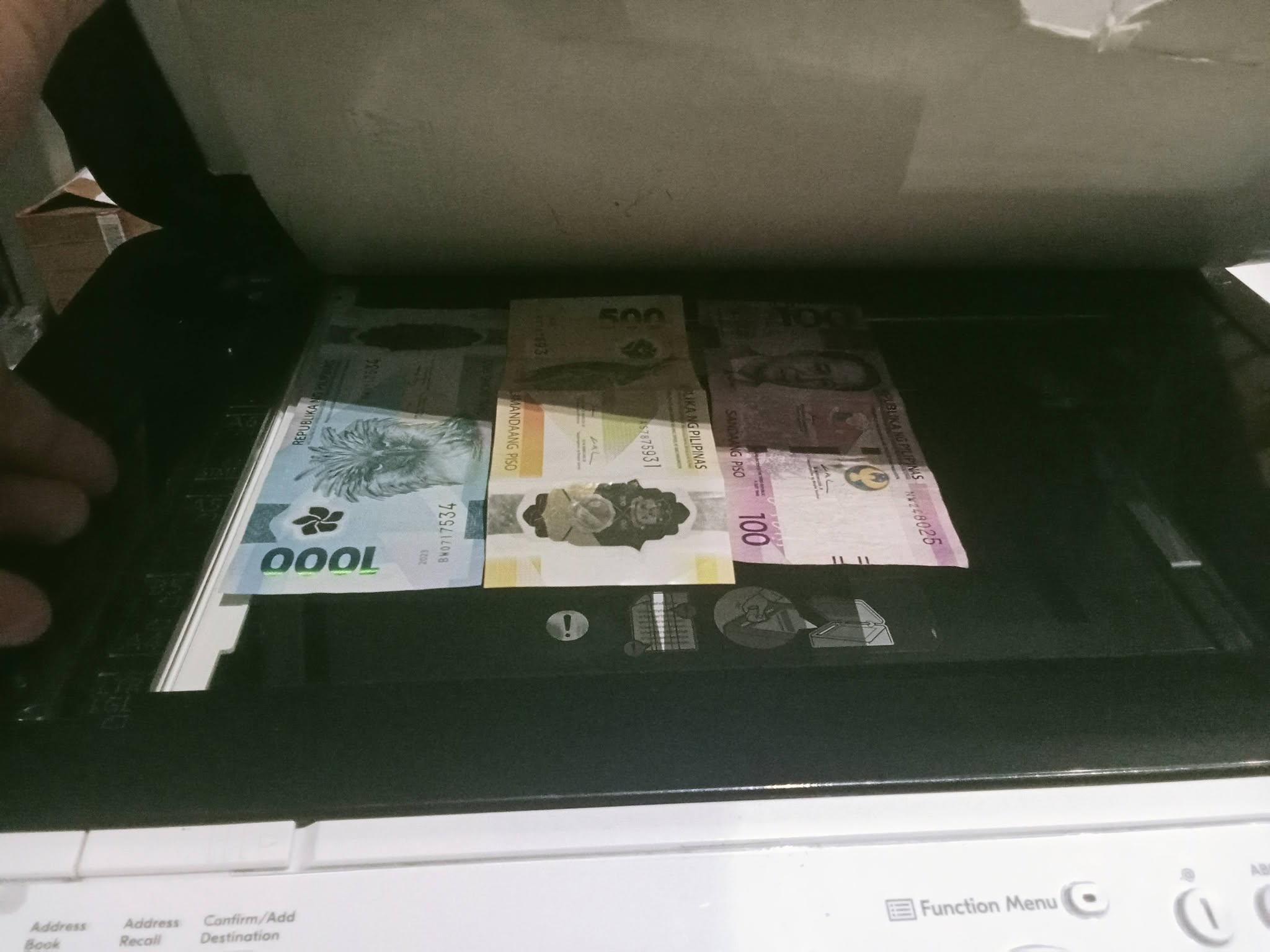

Anyone who prints, scans, or photocopies a Philippine banknote without clearance from the central bank risks five to 10 years behind bars, the Bangko Sentral ng Pilipinas (BSP) has cautioned, as a wave of mock currency images circulates across social media.

The prohibition traces to BSP Circular No. 829, issued in 2014, which bars any reproduction of a legal tender banknote—whole or partial, in black and white, in color, or in any mix of colors—unless the central bank grants prior approval. Under the rules, only the BSP or a representative it has authorized may produce and distribute the country’s currency.
Intent to spend the copy has no bearing on the offense. The BSP has emphasized that the restriction reaches any printed likeness of a peso bill, whether the material is meant as a prop, a keepsake, a piece of political commentary, or something posted online for reactions.
The renewed reminder followed a burst of posts from backers of a political camp who printed images of P1,000 notes to needle a prosecution lawyer over remarks made during the Senate impeachment trial of Vice President Sara Duterte. Rappler reported that the viral claim stemmed from private prosecutor Amando Ligutan’s statement that a photocopy is now treated as an original—words that spread widely after being lifted from their courtroom setting. Some users then argued, incorrectly, that photocopied bills could pass as spendable cash.

That reasoning collapses on two fronts. Fact-checkers noted that photocopied banknotes hold no status as legal tender and cannot settle any transaction. The evidentiary point Ligutan raised, meanwhile, belongs to an entirely separate area of law: Section 4(c) of the 2019 Revised Rules on Evidence permits an accurate duplicate of a document to stand in for the original when its authenticity is not genuinely disputed—a rule that governs court exhibits, not banknotes.
There is room for lawful reproduction, but only through a formal channel. The central bank may sign off on copying banknote images for educational, historical, numismatic, or newsworthy uses, along with other legitimate aims that uphold the integrity and dignity of the currency. Requests for such clearance go to the BSP’s Payments and Currency Investigation Group.
The agency has moved on similar cases before. Its January 2022 advisory came on the heels of an arrest—carried out by the National Bureau of Investigation alongside the same investigation group—of a suspect accused of peddling cash envelopes bearing the design of the P1,000 New Generation Currency note.
