
The application was already submitted, the essays written, the documents scanned and uploaded. Then May arrived with an interview invitation, and the woman who had clicked through a Facebook group months earlier on a whim found herself hoping, quietly, that nothing would come of it.

Lea Angela de Guzman had talked herself out of it. She was comfortable. Her students in the Philippine public school system knew her. The classroom was familiar, the commute predictable, the future safe enough. “Maybe this isn’t for me,” she remembers thinking. “Maybe I’m not ready.”
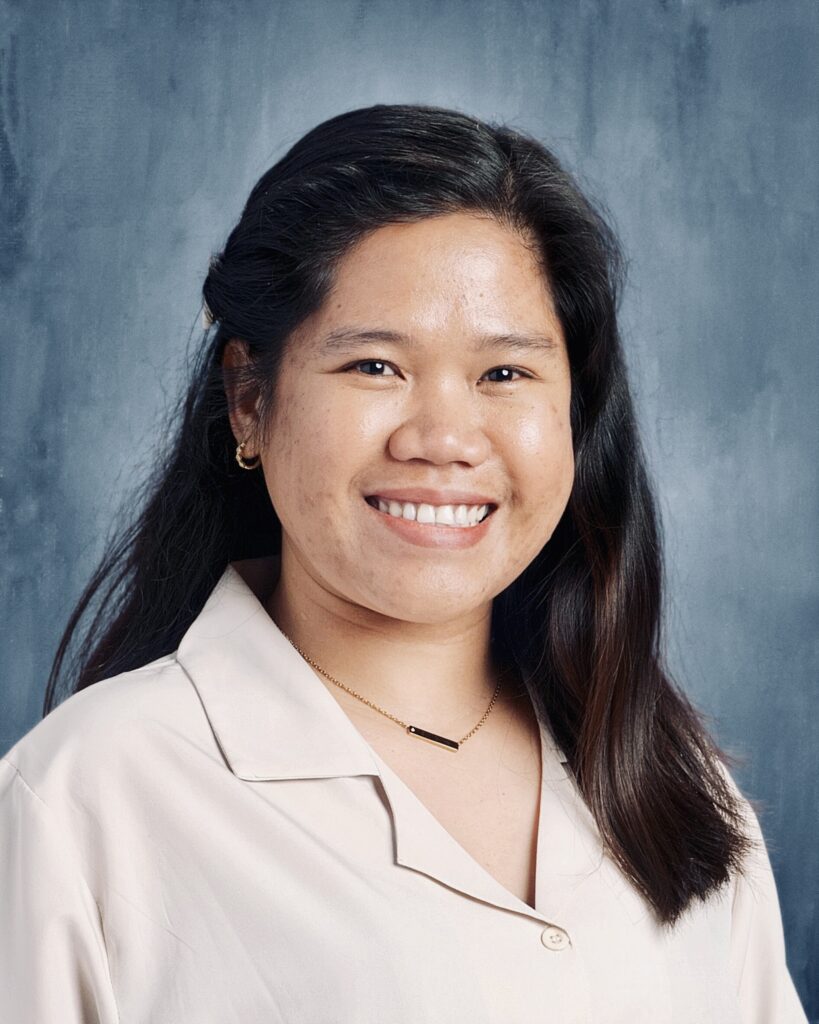
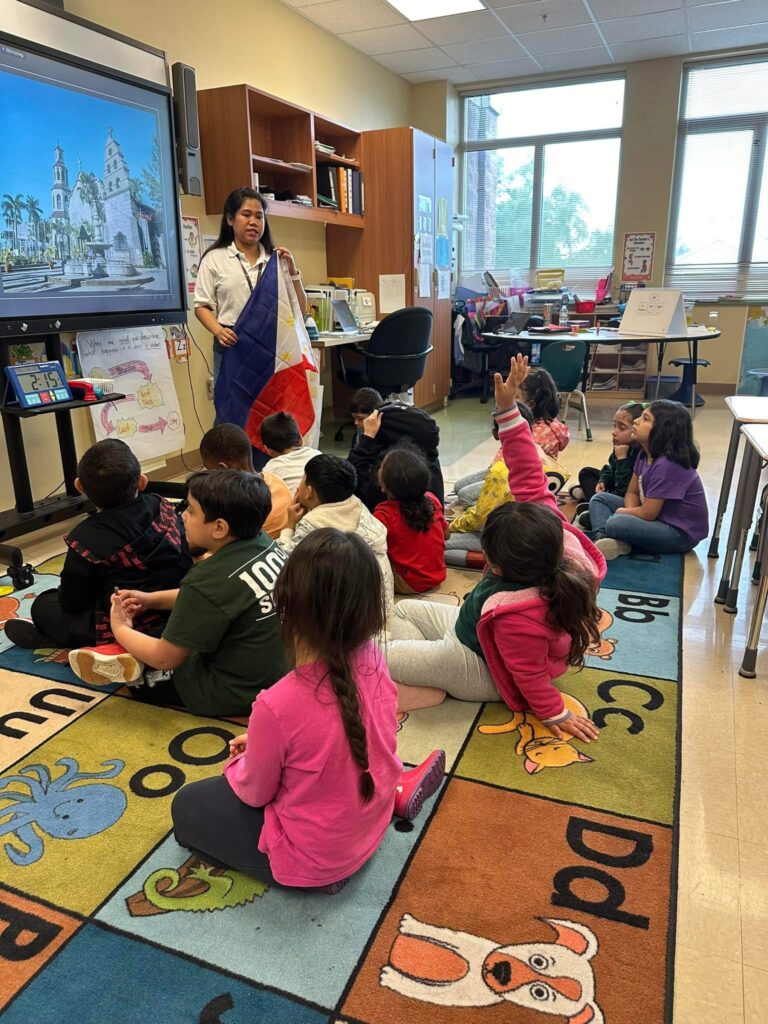
Four years later, she is a 4th Grade Self-Contained Teacher at Patterson Elementary School under the Houston Independent School District in Texas, teaching every core subject to a classroom that includes Emergent Bilingual and Special Education students. She is entering her fifth and final year on a J-1 visa. And she still describes herself, without irony, as quiet, shy, and an introvert.
A prayer that wouldn’t let go
The path to Houston did not begin with ambition. It began with exhaustion.
“It all started after the COVID-19 pandemic,” Lea says. “Like many people, I felt overwhelmed by all the changes happening around me.” One evening she went home uncertain about what came next and opened a browser. Thailand, maybe. Japan. Somewhere close enough to fly home in a few hours.
Then a Facebook group for J-1 teachers in the United States appeared in her feed. One click led to another. She applied directly, without an agency, in January.
By the time the interview invitation arrived in May, the impulse had cooled into second thoughts. What pulled her forward was something she had said aloud months before, almost carelessly, the way people bargain when they are not sure anyone is listening.
“Lord, if I pass my first interview, I will take it as Your sign that I can do this and that You will carry me through this journey without any major problems.”
She passed. The 34-year-old from Agoo, La Union, has treated that sentence as a binding contract ever since.
The cost nobody warns you about
The teaching part was never what frightened her. She had begun at Notre Dame Institute in 2012, handling English for Grade 7 and Grade 8 students, and moved into the Philippine public school system afterward, taking on leadership roles and mentoring alongside her classroom load.
What she had never done was leave.
“This was the first time in my life that I had been away from my family,” Lea says. Houston in 2022 meant a different educational system, an unfamiliar classroom culture, and a calendar that filled with absences — birthdays, holidays, ordinary family dinners she had never once thought of as remarkable until she was watching them happen on a phone screen from another hemisphere.
The professional adjustment ran alongside the personal one. A self-contained classroom in Houston ISD meant teaching every subject to students whose needs varied enormously. Emergent Bilingual learners arrived with English still forming. Special Education students needed instruction shaped around them individually rather than delivered to a room.

“Teaching students from different backgrounds required me to continuously learn, adapt, and grow,” she says. She kept returning to the same line, the one she had prayed before the first interview: if God had opened this door, He would give her the strength to walk through it.
What the awards are actually for
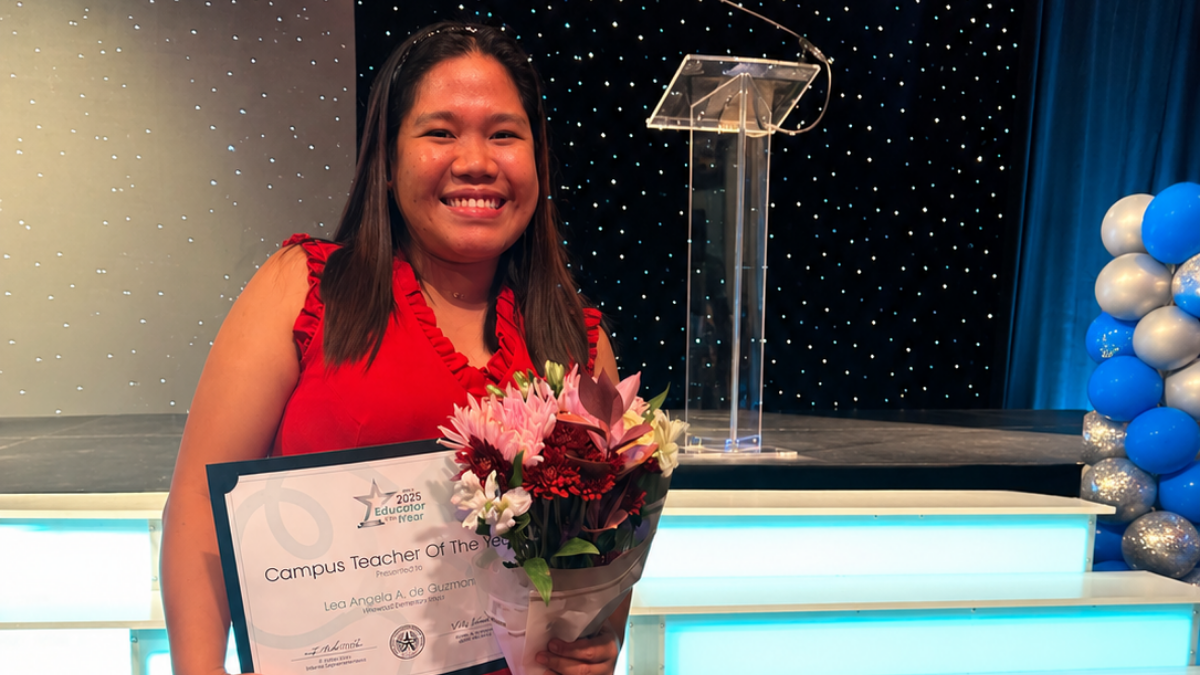
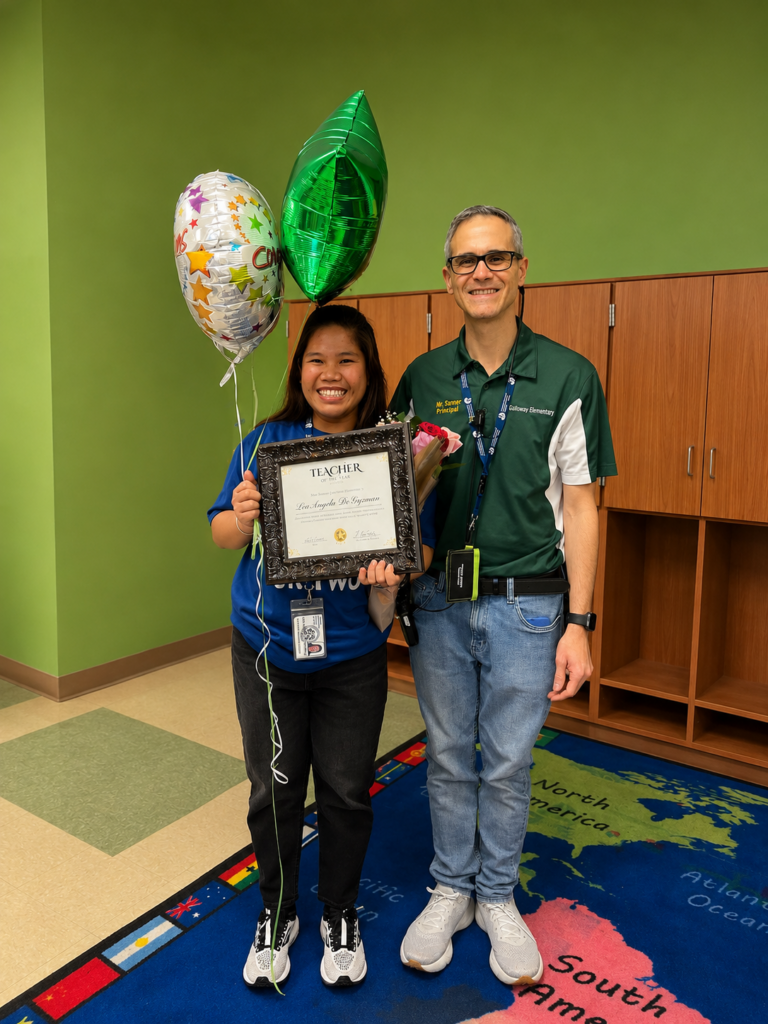
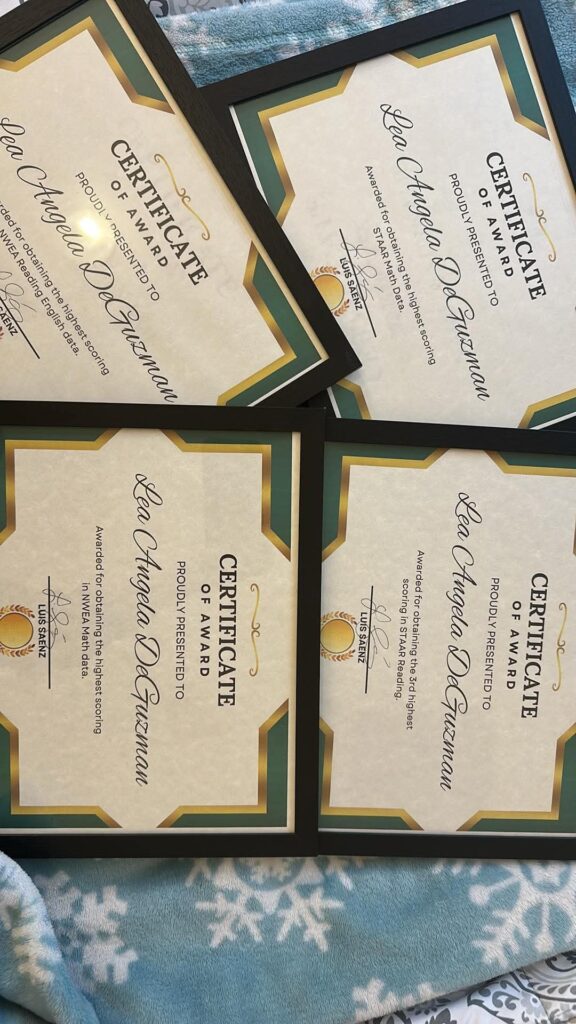
Last school year, the Filipina teacher was named Teacher of the Year. This year brought a TEA Recognized designation, and her students posted some of the strongest academic results on campus — highest scoring NWEA Math and Reading, highest scoring STAAR Math, third highest STAAR Reading.
She talks about none of it the way a résumé would.
“The most fulfilling part of my work is witnessing my students grow — not only academically but also emotionally and personally,” Lea says. Many arrive in September short on confidence, carrying learning challenges they have already internalized as verdicts. Watching a child revise that verdict is, she insists, the whole point. “Every smile, every breakthrough, and every ‘I did it!’ reminds me why I chose this career.”
Pressed on the recognition, she redistributes it. “Every award I receive is not mine alone. It belongs to my family, who supported me even when it meant letting me go. It belongs to my students, who inspire me to become a better teacher every day.”
There is a version of this story where the awards are the ending. She rejects that version outright. “The greatest blessing was never the awards themselves. It was becoming the person God was preparing me to be all along.”
Proof, and what comes next
Ask why she left and she gives the answer thousands of Overseas Filipino Workers give — better opportunities, financial and professional both, and a future she could build for herself and her family. But she adds something sharper.
“I wanted to prove to myself that Filipino teachers can thrive anywhere in the world.”
She believes she has her evidence now, and not only her own. “Filipino educators are highly respected around the world because of our dedication, work ethic, and genuine care for our students,” she says.
The final J-1 year is ahead, and after that the question opens again. Stay abroad, or come home. She is not committing publicly to either. What she will commit to is mentoring — aspiring teachers who want to try what she almost talked herself out of trying.
Her advice to them sounds simple until you consider where it came from.
“Believe in yourself even when you are afraid,” she says. “There will be days when you miss home, question your decisions, and feel like giving up. During those moments, remember why you started.”
And one more thing, offered by a woman who spent a spring hoping the email would never come: “Sometimes the journey is difficult because He is preparing you for something far greater than you can imagine.”