




Destinations that keep their halal services offline may soon vanish from the recommendation lists travelers rely on, according to the eleventh edition of the Global Muslim Travel Index, which found that algorithmic visibility is fast overtaking physical readiness as the deciding factor in where Muslim tourists go.

The index, jointly produced by Mastercard and CrescentRating, warns that a destination can offer excellent halal dining and prayer facilities yet still be passed over if that information is not machine-readable, current, and available in the digital channels travelers now consult. Four in five travelers surveyed said they already turn to AI tools when researching or organizing a trip, using them to locate restaurants, find prayer spaces, weigh transport options, and receive tailored suggestions during their journeys.
That reliance carries particular weight for Muslim travelers, who frequently need to confirm several faith-based requirements at each stage of a trip. GMTI 2026 frames the resulting contest as one of digital discoverability: destinations that publish accurate, regularly updated information in formats AI systems can read are positioned to turn interest into actual bookings, while those that neglect to digitize their offerings risk exclusion from the platforms shaping travel decisions.
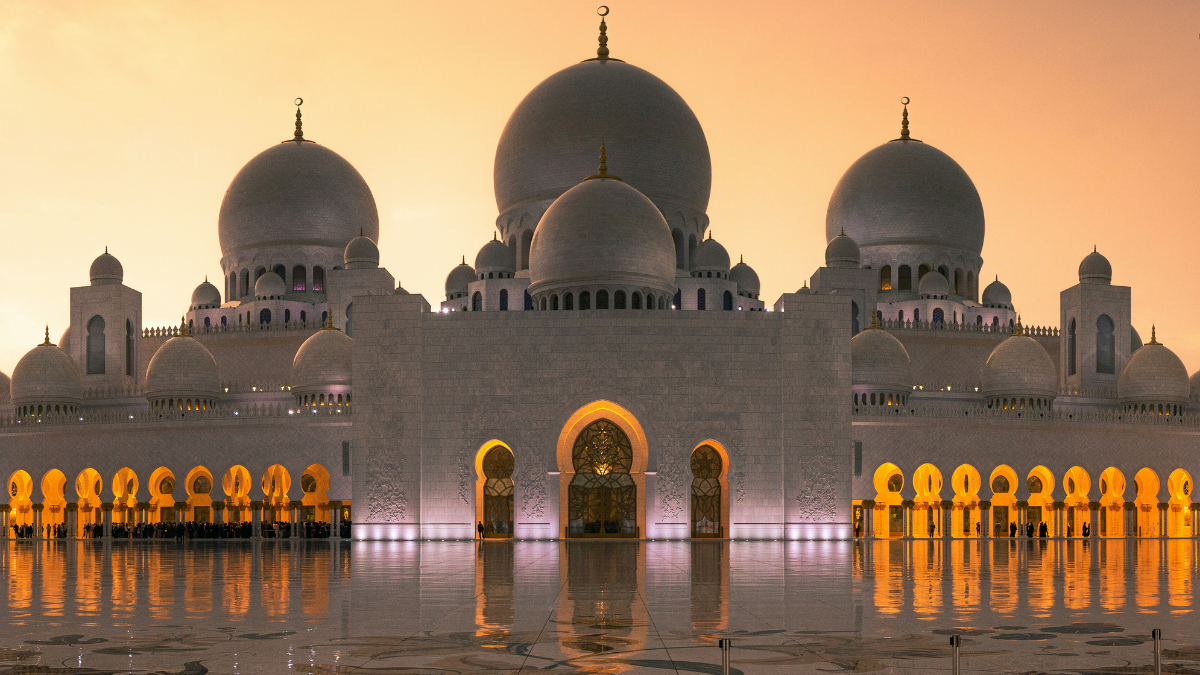
The UAE was placed sixth overall with a score of 75, landing among the 27 destinations grouped in the report’s Trailblazers quadrant. The country retained its standing as one of the most accessible destinations, credited with strong air and land links, well-regarded airports, dependable public transit, and straightforward visa arrangements. It posted a perfect score of 100 for the availability of halal dining and prayer facilities.

Even as real-time translation and other digital tools spread, the report stressed that human assistance and native-language support remain essential, especially in Arabic and English. On this measure the UAE drew recognition for multilingual service delivered through trained frontline staff, dedicated tourism portals, clear transit signage, and detailed travel guides that help visitors move through services while feeling respected and included.
The report evaluated 150 destinations that together account for more than 98 percent of global Muslim visitor arrivals, applying the Access, Communications, Environment and Services framework alongside new indicators covering AI readiness, smart infrastructure, traveler confidence, and resilience planning. This edition also debuts the Destination Activation Stack, a model that layers three frameworks: ACES for foundational readiness, RIDA for responsible and digitally assured experiences, and TRUST for the signals that push interest toward a confirmed booking.
Behavior on the demand side is shifting as well. Rising fuel prices, geopolitical strain, airspace disruptions, and security worries are steering travelers toward closer and more predictable destinations, a pattern the report labels “home-continent” mobility. Rather than abandoning trips outright, many are reworking their itineraries around regional corridors that promise steadier conditions and less friction than long-haul routes through congested transit hubs.
The forecasts underpinning the report point to sustained expansion: international Muslim arrivals are expected to climb to 208 million this year from 196 million in 2025, then reach 262 million by 2030, with annual spending projected to hit an estimated $310 billion by the end of the decade.
