



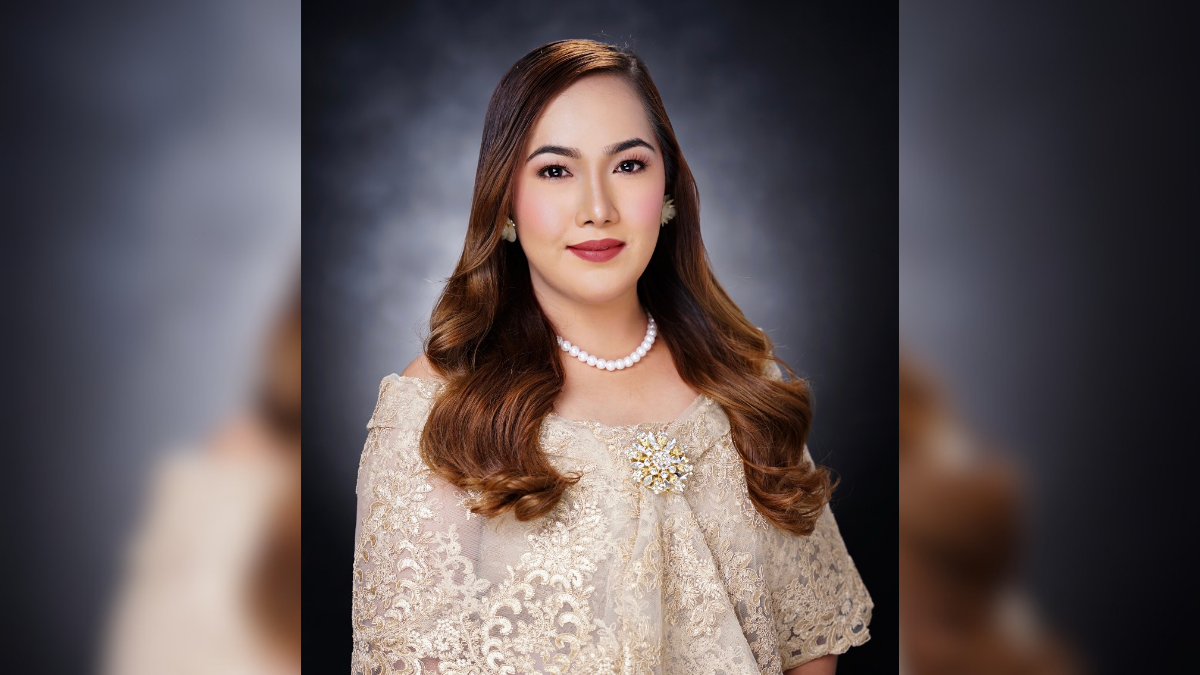

Fifty minutes a day on foot, split between a morning walk in the Texas heat and an evening one home again — that was the commute for the first stretch of a new life abroad. No car, an apartment bare except for the essentials, every dollar accounted for. Aimee Grama did not arrive in the United States to a soft landing. She arrived to a beginning, and beginnings, she would learn, are rarely comfortable.

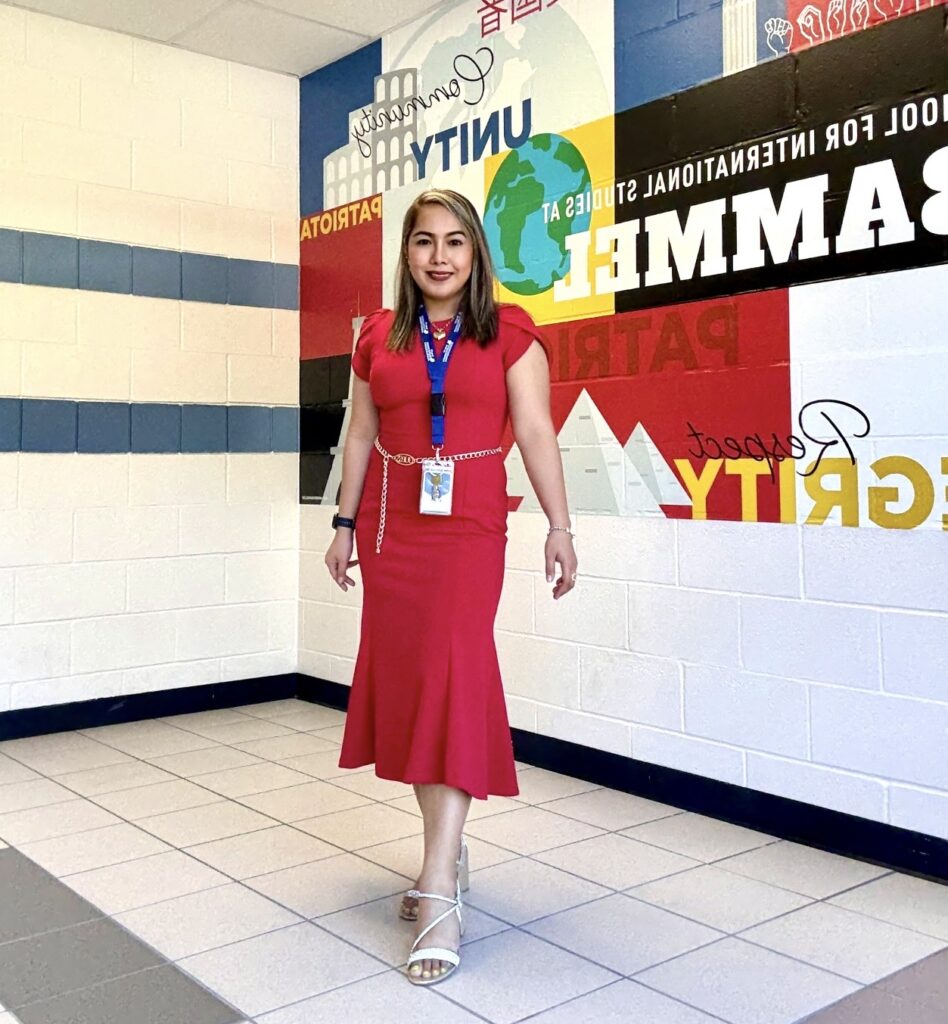
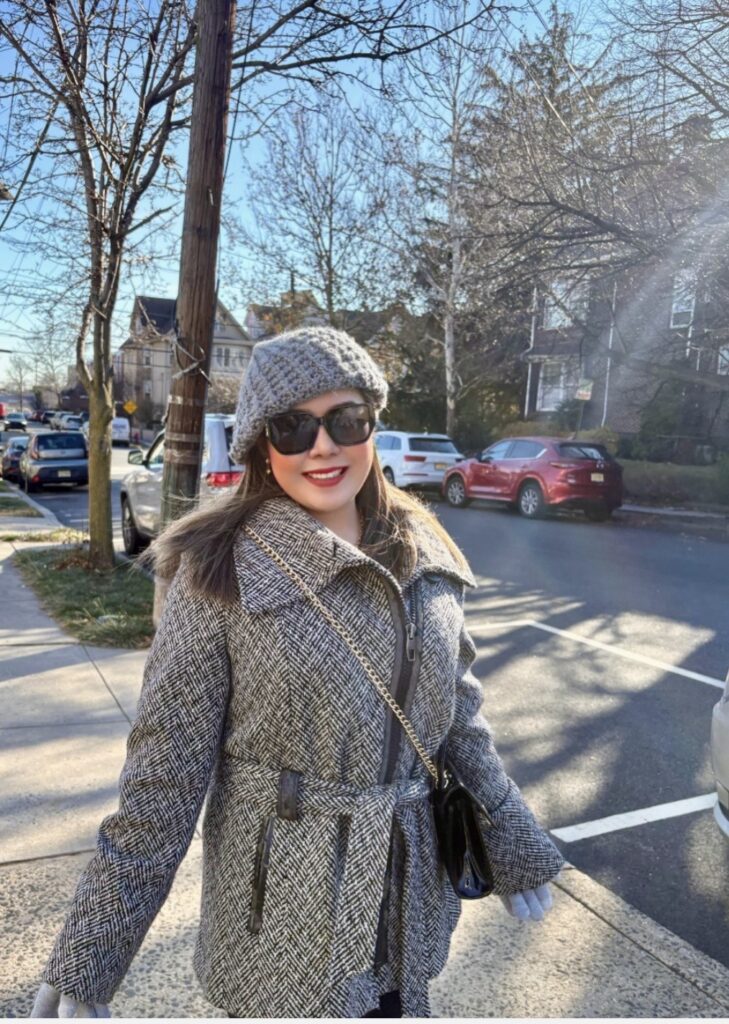
Today the 29-year-old teaches sixth-grade science at Bammel Middle School in Texas, one year into an assignment that started under the J-1 Teacher Exchange Program in 2025. It is her first teaching post outside the Philippines. To hear her describe the work is to hear someone who measures a school day not in bells but in small shifts of confidence in a child’s face. “There is no greater fulfillment than watching a student who once doubted themselves begin to ask questions, solve problems, and believe in their own potential,” she shares with TGFM.
But the road to that classroom ran through a stripped-down apartment, a long daily walk, and more than a few nights of quiet doubt.
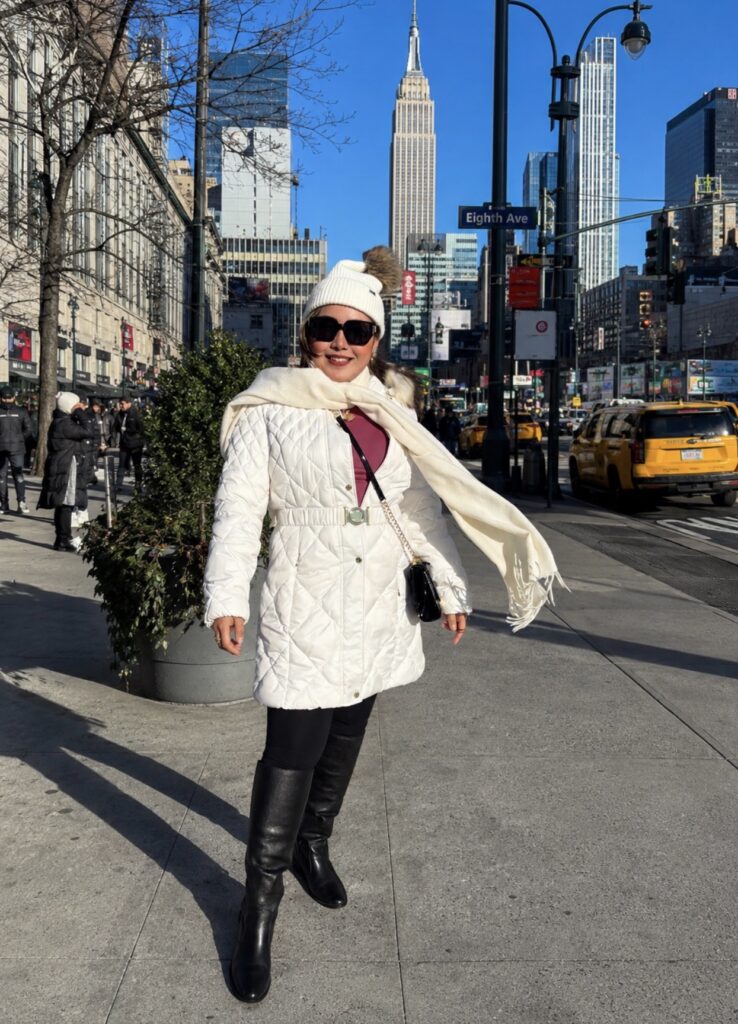
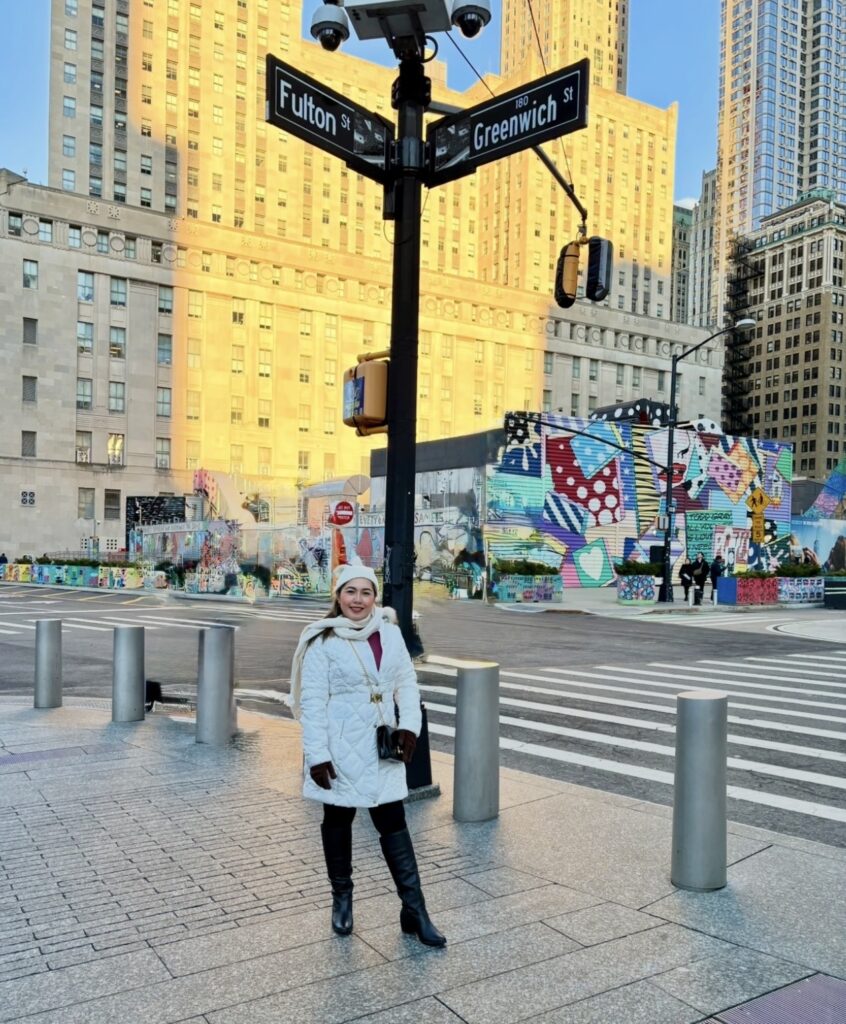
Leaving a sure thing
Before Texas, there was Mayamot National High School in the Philippines, where Aimee taught science under the Department of Education for two years. It was steady. It was hers. And she gave it up on purpose.
“Pursuing opportunities overseas meant starting over from the beginning,” she recalls. “It was a decision filled with uncertainty, but I believed that meaningful growth often requires difficult choices.” That framing — growth as something you have to reach for rather than wait for — runs through everything she says about the move. She did not leave a good job because the job was bad. She left because she wanted to find out what kind of educator she could become somewhere unfamiliar.
Her reasoning carried a second weight, too, one that has nothing to do with career ladders. As a Filipino teacher stepping into an American classroom, she saw herself standing in for something larger. “Every lesson I teach, every student I encourage, and every challenge I overcome reflects not only my personal journey but also the dedication of Filipino teachers who continue to inspire learners around the world,” she says. It is the kind of line that could read as a slogan, except that she seems to genuinely carry it into the room with her each morning.
The early months tested whether the belief could survive contact with reality. Money was tight enough that furniture was a luxury she postponed. “My apartment was almost empty because I had no furniture except for the basic necessities,” she says. Rather than dwell on the emptiness, she reframed it. “Instead of focusing on what I lacked, I reminded myself that every successful journey begins with humble beginnings.”
Then there were the walks. Twenty-five minutes each way, on foot, in whatever the sky decided to do that day. She could have let those walks become a daily grievance. Instead they became something closer to a ritual. “Those walks became moments of reflection,” she says. “Instead of complaining, I used that time to pray, gather my thoughts, and remind myself why I chose this path. Every step became a reminder that I was walking toward a better future.”
What the report cards don’t show
Ask her what she loves about the job and she does not reach for curriculum standards. She reaches for the moment a hesitant kid decides to raise a hand.
The former Mayamot science teacher chose the field because she believes education changes lives, and science in particular teaches a specific kind of courage — the willingness to ask, to test, to be wrong on the way to being right. “Science, in particular, teaches students to think critically, seek evidence, embrace curiosity, and understand the world with wonder rather than fear,” she says. She did not want to be the teacher who helped students pass a test and forget it. She wanted to be the one who made science feel like something worth being curious about for the rest of their lives.
Teaching abroad sharpened that sense of purpose rather than diluting it. Standing in an American classroom as a Filipina educator, she found that the things she cared about most did not need translation. “Passion, dedication, and compassion transcend borders,” she says. The students came from backgrounds different from her own and from one another’s, and that diversity became part of the appeal rather than an obstacle to it.
The part of the work that stays with her is the part that never appears in a grade book. “It is seeing hesitant learners become confident thinkers, quiet students find their voices, and young minds develop a genuine love for learning,” she says. “Those moments may not always appear on report cards, but they are the true measure of a teacher’s impact.” She returns to this idea often, almost as a personal standard: if a student someday remembers her less for the science and more for believing in them when they needed it, she will consider the job done.
The résumé behind the classroom

It would be easy to file Aimee as a first-year exchange teacher and leave it there. The fuller picture is of someone who has been quietly stacking accomplishments while adjusting to a new country.
In the Philippines, her work extended well past the classroom walls. As a member of the Boy Scouts of the Philippines and various science educators’ organizations, she took part in activities built around leadership, environmental stewardship, and community involvement. “Education is not confined within classroom walls,” she says. “It is also built through service, collaboration, and positive role modeling.” The extracurricular work was not a line item for her; it was an extension of the same belief that pulls her into the classroom each day.
In 2025 she completed a Master of Arts in Education at the Palompon Institute of Technology, where her research earned a Best Thesis Award. She is now pursuing a Doctor of Philosophy in Education with a major in science — a workload she is carrying on top of a full teaching schedule in a foreign country. And somewhere in the middle of all that, she wrote a book.
Teacher Between Two Worlds: Navigating Science Education in an American Classroom, published on Amazon, is her attempt to put the unglamorous parts of the journey on the record — the adjustment, the doubt, the slow work of adapting to a different educational system. “Through this book, I share the realities, challenges, and lessons I have experienced as a Filipino teacher adapting to a new educational system abroad,” she says. Her hope for it is characteristically outward-facing: that another teacher, somewhere, will pick it up and feel a little less alone before their own leap.
Faith, family, and the refusal to quit
The hardest parts of the story are the ones that don’t fit neatly into a career timeline. Adapting to a new educational system and a new culture did not just tire her out; it made her question whether she belonged at all. “There were moments when I questioned whether I was good enough or whether I truly belonged,” she admits — a rare, unvarnished line from someone who tends to speak in terms of purpose and growth.
What she did with that doubt is the closest thing this story has to a turning point. She refused to let it settle. “Rather than allowing fear to define me, I chose to learn, ask questions, accept feedback, and keep improving every day,” she says. “Resilience is not about never struggling, it is about refusing to give up despite the struggle.”
Two things held her steady. The first was faith. “In moments of uncertainty, prayer gave me peace, direction, and the courage to keep moving forward,” she says. The second was family, cheering her on from thousands of miles away and reminding her why she had left in the first place. She also leaned on the example of experienced mentors — proof, she says, that “every accomplished teacher once stood exactly where I was, facing challenges, making sacrifices, and choosing not to quit.”
Looking back now, she does not describe the empty apartment and the long walks as things she survived. She describes them as the foundation she was standing on the whole time. “I see those long walks, financial sacrifices, and uncertain beginnings not as obstacles, but as the foundation of the person and educator I have become,” she says.
Carrying it home
For all that the United States has given her, her sightline keeps bending back toward the Philippines. When the assignment ends, she wants to return with more than stamps in a passport. “My greatest goal is to return home not only with experience but with knowledge, wisdom, and a renewed sense of purpose,” she says. The plan is to bring the best of what she has learned into Philippine science education — to be, as she puts it, a bridge between global best practices and the realities of classrooms back home.
That ambition has a shape to it. As she finishes her doctorate, she hopes to move into teacher education, research, and educational leadership, helping to train the science teachers who come after her. She wants to keep writing, too, adding to the book she has already published with more resources for teachers who are just starting out or preparing to work abroad. And she wants to widen her advocacy toward children with limited access to education — through donated supplies, science activities, mentorship, whatever gives a young learner a fairer shot.
To Filipinos navigating the same distance she has, her advice is honest about the cost. “Behind the smiles we post on social media are moments of loneliness, homesickness, self-doubt, and sacrifices that only those who have lived far from home can truly understand,” she says. She urges caution with money in those first fragile months, sincerity in friendships, and patience with the version of yourself that feels less capable in a new place. “Your greatest competition is not another person,” she says. “It is the person you were yesterday.”
She is clear-eyed, too, about what success should and shouldn’t cost. “Do not become so busy earning a living that you forget to truly live,” she says — an unexpected note of restraint from someone with a doctorate, a book, and a full teaching load all in motion at once.
If there is a single idea she wants to leave people with, it is that the applause rarely reaches the effort underneath it. “People often celebrate the success but rarely see the sacrifices that made it possible,” she says. The private tears, the homesickness, the quiet decisions to keep going when no one was watching — those, more than any award, are what built the teacher now standing at the front of a Texas classroom. For her, the measure of the whole journey was never the distance covered. It was the willingness to take the next step when the destination was still out of sight.
