



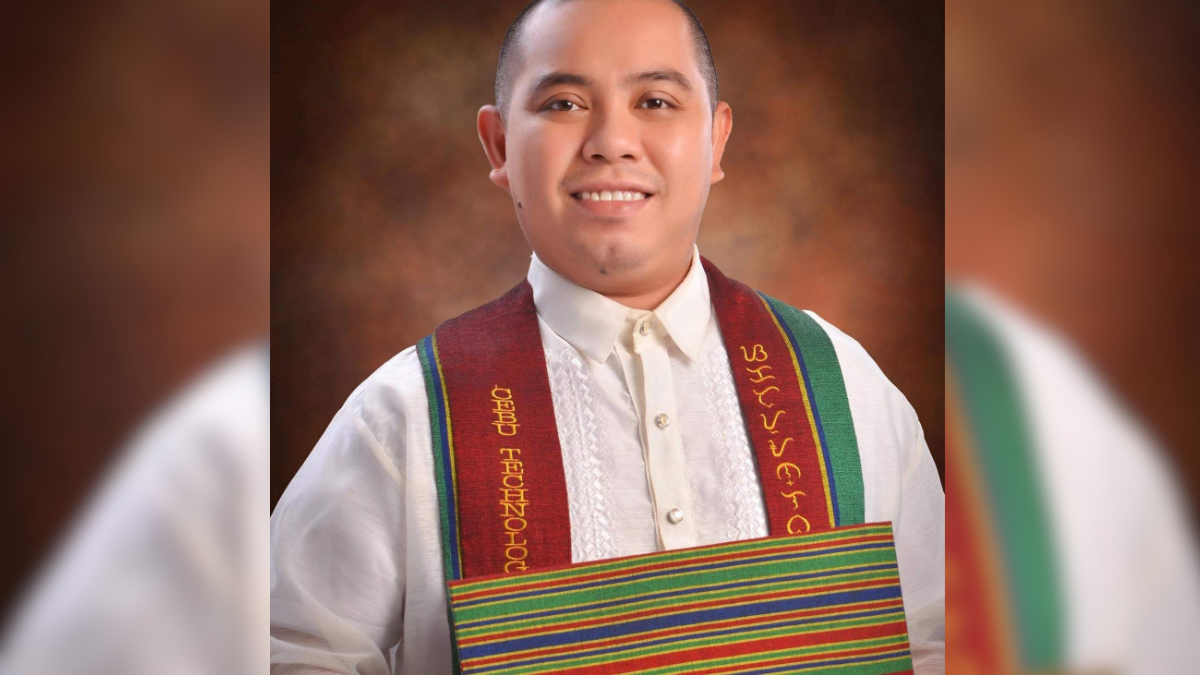

Fifteen years is long enough to master a job, earn a reputation, and settle into the comfort that usually keeps a career anchored in one place. Allen Vincent A. Chavez had all three in Cebu — and then walked away from them to start over at the bottom of a new system, in a country half a world away, in a farm town most people have never heard of. The strange part is that he counts it as one of the best decisions of his life.

For a decade and a half, he taught in Cebu, building the kind of reputation and comfort that usually keeps a career anchored in place. Then he packed it in for a high school in Ulysses, a small farming town in southwestern Kansas, where he is now in his third year teaching computer and business subjects on an H-1B visa. On paper it looks like a downgrade in familiarity and a gamble in risk. In practice, he insists, it was the opposite.
“Teaching abroad has been one of the greatest milestones of my career,” he shares with TGFM. “It has allowed me to grow professionally, experience a different educational system, and represent the excellence of Filipino teachers on the global stage.”
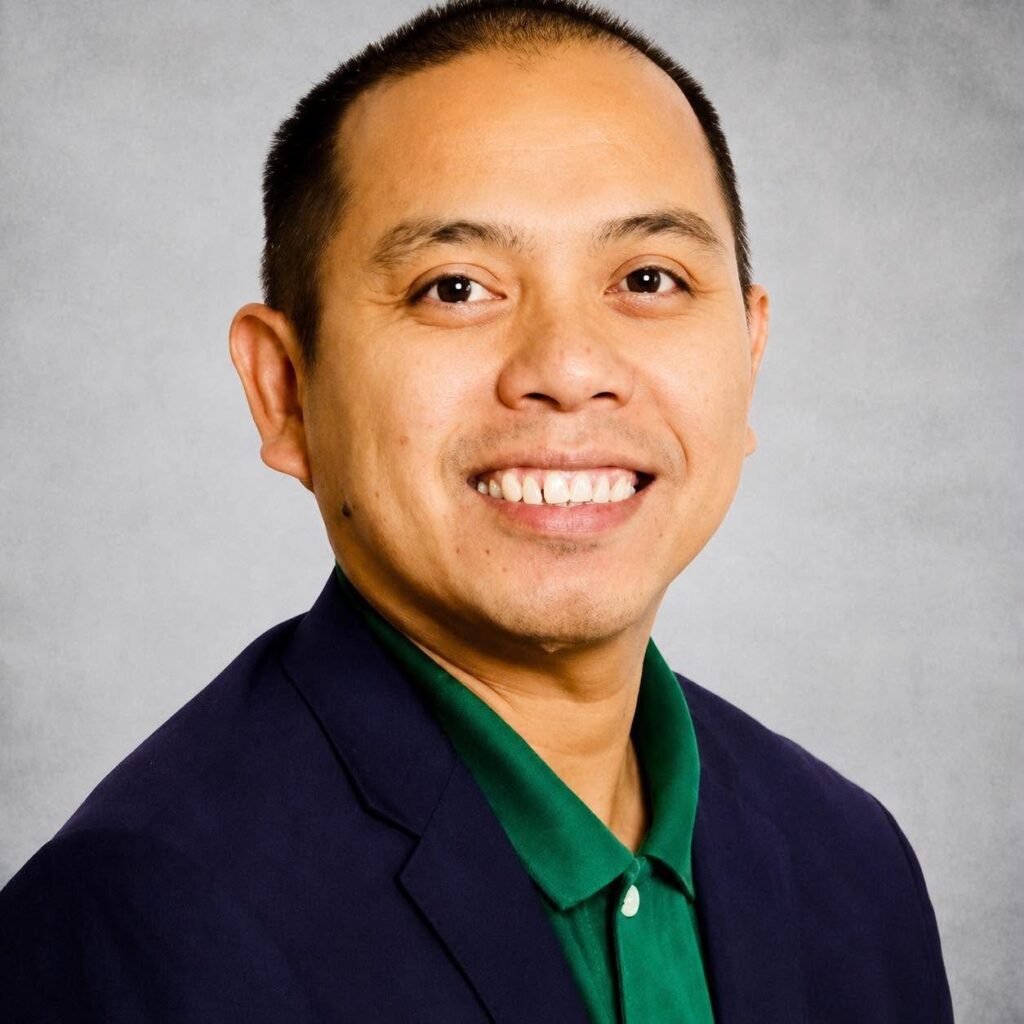
From Cebu classrooms to a Kansas farm town
The subjects Allen handles at Ulysses High School read like a small business college packed into a high school schedule: Computer Applications, Graphic Design, Accounting, Business Management, Entrepreneurship, and Financial Literacy. His job, as he frames it, is less about covering a syllabus than about handing teenagers a toolkit for the rest of their lives.
“Beyond delivering lessons, my role is to prepare students with practical skills, critical thinking, creativity, and character,” he explains — the things he believes carry students through college, careers, and everything after. It is a philosophy he sharpened over his years in the Philippines, where he came to see school as something bigger than the room it happens in.
“I always believed that education extends beyond the four corners of the classroom,” the former Cebu teacher says. Across those 15 years he threw himself into student organizations, leadership programs, and community outreach, pushing students toward teamwork and compassion as much as test scores. Kansas simply gave that conviction a new setting, and a new set of tools — technology integration and student-centered learning that he has embraced with the enthusiasm of someone who genuinely enjoys the work.
What kept him going when it got hard
The move was not a clean, triumphant arc. Allen is candid about the stretch that nearly every overseas Filipino worker recognizes: the homesickness, the disorientation of a new culture, the quiet uncertainty of building a life far from everyone you love.

“There were moments of homesickness, cultural adjustment, and uncertainty,” he recalls. “Being far from loved ones while adapting to a new workplace and community required patience, courage, and perseverance.” What pulled him through, he says, was a mix of family, faith, supportive colleagues, and the Filipino community that took him in. “Every struggle became a lesson,” he adds, “and every obstacle became an opportunity to become stronger.”
His motivation was never abstract. He left partly to grow as an educator, but just as much to build a better future for his family and more opportunities for his daughter. That practical anchor, he says, is what kept the harder days in perspective.
Giving away the thing he paid for in sweat
Here is where his story takes an unexpected turn. Having navigated the visa paperwork, the document requirements, and the maze of applying to teach in the United States, Allen could easily have treated that hard-won knowledge as a private asset. Instead, he gives it away.
He now voluntarily mentors aspiring Filipino teachers who want to work in the U.S., walking them through the application process, visa requirements, and document preparation — and he refuses to charge a cent for it. “I do this without charging any fees because I consider it my way of giving back,” he says. “I know how difficult the journey can be because I have experienced it myself.”
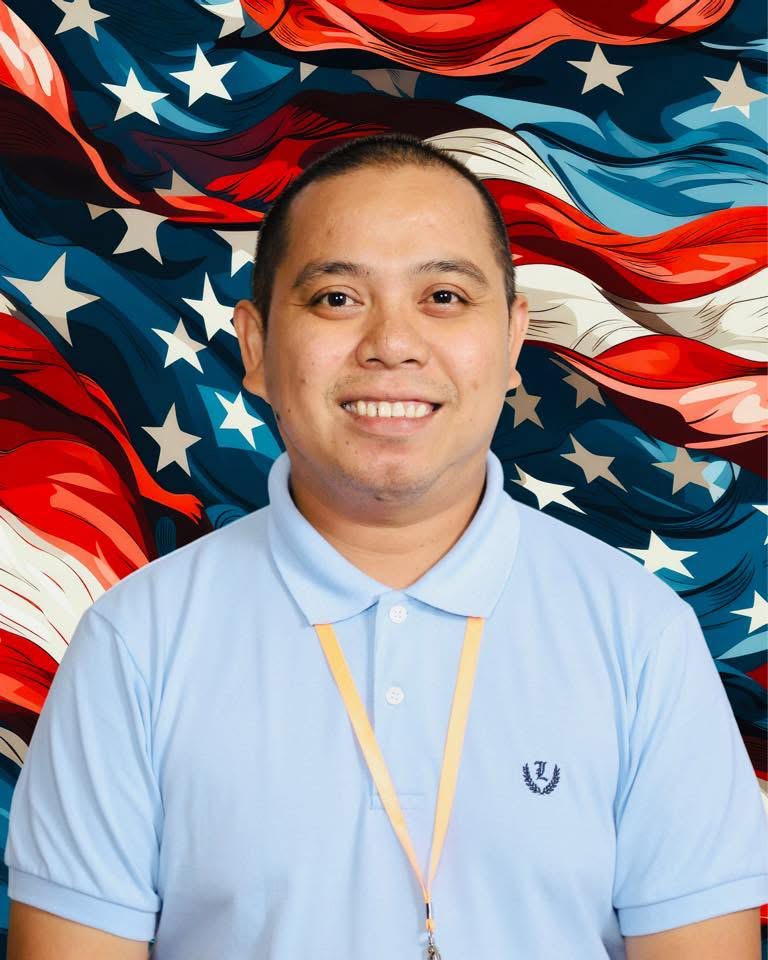
It is, in a sense, the same instinct that made him a teacher in the first place, redirected at his own profession. He talks about the classroom as a calling rather than a job, and about impact as the only measure that matters to him. “Teaching is not simply my career,” he says. “It is my calling.” The awards, he is quick to point out, are beside the point; what he holds onto is the knowledge that he is still shaping lives, in Cebu and in Kansas alike.
His advice to other Kababayans chasing the same dream is unsentimental about the cost. “Success does not happen overnight,” he warns. “There will be sacrifices, disappointments, and moments when you question your abilities.” He urges patience, humility, sound money habits, and above all integrity — and one more thing that clearly animates his own second act. “Whenever you achieve success, never forget where you came from. Reach back and help others climb.”
For a man who once measured his career in lesson plans and graduations, the metric has quietly shifted. These days it is counted in the teachers he sends abroad and the students who leave his room a little more sure of themselves. “Education changes lives,” he says, “but educators change generations.” As long as he has a classroom and a spare hour, he intends to keep proving it — one student, one teacher, one map handed to someone who did not know where to start.
