



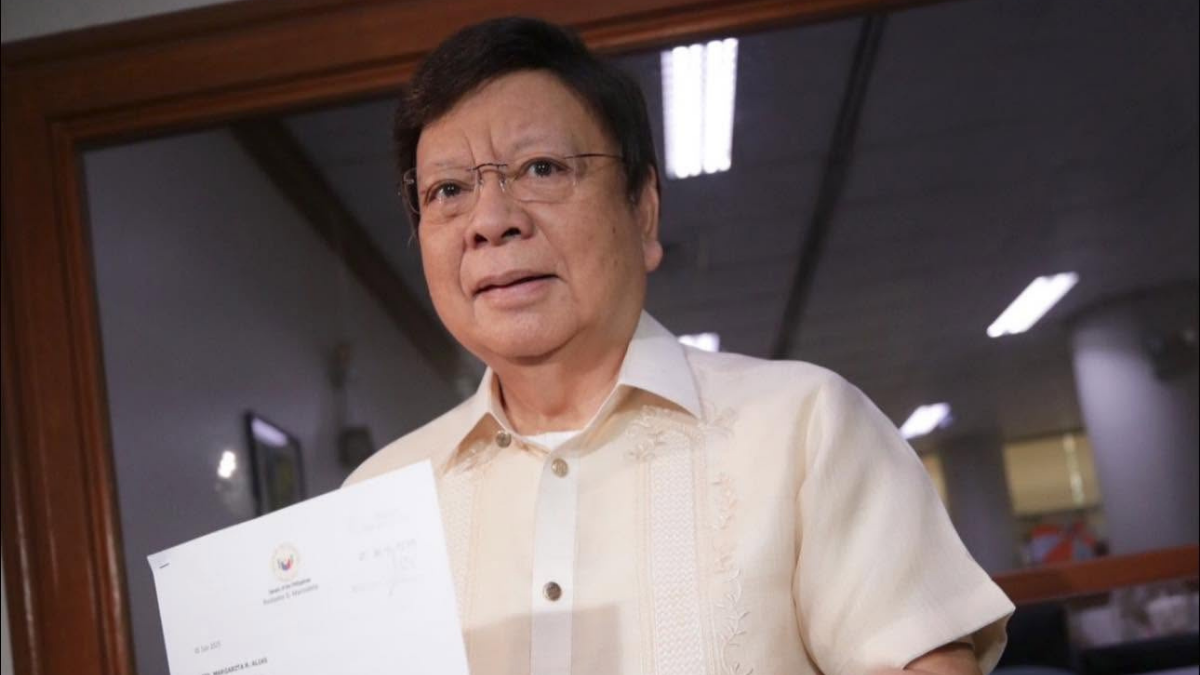

Private donations can form the basis of a plunder prosecution against a government official, the Department of Justice maintained on July 6, pushing back against a central argument raised in the case now confronting Sen. Rodante Marcoleta.

Justice Undersecretary Ian Norman Dato pointed to a decades-old statute that still governs how officials handle gifts. He said Presidential Decree 46, enacted in 1972, remains fully enforceable and that its reach extends beyond the person who pockets a benefit.
“This is a 1972 anti-graft measure still very much in force… Liability runs both ways, the giver and the receiver. Each separate transaction may be charged as a separate count,” Dato said.
He added that a violation can be established without proof that the official traded a specific favor. Referencing Article 211 of the Revised Penal Code, Dato explained that accepting a gift tied to one’s position is enough to trigger liability.
“The elements are simple. First, the offender is a public officer. Number two, he accepts a gift. And number three, the gift is given because of his office, not for any one identifiable favor,” Dato said.
The department’s position speaks directly to the dispute at the heart of the Marcoleta matter. The senator stands accused of failing to declare a P75 million campaign contribution routed to him by former congressman Mike Defensor and businessmen Joseph Espiritu and Aristotle Viray ahead of the 2025 midterm polls.

Justice Undersecretary Nicholas Felix Ty addressed the argument that plunder requires misused government money. Walking through the Anti-Plunder Law’s list of what counts as ill-gotten wealth, he identified six categories that qualify.
Among them, Ty noted, is the receipt of “any form of pecuniary benefits from any person in connection with any government contract or project or by reason of the office or position of the public officer,” whether obtained directly or through an intermediary.
“From a plain reading of the law, hindi kailangan na public funds ang subject funds for a prosecution on plunder,” Ty said at a briefing that same day.
Ty encouraged reporters and citizens alike to look up Republic Act No. 7080 themselves, describing the statute as brief and written in “very simple language.”
Marcoleta has rejected the allegations outright. He contends the prosecution is designed to muzzle him and derail his efforts to name officials he ties to corruption in flood control spending. Along with Defensor and Espiritu, he was in custody as of July 6 and headed for detention at the New Quezon City Jail in Barangay Payatas, Quezon City.
