



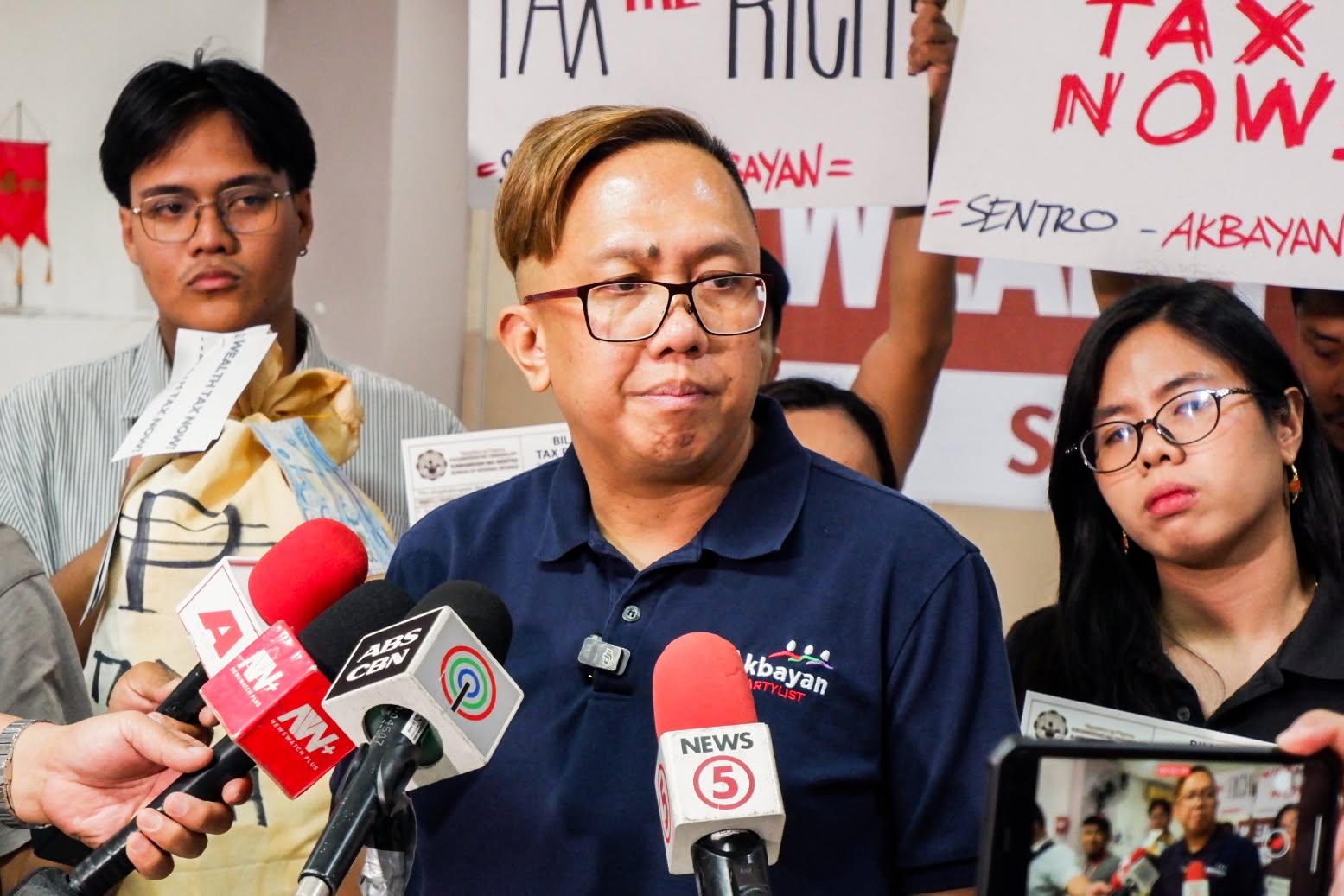

House opposition lawmaker Perci Cendaña has taken aim at the legal maneuvering surrounding Vice President Sara Duterte’s impeachment, arguing that her lawyers are leaning on procedural roadblocks because they cannot mount a genuine answer to the charges.

The Akbayan representative characterized the defense’s approach as an effort to stall the Senate proceedings rather than confront the substance of the accusations. In his reading, the volume of objections coming from Duterte’s counsel reflects the absence of a credible line of defense against the four articles the House has brought.
That criticism lands against a trial that has already featured repeated clashes over procedure. On the second day of hearings, Tuesday, July 7, 2026, the impeachment court overruled the defense again and again as prosecutors worked to enter a video of Duterte allegedly threatening the lives of President Ferdinand Marcos Jr., First Lady Liza Araneta-Marcos, and former House Speaker Martin Romualdez. Public prosecutor Terry Ridon told reporters that some of the defense objections struck him as repetitive, though he added that contesting the admission of evidence is part of a lawyer’s job.
Cendaña also faulted the separate push by Duterte-aligned lawyers to unseat Sen. Francis “Chiz” Escudero as the tribunal’s presiding officer. A group led by lawyer Israelito Torreon went to the Supreme Court on July 6 seeking to halt the trial, contending that Escudero’s authority rests on what they called a constitutional infirmity. Their petition asked the high court to order the impeachment court to stop receiving evidence, ruling on objections, and issuing orders until the question of who may lawfully preside is settled.

The dispute over Escudero traces back to a June 3, 2026 amendment to the Senate’s impeachment rules that introduced an elected presiding officer. The petitioners argue that change was adopted without a proper quorum, noting that only 12 of 24 senators were present for the vote. Escudero was chosen for the role on July 6 by a 12-8 margin, with the negative votes coming from Duterte’s allies in the chamber.
The 1987 Constitution directs the chief justice to preside only when a sitting president stands trial, and is silent on who takes the chair when another impeachable official, such as the vice president, is the respondent. Under the Senate’s rules, the presiding officer runs the proceedings but does not wield the authority of a trial judge, since the chamber itself acting as an impeachment court holds the sole power to decide the case.
Duterte faces removal and a permanent bar from public office if 16 of the 24 senator-judges vote to convict her on any of the articles, which cover alleged misuse of confidential funds, unexplained wealth, bribery, and grave threats against the president and his family.
