



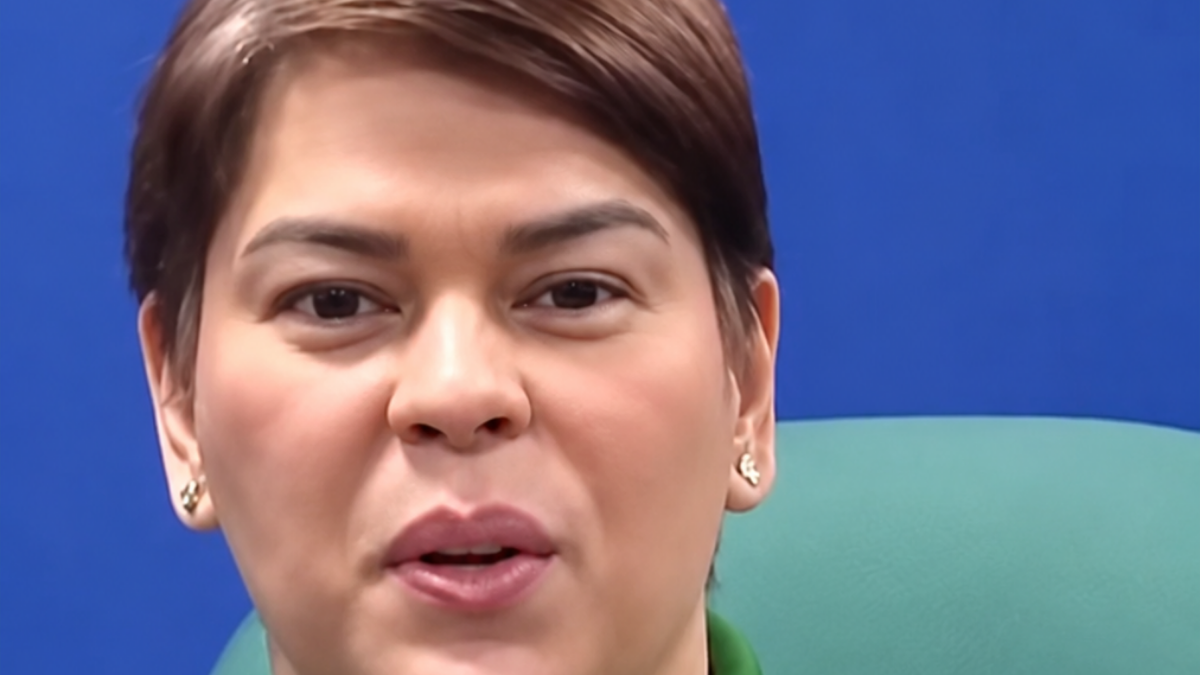

Vice President Sara Duterte turned up at the Senate on Tuesday, appearing in person as her impeachment trial entered its second day — a shift from Monday, when she stayed away from the opening session entirely and left her defense lawyers to represent her.

Her attendance carries weight because Duterte holds a distinction no other Philippine official does: she has now been impeached by the House of Representatives on two separate occasions, the only person in the country’s history to face the process twice.
The four Articles of Impeachment now before the senator-judges lay out a wide span of accusations. The bribery allegations sit in Article III, which centers on procurement irregularities said to involve officials at the Department of Education. Article IV is the gravest in tone, accusing Duterte of making assassination threats against President Ferdinand Marcos Jr., first lady Liza Araneta-Marcos, and former House Speaker Martin Romualdez.
Money runs through the first two articles. Article I concerns the alleged misuse of P612.5 million in confidential funds — P500 million tied to the Office of the Vice President and P112.5 million to the Department of Education. Article II raises questions about unexplained wealth, pointing to what prosecutors describe as inaccurate disclosures in her Statements of Assets, Liabilities and Net Worth for 2022 through 2024, along with a failure to divest from and a continued interest in private business.

Should the senator-judges find her guilty, the consequences reach beyond the vice presidency itself. A conviction opens the door to removal from her post and a permanent ban from holding any government position in the future.
The math for that outcome is steep. The 1987 Constitution sets the bar at a two-thirds vote of all senator-judges, meaning the prosecution must persuade a supermajority of the chamber rather than a simple majority.
The proceedings themselves are built to last. The Senate has set aside 92 trial days for the case, a timeline that — given the court’s limited weekly sessions — is expected to stretch the trial well past the coming months.
