



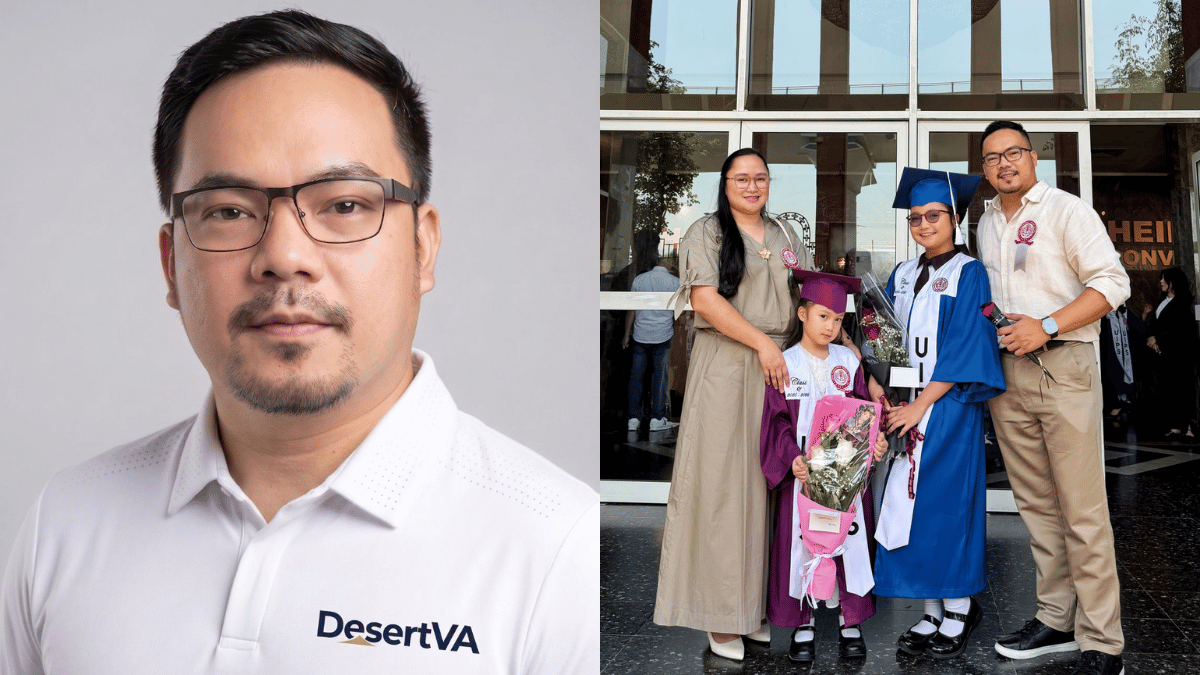

A TESDA computer-systems certificate is not the credential most people imagine behind a company owner in Dubai. It does not carry the weight of a university diploma, and for years it sat in the background of a résumé built on call-center floors and logistics deals. Yet that certificate is exactly what set Ben Paglinawan on the road from a first job in Laguna to the founder’s chair of a UAE consultancy.

Known to friends as “Ninoy,” the 35-year-old is the Founder and Managing Director of Desert Virtual Agency and Consultancy, a firm that helps businesses build growth strategies, streamline operations, and hit revenue targets through cleaner systems and processes. He was born in Navotas, Metro Manila, lived what he calls a nomadic life, and eventually settled in Naga City, Camarines Sur. The path between those points was rarely smooth, and he does not pretend otherwise.
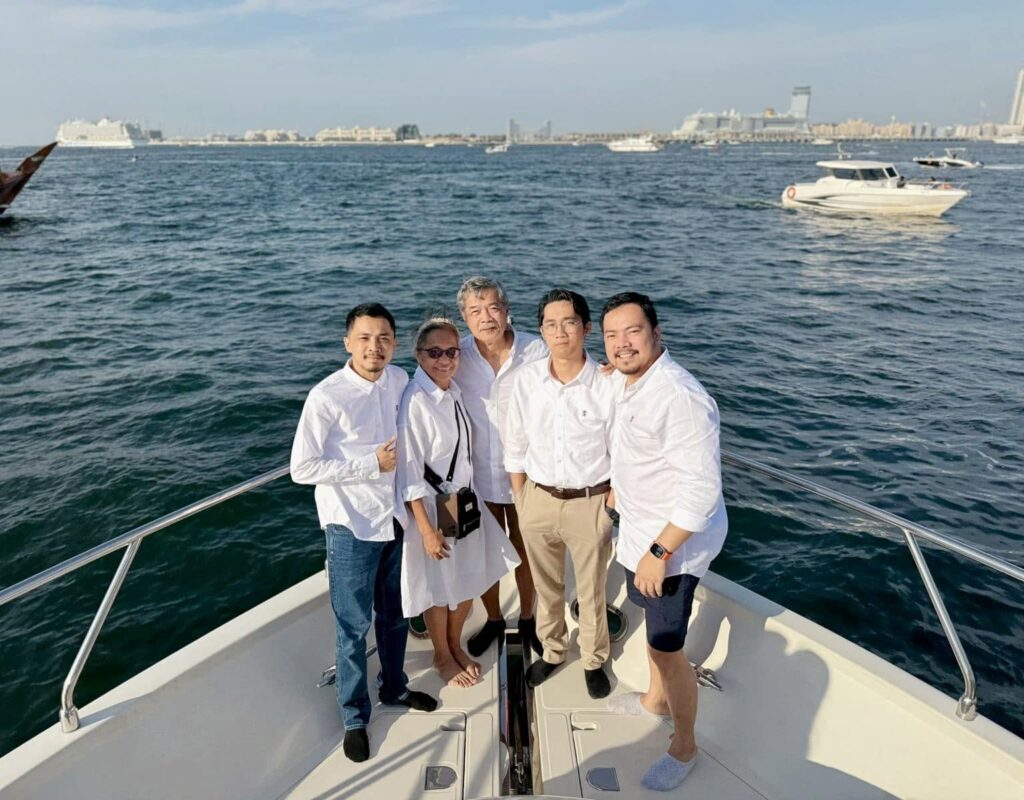
A family that only knew business
Ben grew up watching his parents work for themselves. Neither held formal employment; both ran small businesses, and the household got by on effort rather than comfort. “We were not wealthy, but we were hardworking,” he shares with TGFM. He reaches for a Filipino phrase to describe those years — “nakakaraos lang,” just getting by through perseverance and faith.
Money was tight enough that college became impossible to finish. Rather than treat that as an ending, he enrolled in a computer-system certification program through TESDA at CASIFMAS in Pasacao, Camarines Sur. It was a practical choice made under pressure, and it turned out to be the hinge his whole career would swing on.
That early lesson — that capability could matter more than a diploma — would later shape how he read the country he moved to. He and his wife, Melissa, arrived in Dubai in February 2016, helped through the difficult first weeks by an uncle, aunt, and cousins who were already established there. Ten years on, he still sounds slightly surprised by how fast the time went.
Before Desert VA existed, he spent nine years as Head of Sales for a premium logistics company in the city. It was stable, it paid well, and walking away from it was not a casual decision. “Leaving a stable and well-paying career was not easy — it was a leap of faith,” he recalls. He had attempted a business venture once before and had not been able to commit to it fully at the time. The second attempt, he decided, would be different, and this time his family was fully behind him.
Two years in court, and no lawyer
The founder’s story could easily be told as a clean climb, but one stretch of it was neither clean nor quick. Early in his time in Dubai, his first employer began delaying his salary repeatedly. He resigned and moved to a new company — and that was when the real trouble started, because the old employer refused to properly cancel his visa.
With his legal status caught in limbo, he filed a labor case. It dragged on for roughly a year. Then, rather than letting it rest, the company filed a fresh case against him, extending the ordeal into a second year. “It was a very difficult period emotionally and financially,” he says of the stretch. He fought both cases without an attorney representing him, and he won them both.
There was a moment when he could have pushed further. He had the option to pursue an arrest case against the company owner, and he talked it through with Melissa before deciding against it. “I realized that revenge would not help. I decided to let it go, forgive, and move forward,” he says. By what he describes as God’s grace, he had already started a new job just days after filing that first case, which kept him afloat through the ordeal. The experience left him with something he counts as more valuable than a payout — a hard proof of his own resilience.

Building the bridge for others
Ask him what he actually loves about the work now, and the answer is not revenue figures. It is the rooms full of people who think the way he does. “One thing that I really love about my job is meeting many like-minded business owners and leaders,” he says. “We share knowledge and experiences, and it’s incredible to realize how much there is still to learn. It keeps me grounded.”
The deeper satisfaction, though, comes from watching other people rise. He measures his own success by the careers of the people he has coached, mentored, or hired. “There is no better feeling than watching someone step up, achieve their dreams, and create a better future for themselves and their families,” he says. “For me, that is the greatest measure of success.”
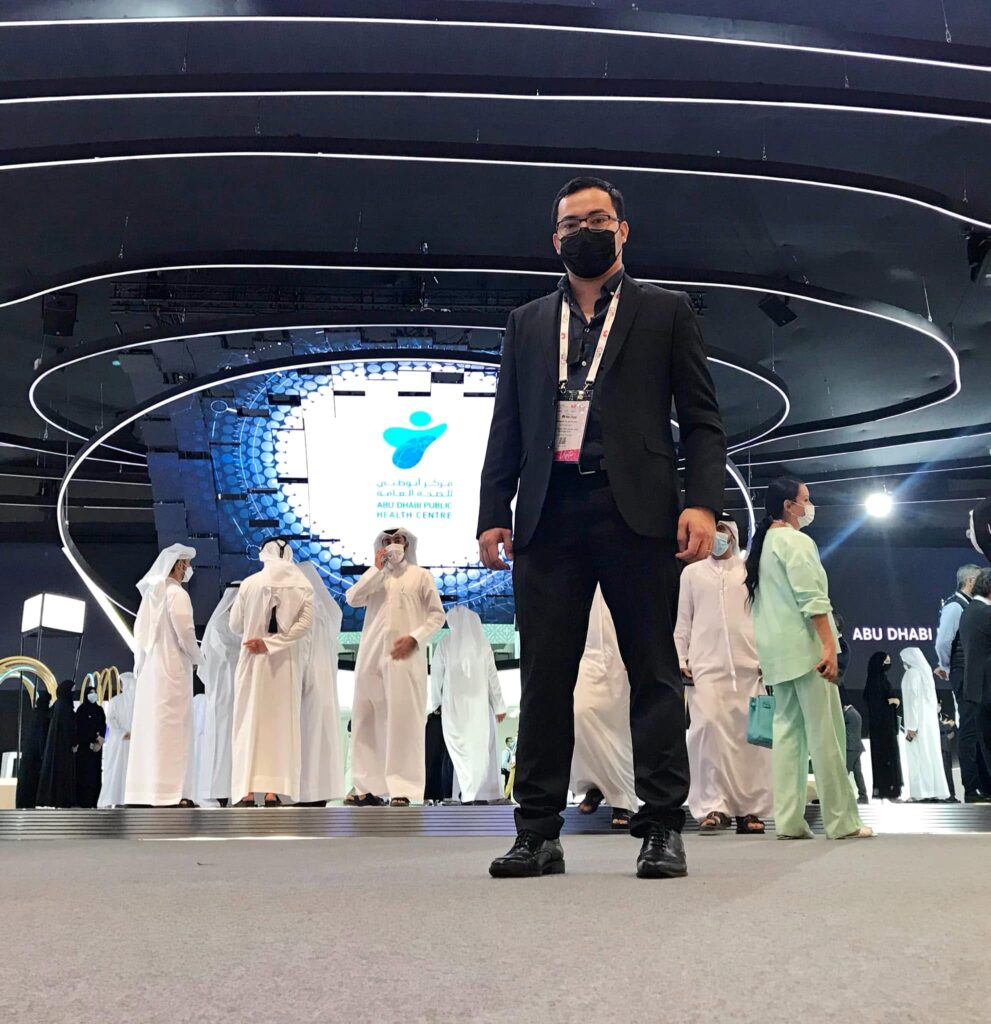

That instinct runs through the way he talks about the UAE itself. He is quick to name safety and security as the biggest advantages of living there, alongside the support the government extends to both businesses and workers. But what clearly means the most to him is a quieter feature of the place — that hard work and capability are often weighed more heavily than credentials alone. As a TESDA graduate rather than a university one, he speaks about that from direct experience, and it plainly still moves him.
His overseas years have also let him open doors for others in a literal sense. Along the way he helped family members and friends find employment in the UAE, or simply gave them the chance to visit and see life abroad for themselves. Creating those openings, he says, has been one of the most fulfilling parts of the whole journey.
The next thousand careers
Ben’s ambitions now extend well past his own company. His stated vision is for Desert VA to help thousands of Filipinos launch virtual-assistant careers, while supporting aspiring entrepreneurs as they build their own businesses. He is especially interested in creating flexible, sustainable options for kabayans who may eventually return home and need work that travels with them.
Soon, he says, the agency will launch free Virtual Assistant and AI courses aimed at helping fellow Filipinos build marketable skills, with announcements to come through the Desert VA and Ben Paglinawan Facebook pages. His advocacy, he insists, has not changed since the beginning: to uplift others, create opportunities, and help people reach their full potential.
The personal goals are more modest and, in their way, more telling. He wants to retire his parents — Nanay Celia and Tatay Virgilio — very soon, and he intends to finally complete the bachelor’s degree that financial hardship once put out of reach, targeting next year.
His advice to kababayans struggling overseas is shaped by everything that came before it. Put your trust in God, he urges. Be a problem-solver and a peacemaker. Never stop learning, and take ownership of your work without waiting to be asked. “Remember, your growth is ultimately your responsibility,” he says. “Invest in yourself, stay patient, and trust the process.”
For a man who once could not afford to finish school, it is advice with the ring of something earned rather than borrowed. The certificate opened the first door. Everything after it, he built himself — and now spends his days holding those doors open for the people coming up behind him.
