



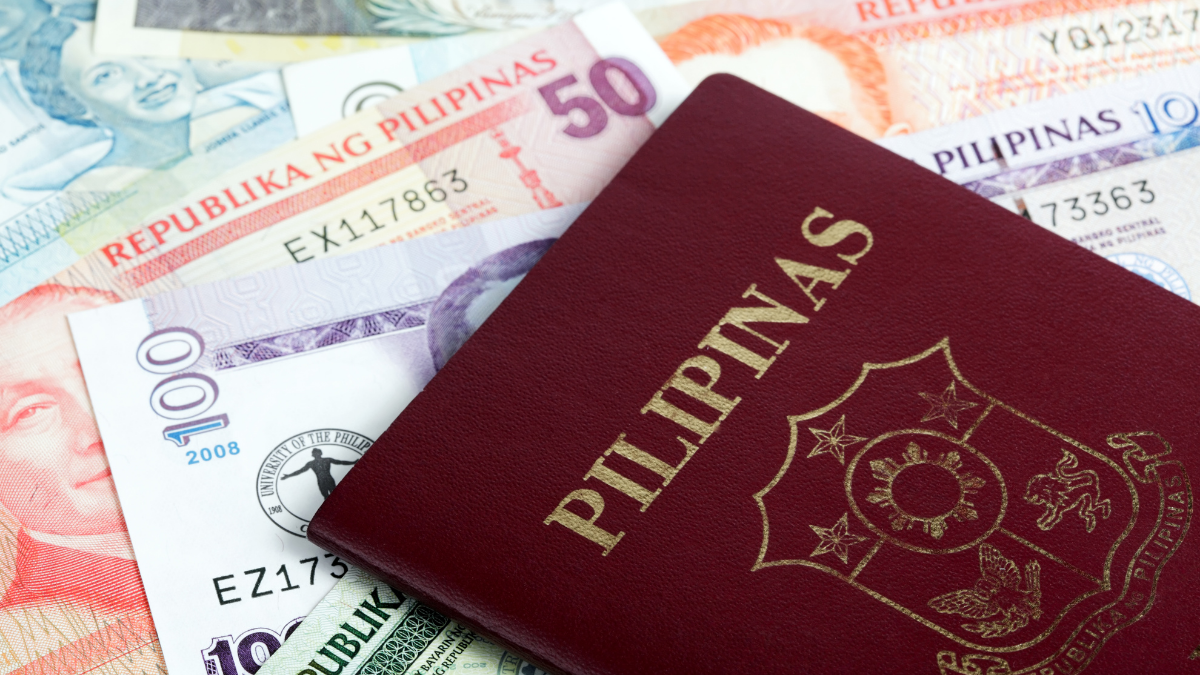

Filipinos can now enter 79 destinations without arranging a traditional visa beforehand, according to the live dashboard maintained by Passport Index, which places the Philippine travel document at 61st in its global Passport Power Rank.

That standing reflects a modest lift from the platform’s earlier 2026 reading, when the passport sat at 62nd with a mobility score of 78. The current tally of 79 breaks down into 38 destinations that waive visas entirely, 37 that grant entry on arrival, and four that accept an electronic travel authorisation.
Run by the advisory firm Arton Capital, Passport Index describes itself as the only ranking updated in real time, adjusting positions whenever governments add or withdraw visa waivers. Its methodology weighs total mobility alongside the share of visa-free access and, for countries with matching scores, development indicators.
The improvement, while incremental, signals slow forward movement for a document that still requires Filipinos to obtain visas for 119 destinations — roughly 60 percent of the world. Much of that closed door sits in Europe, where the 29 members of the Schengen zone demand advance clearance, along with North America and several other major destinations.

Where access does open, it tends to cluster regionally. Southeast Asia remains the strongest zone for Filipino travellers, with visa-free movement across ASEAN member states as well as Hong Kong and Macau. Portions of Latin America, the Middle East, Africa, Oceania and the Caribbean have also grown more accessible, whether through outright waivers or streamlined visa-on-arrival and electronic visa arrangements.
Different indices tell somewhat different stories depending on how they count. The Henley Passport Index, which largely tallies destinations rather than assigning individualised ranks, put the Philippines at 66th in May, crediting it with visa-free or visa-on-arrival reach to somewhere between 67 and 75 places.
The gap between how open the Philippines is to foreign visitors and how freely its own citizens can travel has drawn attention from analysts tracking the country’s position among migrant-sending nations.
