



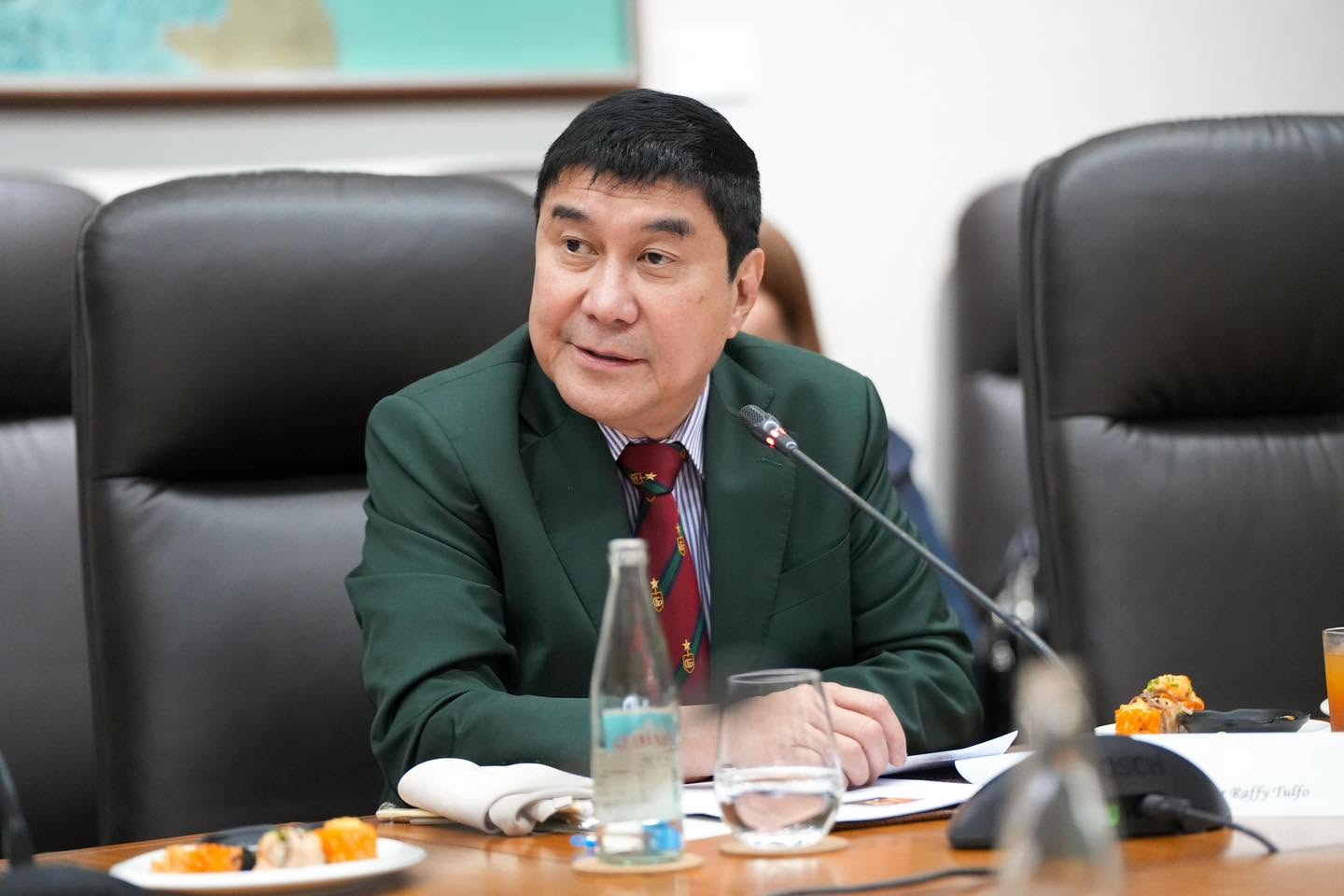

A proposal to establish a separate detention facility specifically for minors who commit grave offenses drew debate at a Senate hearing on July 1, where lawmakers, a grieving parent, and criminal justice experts offered competing views on how the state should respond to young offenders.

Senator Raffy Tulfo told the Senate Committee on Women and Children that he wants Republic Act No. 9344, the Juvenile Justice and Welfare Act, amended quickly to fund a dedicated facility for Children in Conflict with the Law who are responsible for heinous crimes. Under the current setup, such minors are housed in the Department of Social Welfare and Development’s Bahay Pag-Asa centers, which Tulfo argued fails to make offenders grasp the gravity of what they have done. He said many go through intervention and rehabilitation and walk free without any real reckoning.
While Tulfo maintained that young offenders should be kept apart from seasoned criminals, he insisted that consequences must still register with them.
“Hindi yung nakikita ng mga bata na, ‘Ah, kapag ako ay nag-commit ng crime, pupunta ako sa Bahay Pag-Asa, at pagdating doon, magba-basketball kami, may pingpong…kumakain sila sama-sama, nagtatawanan,” he said.
“Pagdating sa gabi, nandoon sila sama-sama sa isang kwarto, mag-uusap-usap. Saan dito yung takot na maipapakita sa mga bata? They will think it’s excursion, camping. Dapat papakita natin na merong katapat na parusa ang bawat gagawin niyong kasalanan,” he added.

The senator also floated ideas for the Department of Education, suggesting it look into supervised boot camps or immersion programs led by rehabilitated former Persons Deprived of Liberty. Under such an arrangement, former inmates would speak to students about their time behind bars and how they turned their lives around to become productive members of society.
Backing for a firmer approach came from Jennylyn Badoria, whose child was among those killed in the June 22 shooting at San Jose National High School in Tacloban City. She voiced support for the proposal.
Not everyone at the hearing endorsed harsher confinement. Raymund Narag, head consultant of the Preso Foundation and an associate professor, warned that severe juvenile detention centers and boot camps are counterproductive.
“It has a brutalization effect, it makes them hard. It is not a deterrence because they do not understand it, and that makes it worse for everyone,” he added.
DSWD Secretary Rex Gatchalian, for his part, deferred to Congress on whether to move forward, saying only that any such facility should fall under national government management if legislators decide to pursue it.
