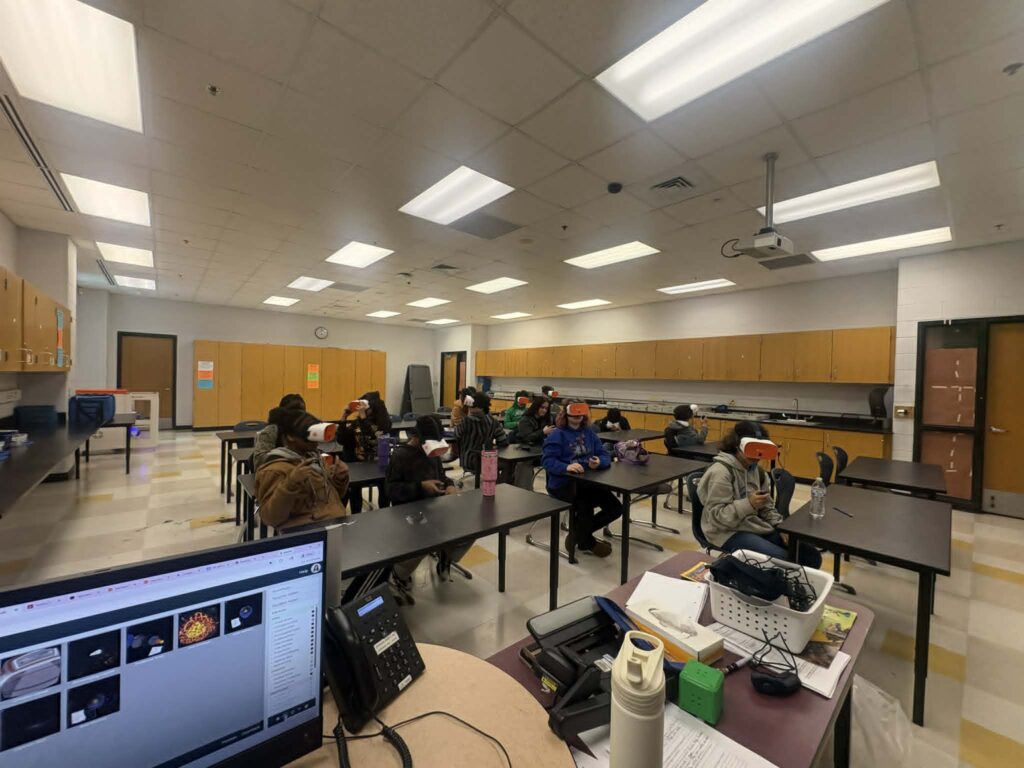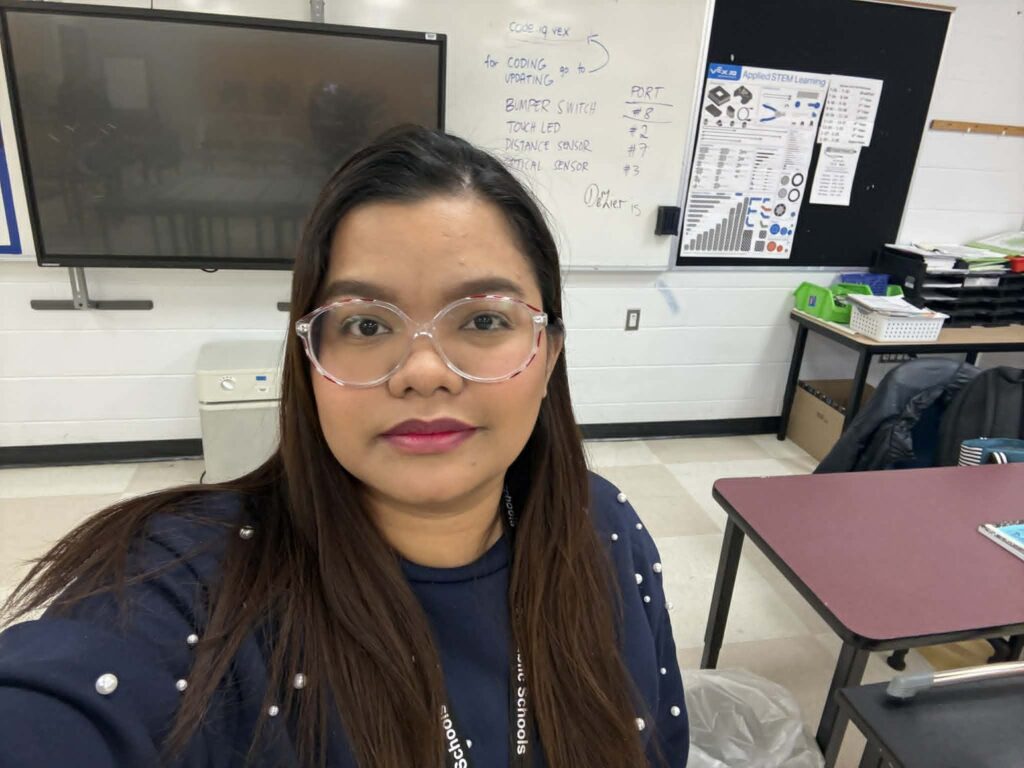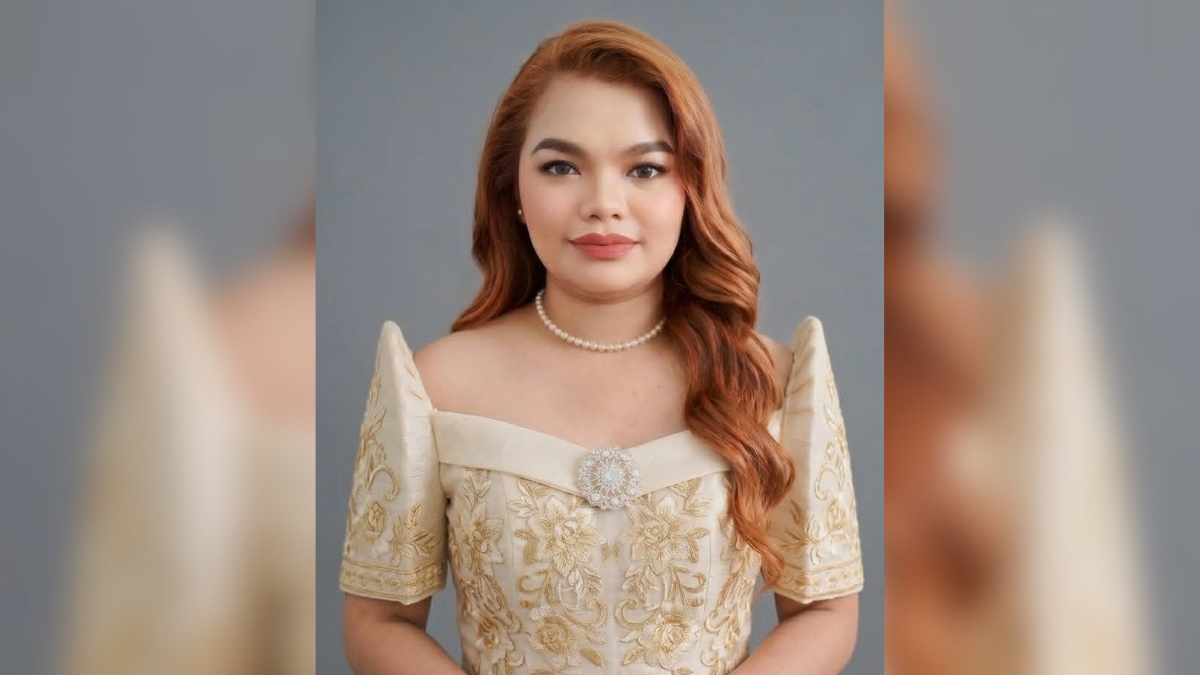

Everyone in education knows the line, usually delivered with a sympathetic shake of the head: some kids just can’t do this. It surfaces whenever advanced technology meets a classroom of learners who arrive with different needs and different histories. Febe Articulo Lusica heard a version of that line, too—aimed squarely at the special education students she was about to hand a robot and a drone.

She did not take it as a warning. She took it as a question worth answering.
A first year that began thirteen years deep
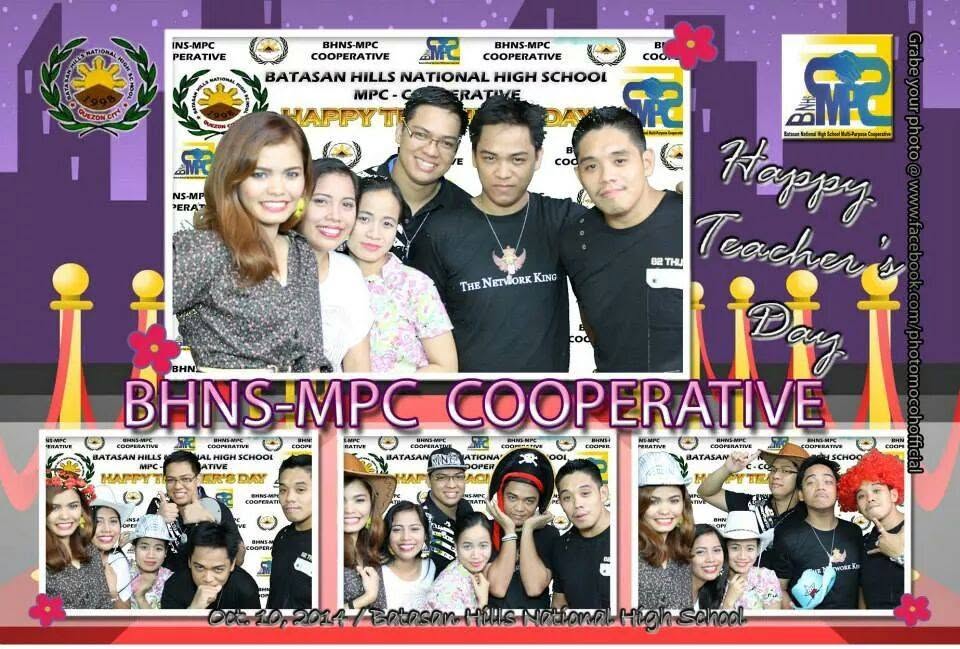
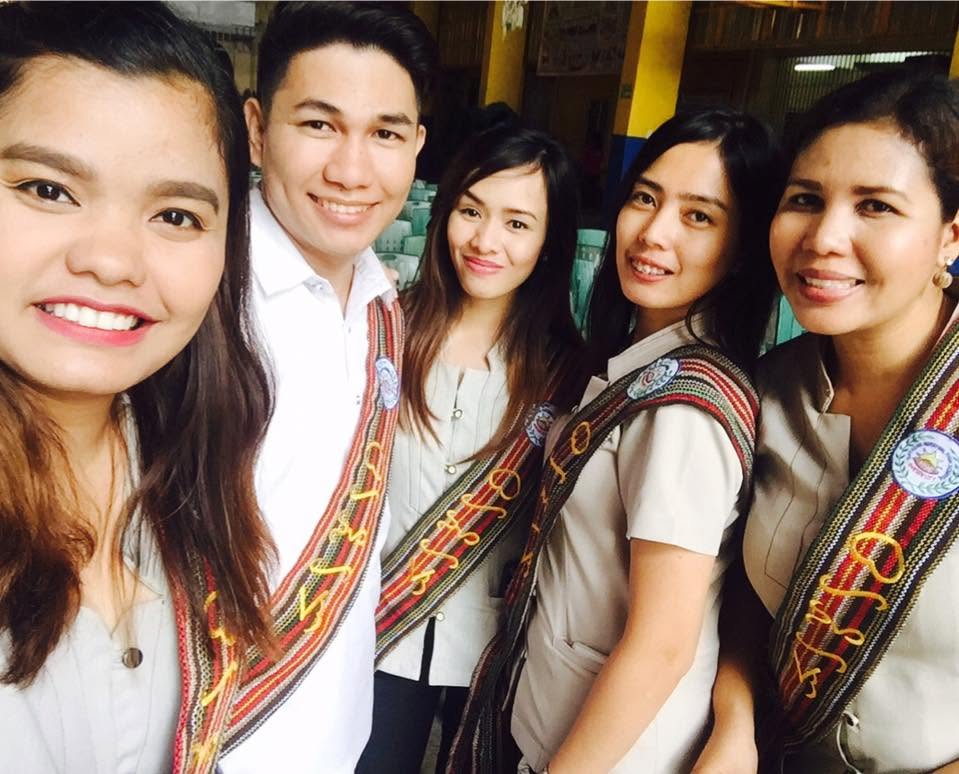
At 35, the STEM middle school teacher at Thompson Middle School in Saginaw, Michigan, is technically a newcomer abroad. She moved to the United States in September 2025, and this is her first job overseas. But the word “beginner” misreads her entirely. Behind that single year sits thirteen years in Philippine classrooms, most of them at Batasan Hills National High School, where she taught Technology and Livelihood Education for more than a decade.
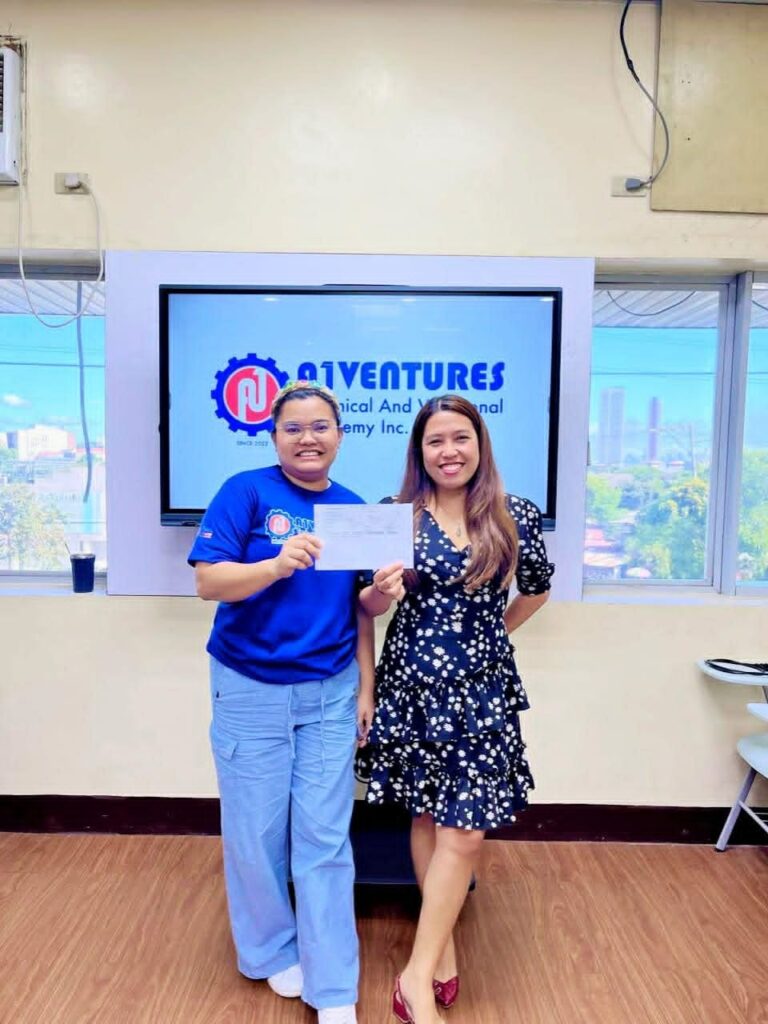
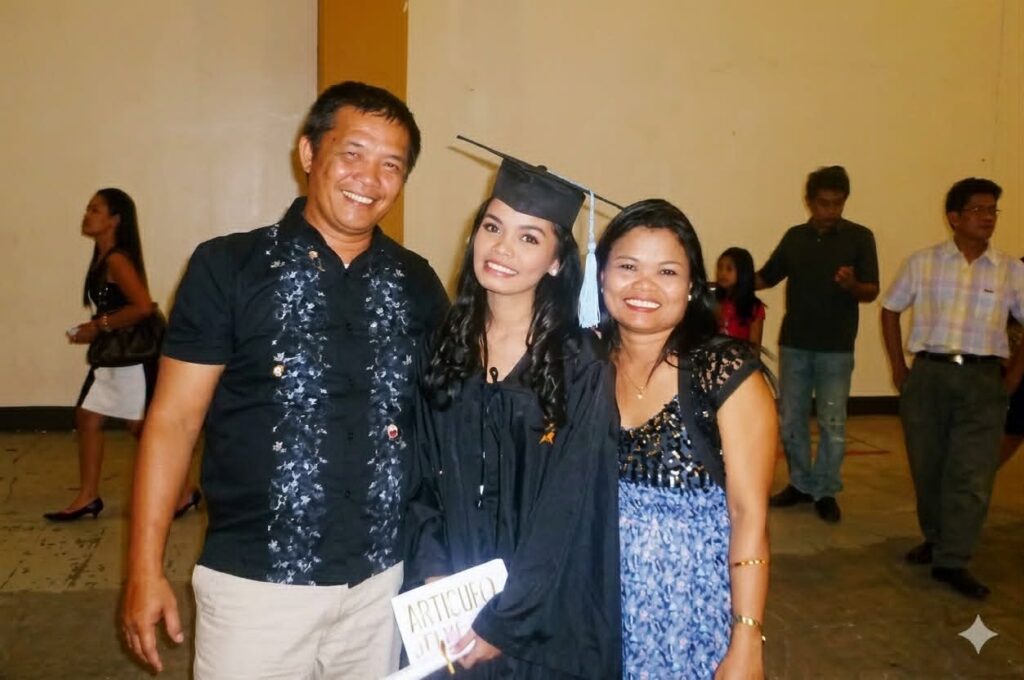
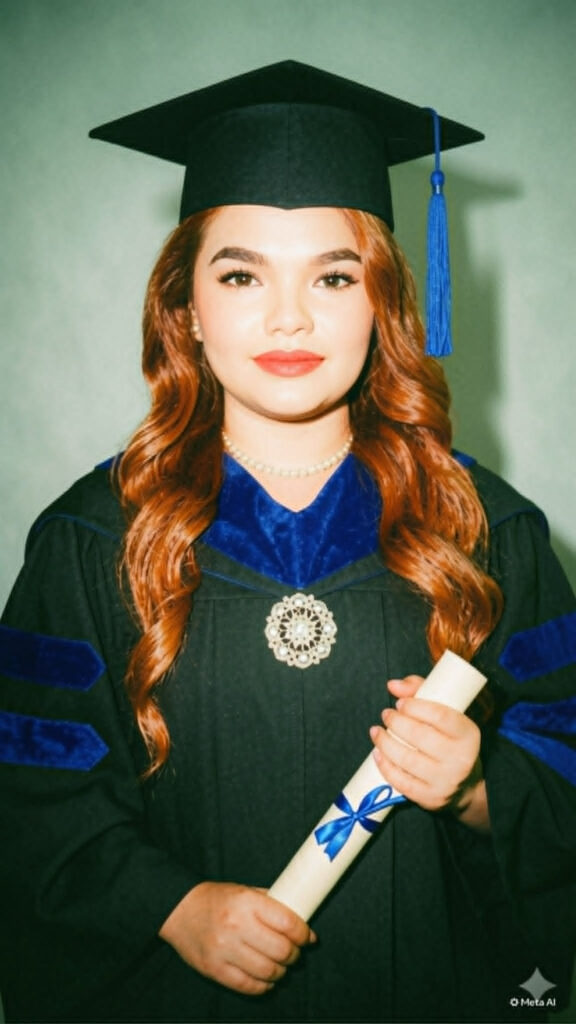
Her current work looks futuristic on paper—VEXcode robotics, drone flight simulations, 3D printing, immersive lessons through ClassVR—but she frames it in plainer terms. “Technology is a powerful equalizer,” she says, and she means it as a working philosophy, not a slogan. The proof, for her, came in May 2026, when she staged a multi-day STEM exhibit for her eighth graders and watched months of effort take physical shape. “Seeing their hands-on projects come to life truly validated the hard work,” she recalls.
The deeper validation, though, came from the students she had been told to worry about. Watching her special education students build their own robots and pilot drones is, she says, “exactly why I am so passionate about this field.” The pride on their faces was the answer to that old, dismissive line.
The year everything stopped
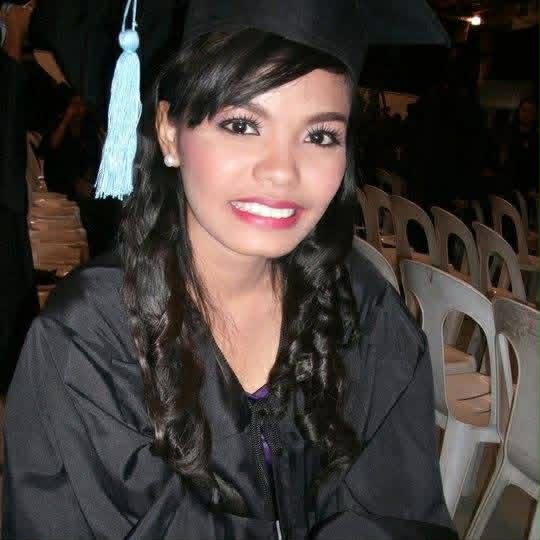
There is a stretch of her story that complicates any tidy reading of her success. After graduating in 2011, she was diagnosed with tuberculosis, and her carefully sequenced plan—board review, licensure exam, master’s degree—simply halted. “My life and plans came to a full stop for a year,” she says. The standard treatment runs six months; hers stretched to twelve. For long periods she was confined to bed, physically weak, reading when she could, surrounded by what she describes as “financial hardship, severe physical weakness, and a mountain of strong medications.”

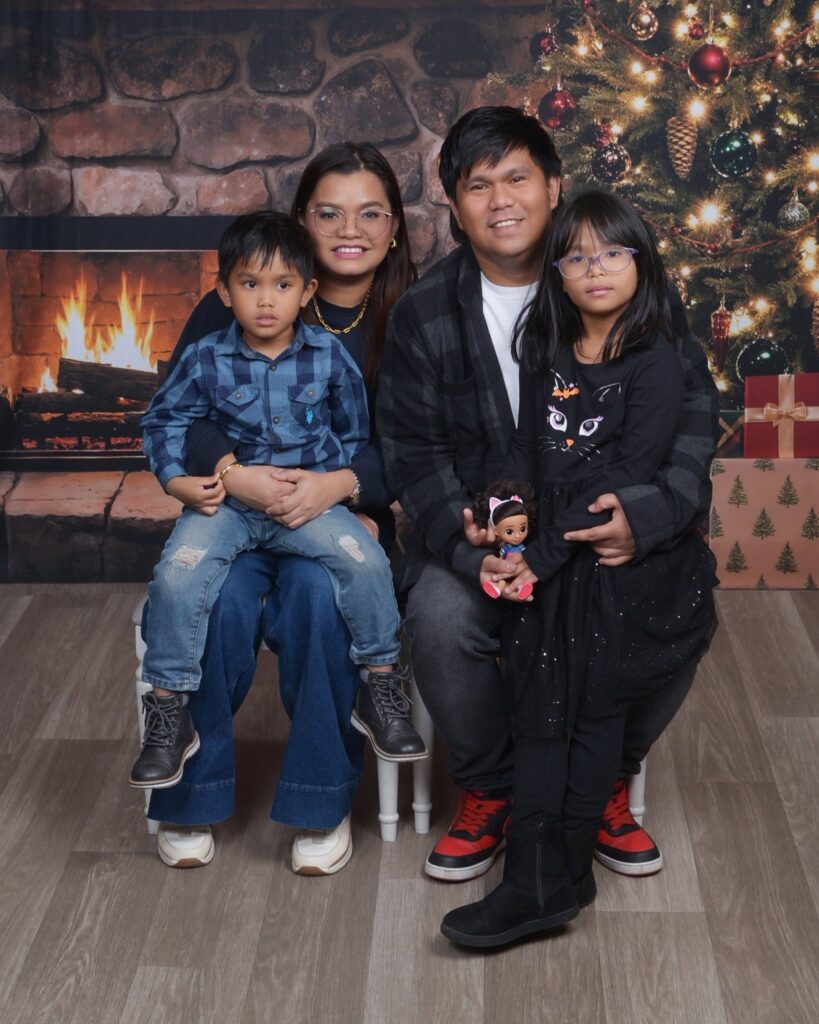
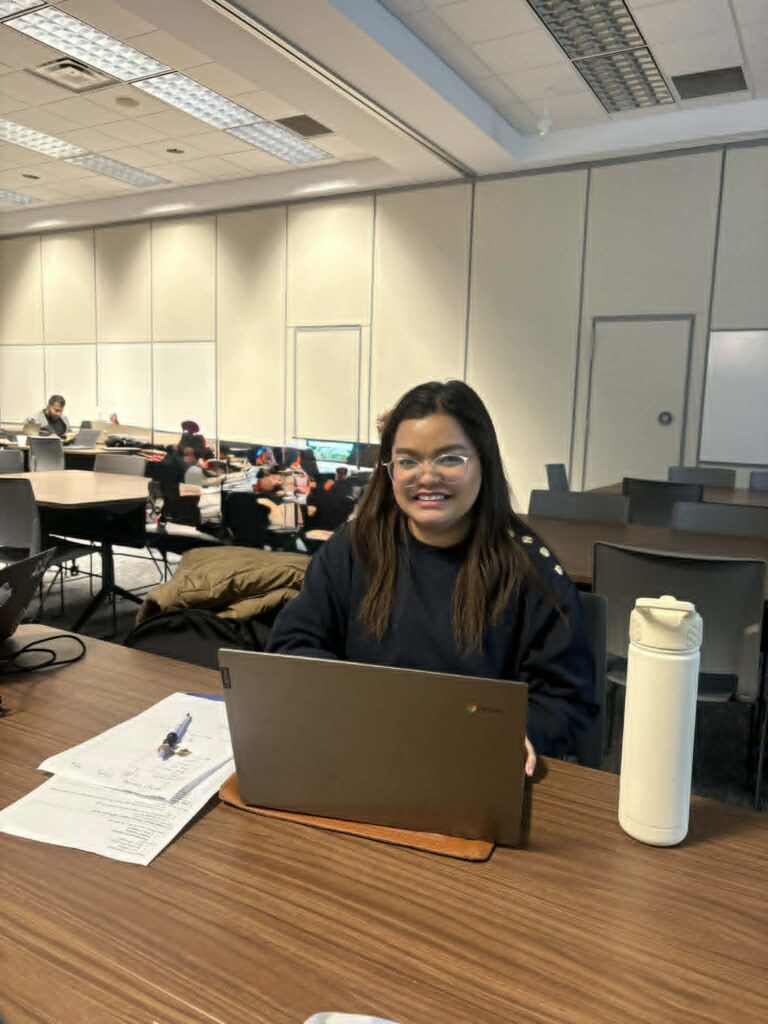
When treatment finally ended, a new fear replaced the old one. The medication had eroded her memory, and the board exam loomed. There was no money for a review center, so she improvised one. Day after day, for months, she went to the Quezon City Public Library and worked through the sprawling scope of her major alone. She passed on her first attempt—a fact she attributes flatly to grace.
What followed was not an easy ascent. Her first teaching job, in a private school, paid 6,000 pesos a month to teach every subject. She moved to a computer college for 17,000 pesos, working 7:00 a.m. to 10:30 p.m., and started her master’s at the PUP Graduate School in Manila in 2012—without, she notes, even owning a computer or a decent phone. By her second semester, her DepEd appointment came through. Batasan Hills would keep her for the next twelve years.
A pastor’s kid raised amid financial strain, she had learned early that academic excellence was the only reliable door. “I studied relentlessly,” she says of those years, “and told myself that I had to excel academically to secure scholarships and make it through college.”
Building the school she once needed
Even her arrival in the United States carried the texture of the improbable. After months of silence from a visa sponsor, an interview email landed three days before the date. A single principal interview on the evening of August 20 became a job offer by 5:00 a.m. the next morning. “We moved with absolutely no money in our pockets,” she says—a sentence that, by now, reads as a recurring motif rather than a one-off crisis.
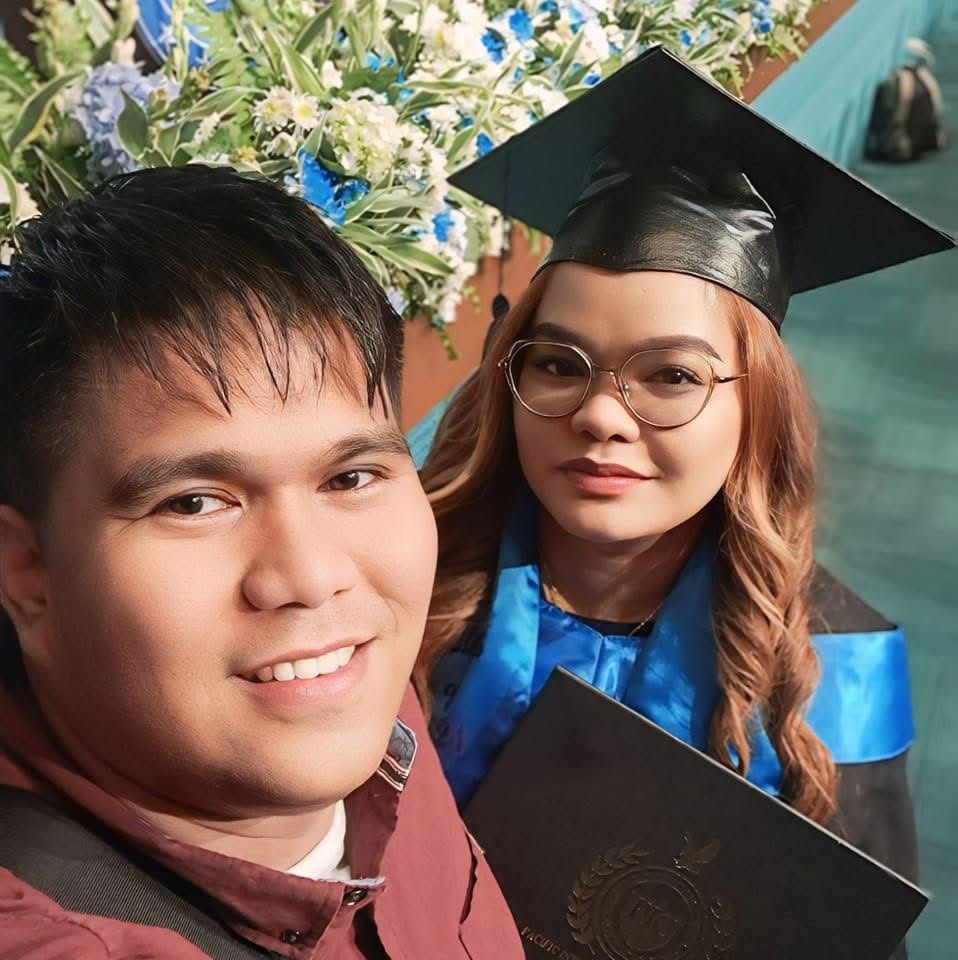
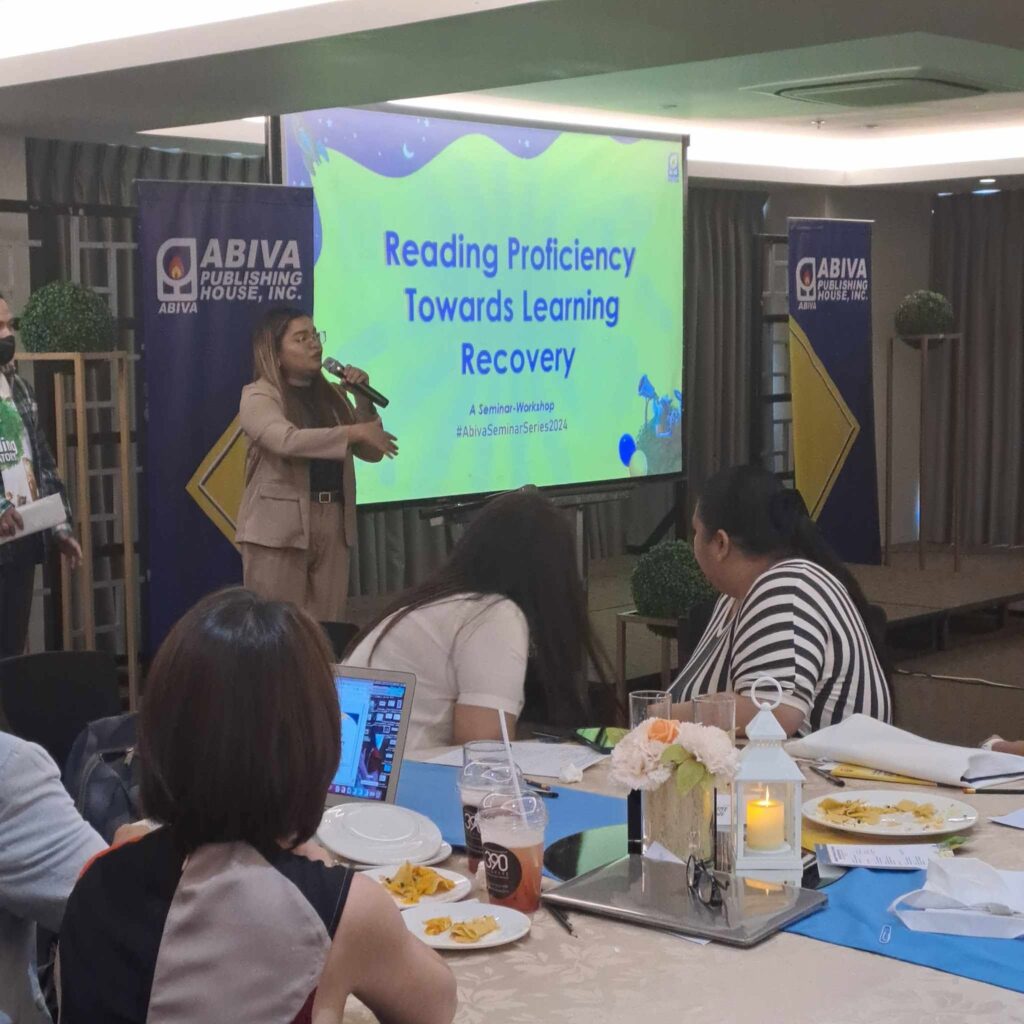
The work has since drawn international notice. She is a recipient of the Excellence in STEM Education Award from the Filipino International Educators Association in San Francisco, and of the Outstanding Filipino Educators Recognition (TOFER) Premier Scholar-Practitioner Award in STEM. She is also a doctoral candidate in Educational Leadership, expecting to reach the dissertation phase by late 2026 or early 2027.
Her ambition points homeward. The endgame is not a permanent post abroad but a return—to build her own school in the Philippines, outfitted with the cutting-edge tools she now works with daily, aimed at “underprivileged and diverse learners back home” who, she believes, deserve the same standard.
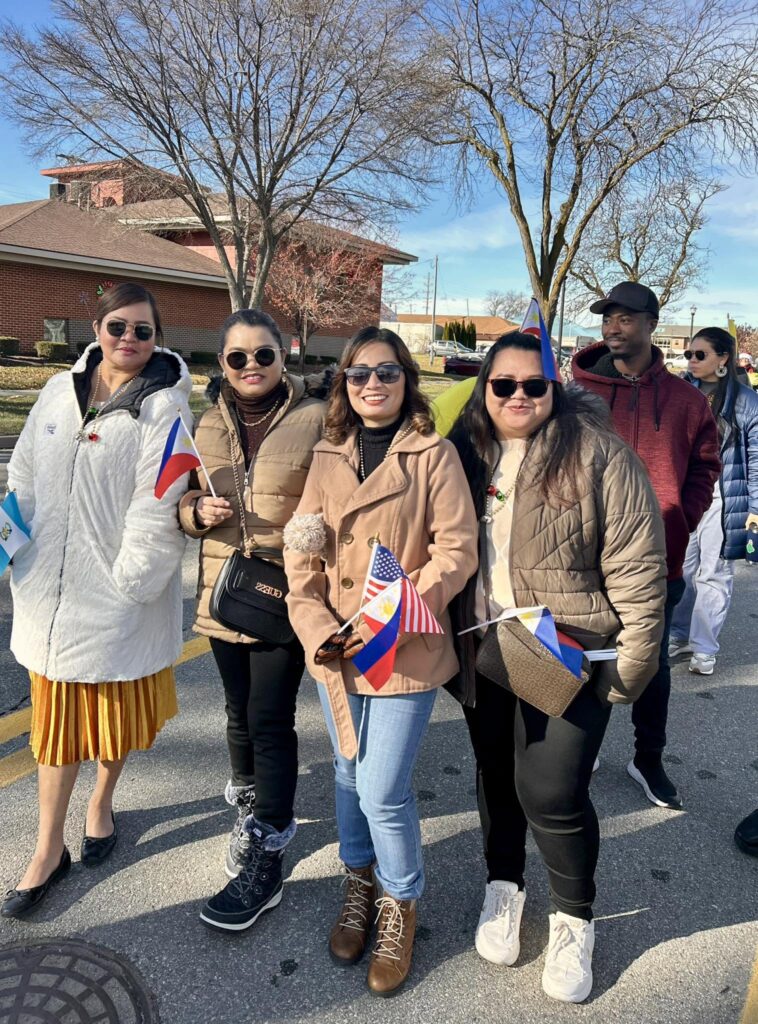
Her advice to fellow Filipinos abroad is shaped by everything that came before it. “Resilience is in our DNA,” she says, “but you don’t have to carry the weight alone.” Build a trustworthy circle. Seek mentorship. Give yourself grace during the transition. It is counsel from someone who learned each clause the hard way—and who still treats every cleared obstacle as the next step toward a stronger version of herself.