



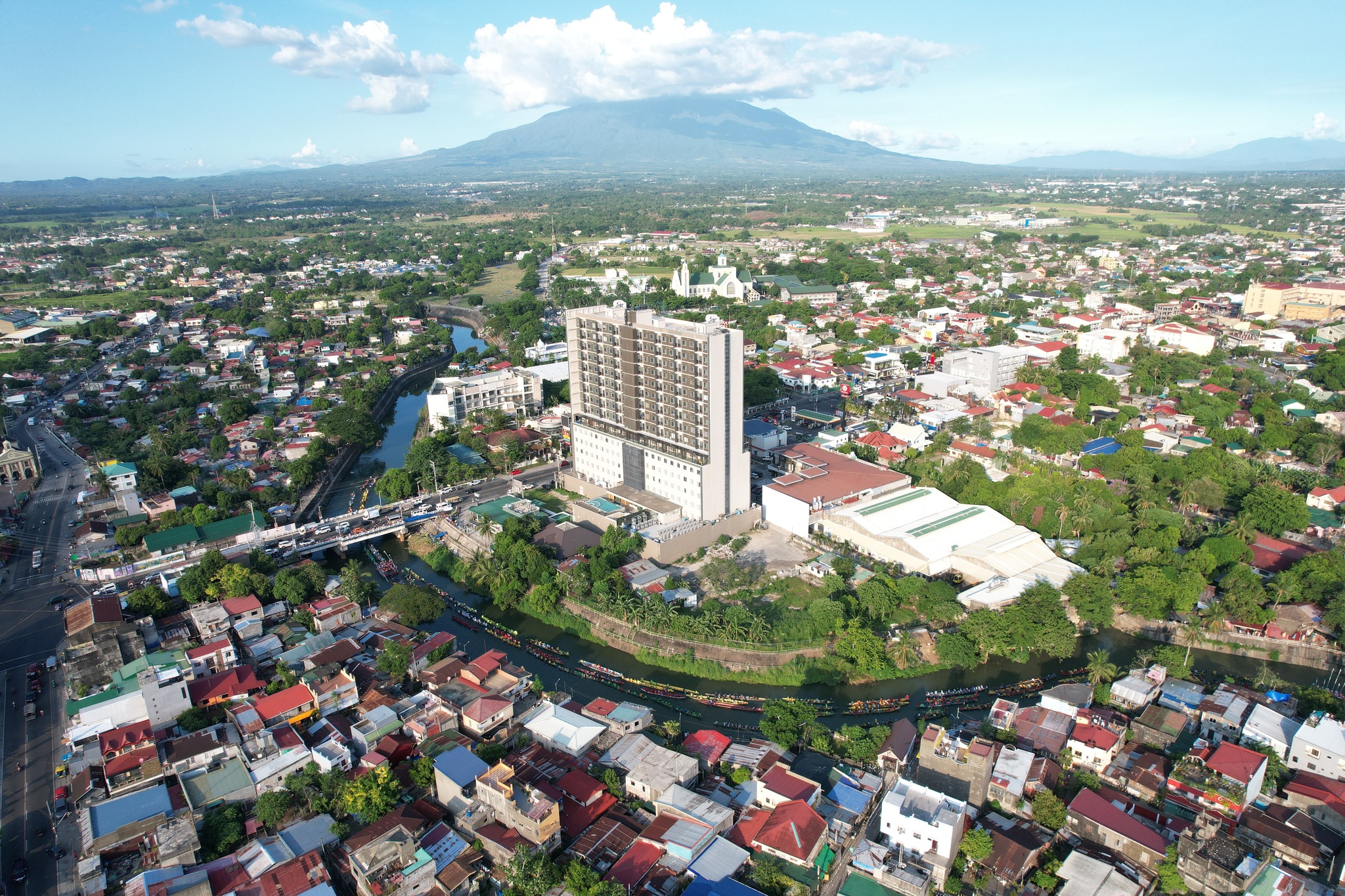

The tangle of overhead power and telecommunication lines along one of Naga City’s busiest stretches could soon disappear, with the National Electrification Administration (NEA) tapping M.T. Villanueva Avenue as the launch site for an underground cabling scheme it intends to replicate nationwide.

NEA Administrator Antonio Mariano Almeda confirmed the choice of pilot location on June 20, the same day he sat down with Naga City Mayor Leni Robredo and Public Works and Highways Secretary Vince Dizon to map out how the three parties would carry the project forward. In a press statement, Almeda said the undertaking would function as a template for the rest of the country, according to the Philippine Daily Inquirer.
The plan calls for relocating existing electric and telecom lines beneath an 800-meter section of the road. NEA framed the work as a way to make Naga’s power distribution network steadier and less prone to failure when typhoons and other severe weather hit, since the storms repeatedly batter exposed posts and cables.
Engineers from the University of the Philippines College of Engineering have already finished the detailed design, Almeda said in an interview with Bombo Radyo Naga. What remains is the final accounting of the bill of quantities and the total cost before construction can proceed.

A key part of the arrangement is who pays. Robredo earlier explained that the government’s involvement brings a subsidy that a purely private build would not, which she said would keep utility firms such as Casureco and telecommunications providers from passing additional costs to their customers. NEA and the DPWH have signed a memorandum of agreement under which NEA executes the work while the DPWH shoulders the expense, she said.
The project sits alongside a broader push to clear Naga’s roads of obstructions. Robredo said discussions also covered the full removal of electric posts that block the smooth flow of vehicles and commuters along city thoroughfares.
The cabling effort also feeds into a wider redesign of M.T. Villanueva Avenue, which Dizon and Robredo inspected over the weekend. Philstar reported that the reworked avenue now carries broader sidewalks, dedicated cycling lanes, designated stops for public utility vehicles, and the buried cabling, all meant to make the corridor safer for those on foot.
Robredo described the partnership between the DPWH and NEA as central to building a workable model for urban mobility, one she cast as a step toward a safer and more resilient Naga.
