



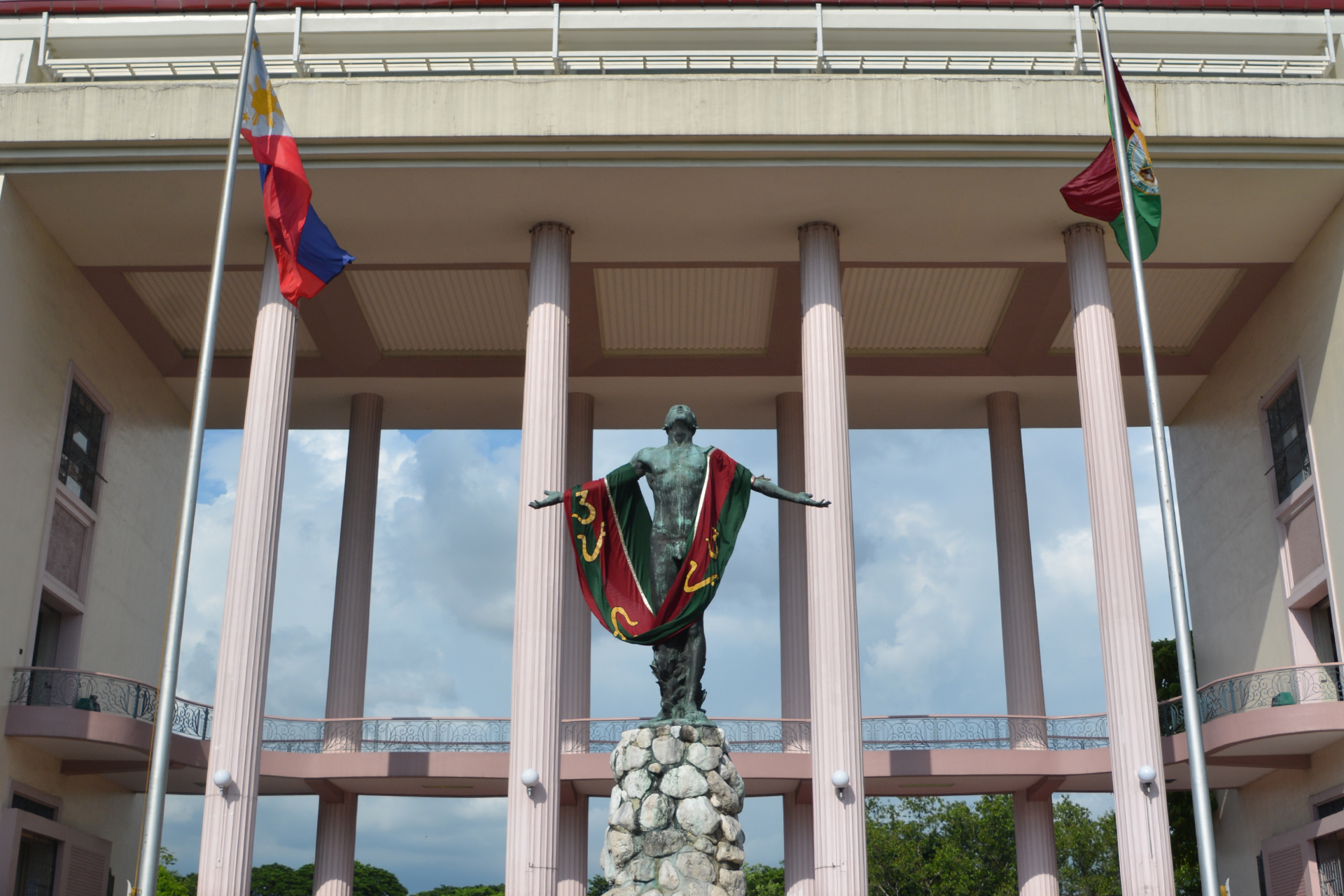

Five Philippine universities lost ground in the QS World University Rankings 2027, with analysts pointing to sharper competition abroad rather than decline at home as the reason behind the slip.

The University of the Philippines held onto its place as the country’s leading institution but landed at 402nd worldwide, down from 362nd a year earlier. Ateneo de Manila University, the top-ranked private school, came in at 581st after sitting at 511th in the previous cycle.
Among the indicators that buck the overall trend, Ateneo posted one of the strongest individual showings of any Philippine school, climbing 15 rungs in Employment Outcomes to 142nd globally. It also gained in Sustainability, a category where De La Salle University similarly improved. Adamson University, for its part, strengthened its standing in International Faculty.
De La Salle slid into the 751-760 band from 654th, while the University of Santo Tomas dropped from the 851-900 bracket into the 951-1000 range. Adamson recorded the steepest fall among the local entrants, moving from the 1001-1200 band to 1201-1400.
The retreat kept the Philippines out of this year’s roster of the 13 most-improved higher education systems, a list topped by Azerbaijan, Austria and Hong Kong, according to the London-based ranking firm.
QS Senior Vice President Ben Sowter framed the results as a sign of acceleration elsewhere. This year’s standings, he said, “suggests that global peers are advancing at a faster pace, be that in research intensity, sustaining international partnerships or ensuring the best graduate outcomes.”

The slip was hardly unique to the Philippines. Of the more than 1,500 institutions assessed, roughly 670 fell, just over 400 rose, and more than 330 stayed put.
Skeptics of these global league tables have long cautioned against reading them as a verdict on educational quality, noting that the standard methodologies lean heavily on research output and citation counts while giving less weight to teaching and broader social contribution.
QS assigns half of its total score to research and discovery, a fifth to employability and outcomes, 15 percent to global engagement, 10 percent to the learning experience and the remaining 5 percent to sustainability.
The Massachusetts Institute of Technology held the global summit for the 15th year running. The National University of Singapore, the lone Asian school in the worldwide top 10, finished tenth, two places below its eighth-place finish a year ago.
A longer view offers some encouragement: the Philippines now counts two universities inside the global top 40 percent, a bracket in which it had no representation in 2017.
