





Every overseas Filipino worker knows the arithmetic of distance — how many time zones separate a video call from a hug, how many years a career abroad will cost in birthdays missed and milestones watched through a screen. For most, the math points toward the Gulf, or perhaps North America’s bigger cities. Few imagine the equation ending in a remote village in Alaska, where the nearest road out is often a small plane and the winters stretch dark and long.

Raymond Flores Cornelio, 41, did the math anyway. Today he teaches third grade in a rural community under the Bering Strait School District, and this August he steps into an internship that could make him a school principal. It is the latest chapter in a journey that began in a Manila classroom and now unfolds at the edge of the American frontier.
His guiding principle is simple, almost stubborn in its optimism: “Hard work and faith open new doors.” For Cornelio, that has never been a slogan. It has been a strategy.
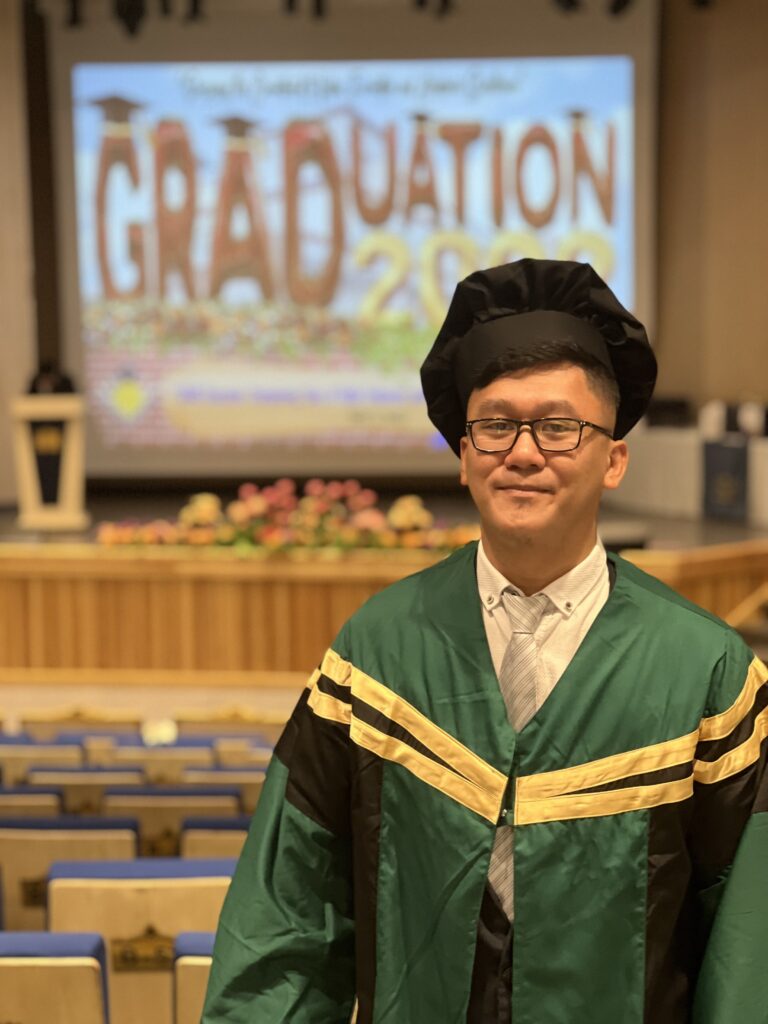
A teacher before he was anything else
The classroom claimed Cornelio early. He started as a private school teacher in the Philippines from 2009 to 2010, then spent four formative years as a fourth grade teacher at Aurora A. Quezon Elementary School in Malate, Manila. Public school did more than sharpen his teaching — it expanded his sense of what a teacher could be. He threw himself into the Boy Scouts of the Philippines, the Philippine Red Cross, and the Red Triangle (YMCA), the kind of extracurricular work that builds character in children and a habit of service in the adults who lead them.
That instinct to serve beyond the lesson plan would follow him across continents. When he left for Saudi Arabia in 2016 for his first overseas teaching post, he did not simply clock in and out. At Al Andalus International School, where he taught lower elementary grades until 2019, he became one of the in-service training speakers, coaching fellow educators on classroom strategy. At Shorouq Al Mamlakah International School from 2019 to 2023, he trained a student who took first place nationally in the KGL Contest and coordinated a winter camp that gave his pupils more than just a syllabus.
Seven years in the Kingdom taught him something he could not have learned at home. “I wanted to expand my experience by working in different environments and learning from diverse cultures and educational systems,” he says. The harder lesson was personal. Being far from home was not easy at first, and he leaned on the colleagues whose friendship became a second family. He learned to adapt, he says, “through patience, openness, and perseverance.”
Why Alaska
Most teachers who survive Saudi Arabia’s expat circuit would have rotated to a familiar posting next. Cornelio chose the opposite — a rural village in Alaska, about as far from a Manila summer as a Filipino can get.

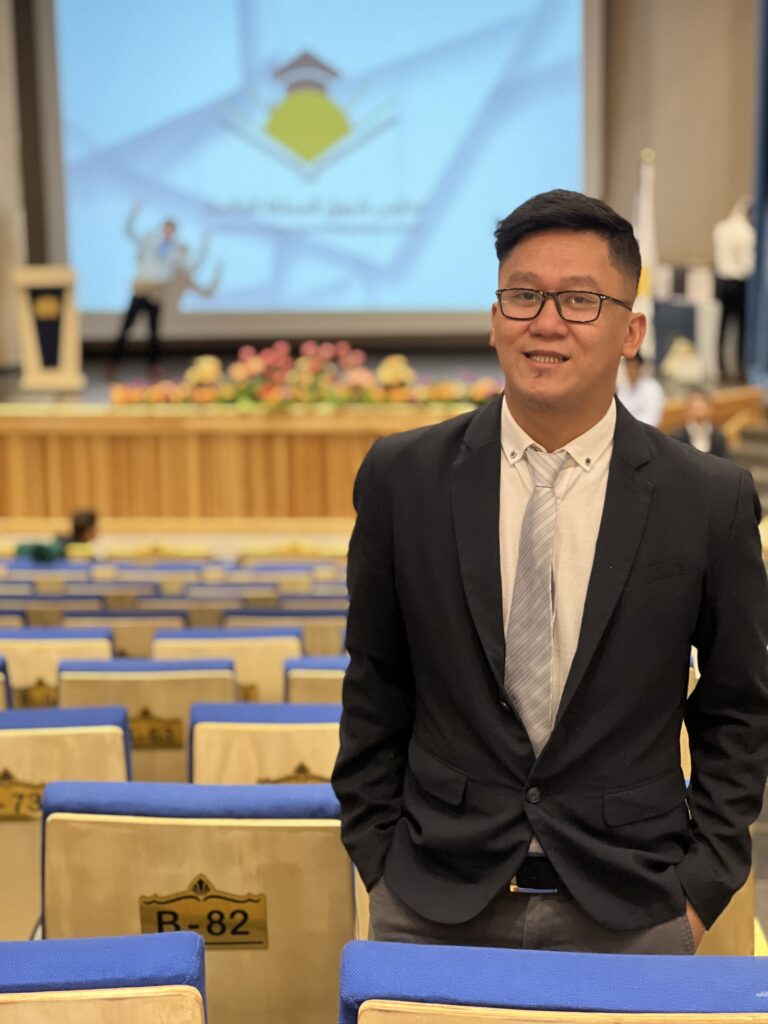
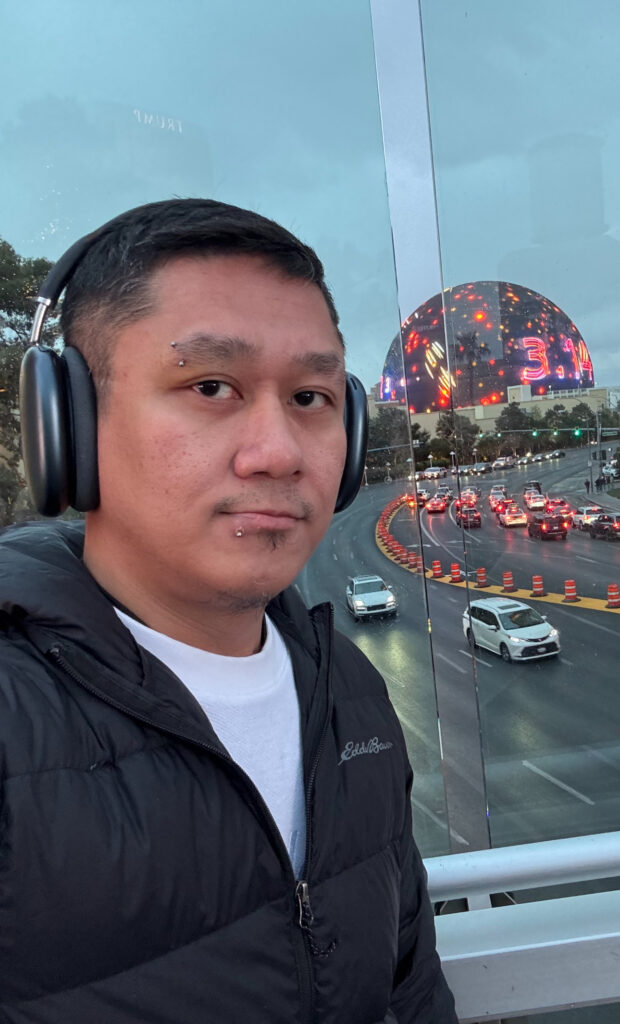
The appeal, he is candid, was partly practical. “One of the biggest benefits of working overseas is financial stability and career growth,” he says. “It has given me the opportunity to support my family, continue my education, and pursue bigger goals.” But the village offered something the international circuit had not: a close-knit community where a teacher is woven into daily life, and where the relationships between school and family carry real weight.
He did not shrink the job to fit the classroom. He joined the school’s Solutions Team, took on the role of Media Coordinator, and signed up as Testing Coordinator to help run assessments. As Battle of the Books Coach and Coordinator, he found a way to do the thing he loves most — getting children to fall for reading. The credit, he insists, is not his alone. He speaks warmly of his principal, whose leadership “motivates me to become a better educator and future school leader.”
The exam that changed the trajectory
For years, Cornelio was a teacher who led from within the classroom. Then came the Praxis 5412 — the U.S. state examination for school principals — and with it, a different horizon.
Passing it earned him an administrative license, and it reframed everything that came after. “For me, this achievement represents years of hard work, perseverance, and my commitment to growing not only as a teacher but also as a future educational leader,” he says. This August, he begins the internship for his principal certification program, the formal first step toward running a school rather than a single classroom.
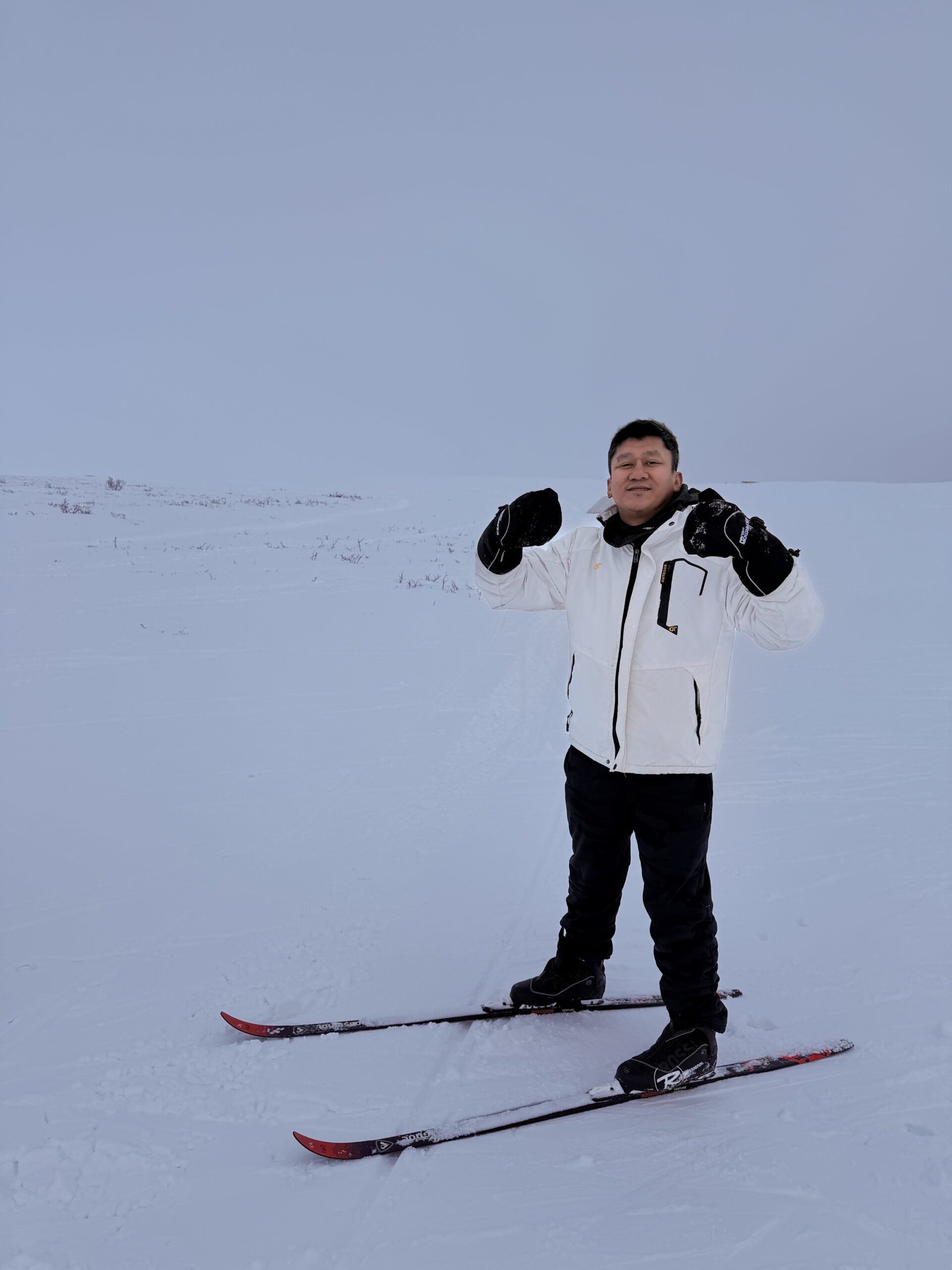
The ambition is not about a title. He talks about the work ahead in terms of the people it would serve: building a positive learning environment for students and teachers alike, championing literacy, and proving to children that the ceiling is higher than they think. “I hope to encourage more kids to believe that everything is possible if you are hardworking and determined to fulfill your dreams,” he says — the kind of belief that carried a Manila public school teacher to the Alaskan tundra.
That is the message he passes to the kababayans still finding their footing overseas, in any harbor the work takes them. Homesickness, money troubles, the disorientation of a new culture — he has lived all of it, and he frames the hardship as the point, not the obstacle. “Be wise with your finances, choose trustworthy people around you, and never stop working hard,” he says. “Most importantly, pray, stay grounded, and believe that your sacrifices will eventually pay off.”
Ten years and two continents on from his first flight out, Cornelio remains, at heart, the same thing he has always been: a teacher who believes that the right door opens for anyone willing to keep knocking.
