




It may take anywhere from six months to a year before Filipino motorists see fuel prices return to where they stood before the Middle East conflict, according to a Department of Energy official, who tied any rollback to the eventual resolution of hostilities between the United States and Iran.

Energy Undersecretary Alessandro Sales tempered expectations of an immediate relief at the pumps even as peace negotiations gained ground. “Maybe there’s space for it to come down as well, but does it go down to the prewar level? Not immediately, probably another six to 12 months. It’s really just an issue of restarting the supply that was disrupted by the war,” he said.
Reports of a forthcoming agreement, expected to be signed in Switzerland on Friday, have lifted hopes across energy markets. A central component of the arrangement is the reopening of the Strait of Hormuz, the maritime corridor that handles a large share of global energy shipments. The renewed optimism followed US President Donald Trump’s assertion that talks with Iran had advanced considerably.
Energy Secretary Sharon Garin welcomed the signals coming from the parties to the conflict. “As far as the oil crisis is concerned, we are grateful for the announcement [from] all the involved countries that there is a real intent to terminate whatever conflict they have,” she told reporters, adding, “And we are praying that they are and hoping that they will finalize the deal this Friday.”

The Philippine market felt the shock of the war largely because of its dependence on foreign refineries. Government figures show that 97 percent of the country’s liquid petroleum imports, including diesel, gasoline and kerosene, originate from refineries in Asian nations, which in turn source their crude from the Middle East. When bombing attacks damaged key power infrastructure in the oil-producing region and shuttered the Strait of Hormuz, several exporting countries suspended operations, forcing importers such as the Philippines to look elsewhere for supply.
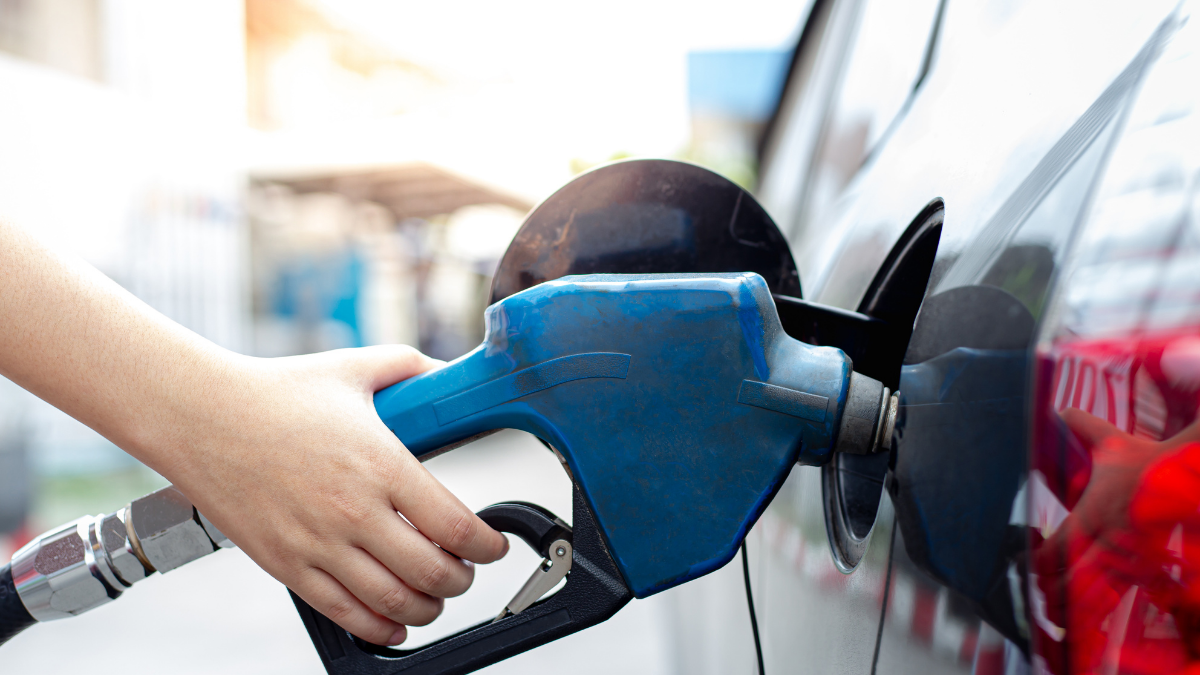
Motorists will get some breathing room in the meantime. Beginning June 16, diesel is set to fall between P3.71 and P5.71 per liter, while kerosene drops by 50 centavos to as much as P2.50 per liter. Gasoline carries a mixed outlook, with a possible reduction of 32 centavos or an increase of P1.68 per liter.
The conflict began on Feb. 28, when the United States and Israel struck Iran, prompting Iranian retaliation against American military bases in the region. At that time, gasoline in Metro Manila sold for between P49 and P77.03 per liter, while diesel ranged from P48 to P73.61.
