



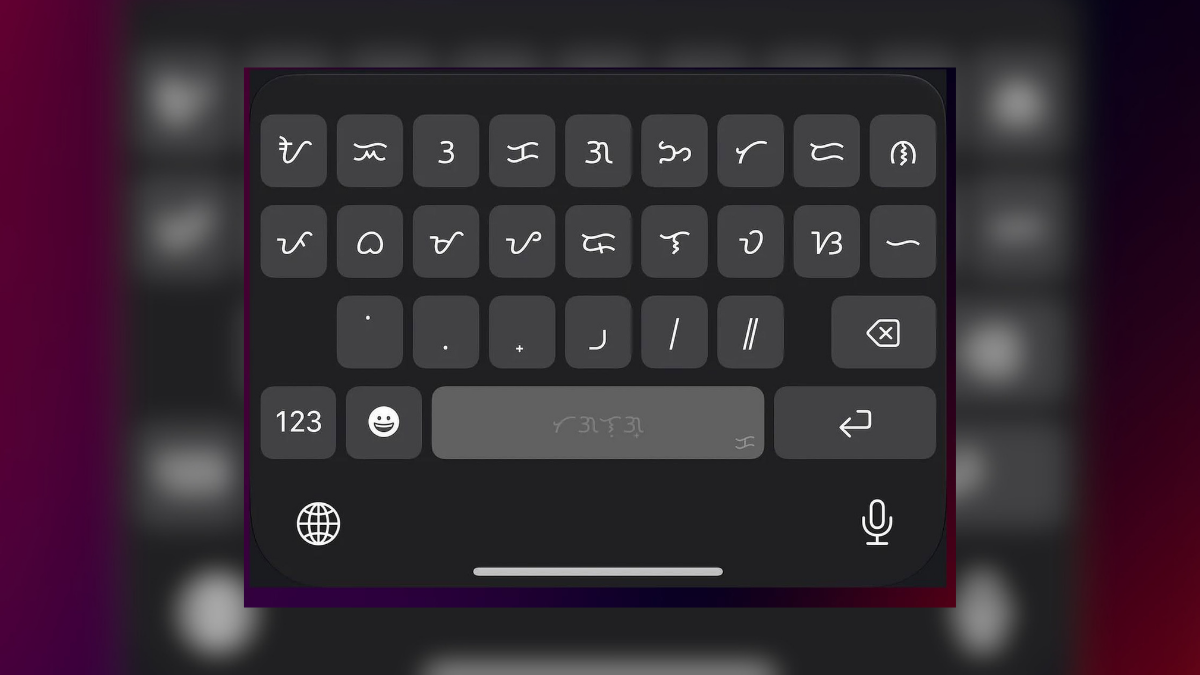

Apple will let iPhone users type in Baybayin, the pre-colonial Philippine script, as part of iOS 27, the company confirmed during its WWDC 2026 keynote at Apple Park on June 8.

Baybayin appears on Apple’s list of new keyboard layouts arriving across its operating systems this year, alongside Afrikaans, Basque, Galician, Guarani, Luxembourgish, Xhosa, and Zulu, as well as a separate set of keyboards for Indigenous languages including Blackfoot, Comanche, Cree, Kiowa, and Tsuut’ina. The update also introduces a new user-interface language for English (Philippines), according to MacRumors, which published a categorized breakdown of the more than 250 changes Apple flashed on a single keynote slide.
Once available, the layout will allow users to type in Baybayin natively, without installing third-party apps. The script was widely used in the Philippines before the Latin alphabet was introduced during Spanish rule, and today it survives largely as a cultural and heritage symbol rather than an everyday writing system.

The feature is not yet available to the public. Apple released iOS 27 as a developer beta following the keynote, with a public rollout expected in September, according to MacRumors. The update will run on all iPhones currently supported by iOS 26, beginning with the iPhone 11 and second-generation iPhone SE.
Apple did not single out Baybayin during the presentation, which focused largely on a revamped Siri and Apple Intelligence. The script instead surfaced in the dense feature slide that several outlets, including 9to5Mac and MacStories, documented in the days after the event.
