



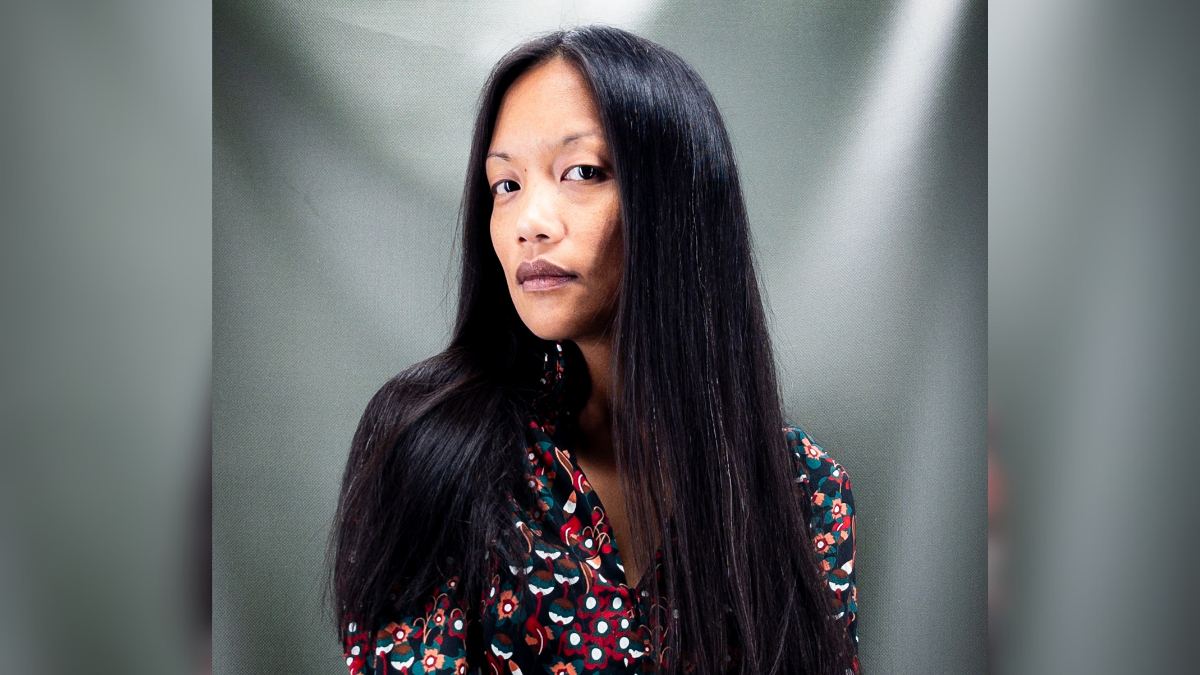

A bag is the most ordinary object a person carries. It holds keys, a phone, the small evidence of a life in motion, and most people never think twice about who made it or where. Soho Francotte has built a brand on the opposite instinct — the conviction that an everyday object deserves the same scrutiny as a work of art, and that the questions of where something comes from, and who it belongs to, are never as simple as a label suggests.

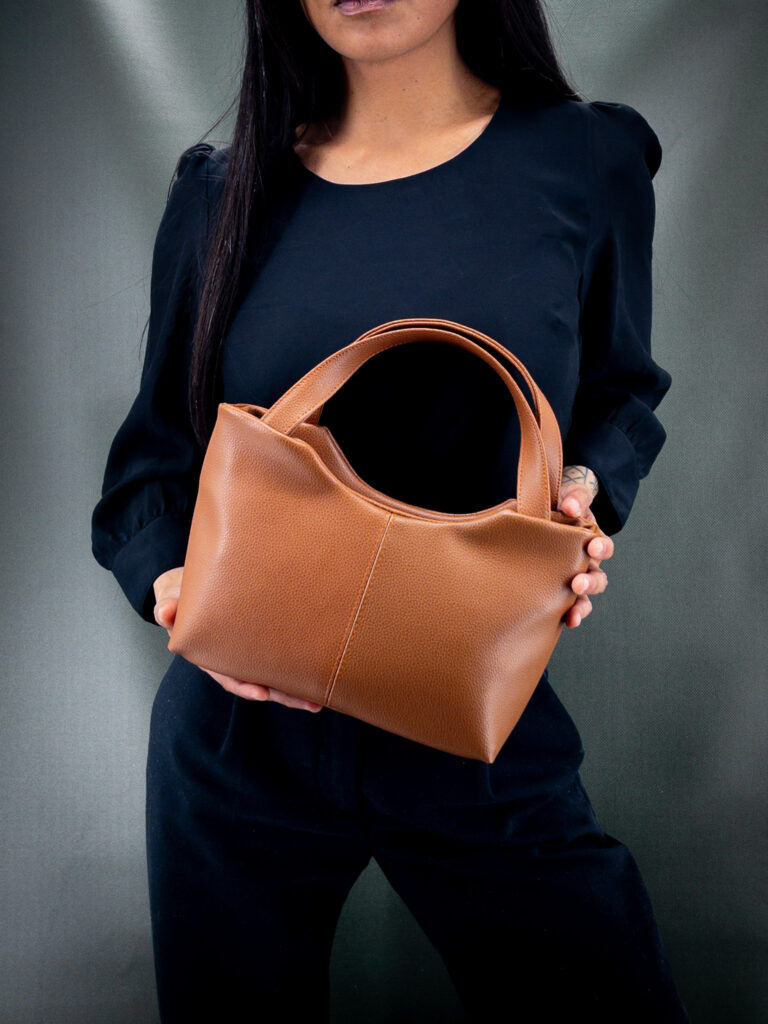
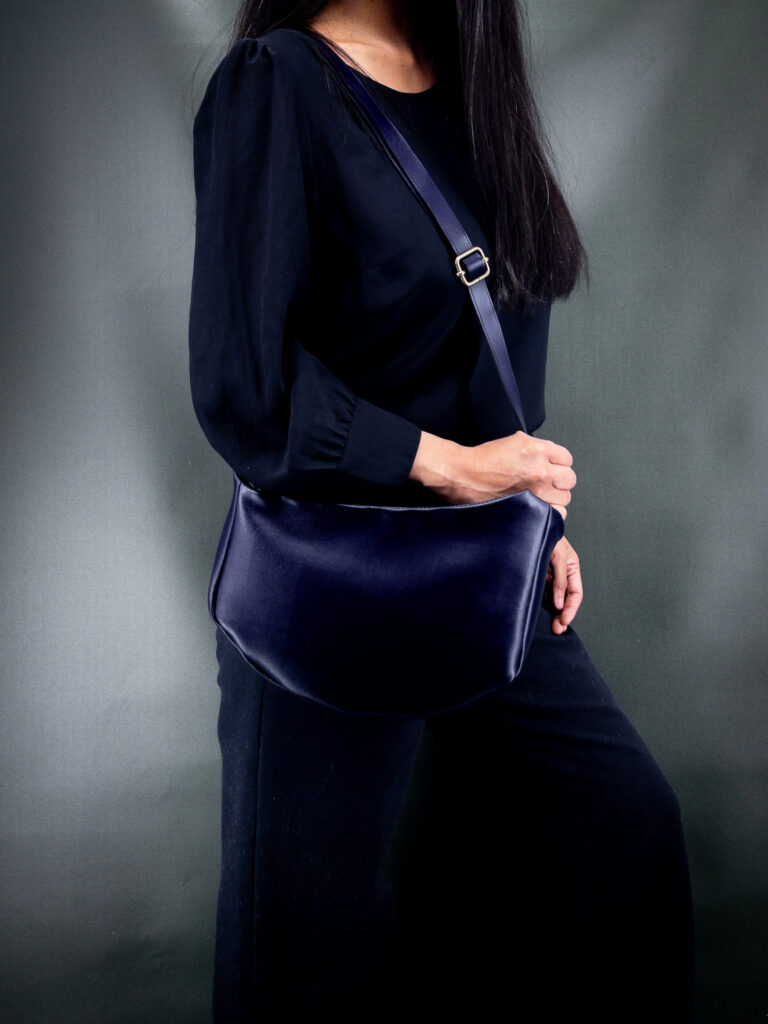
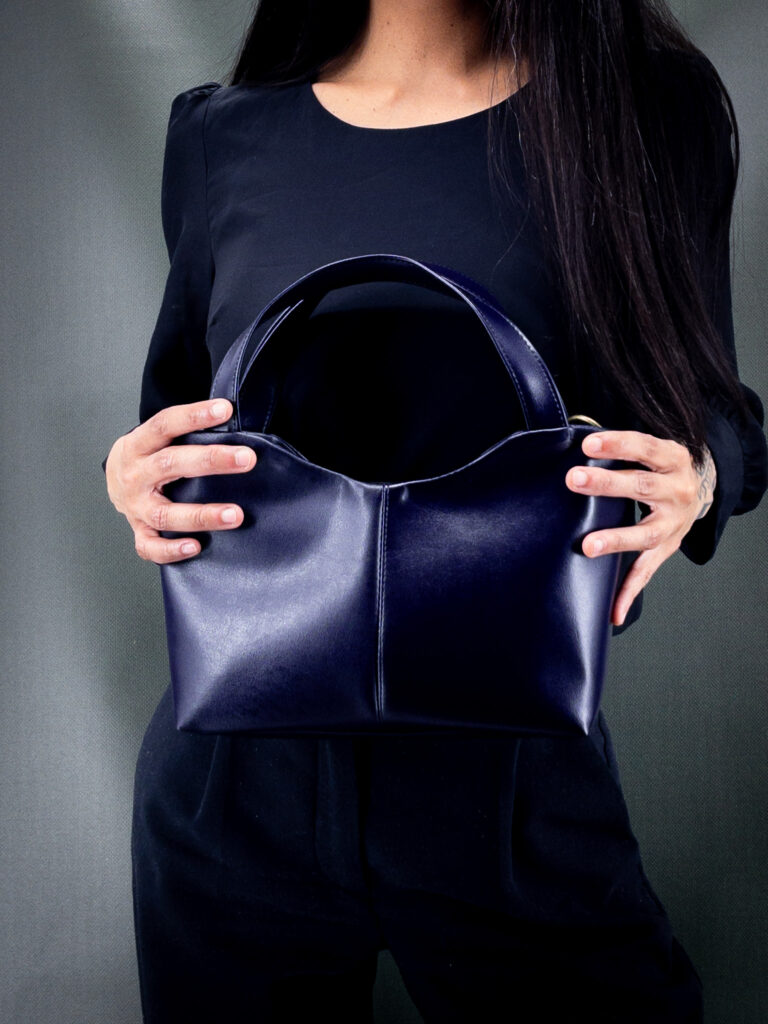
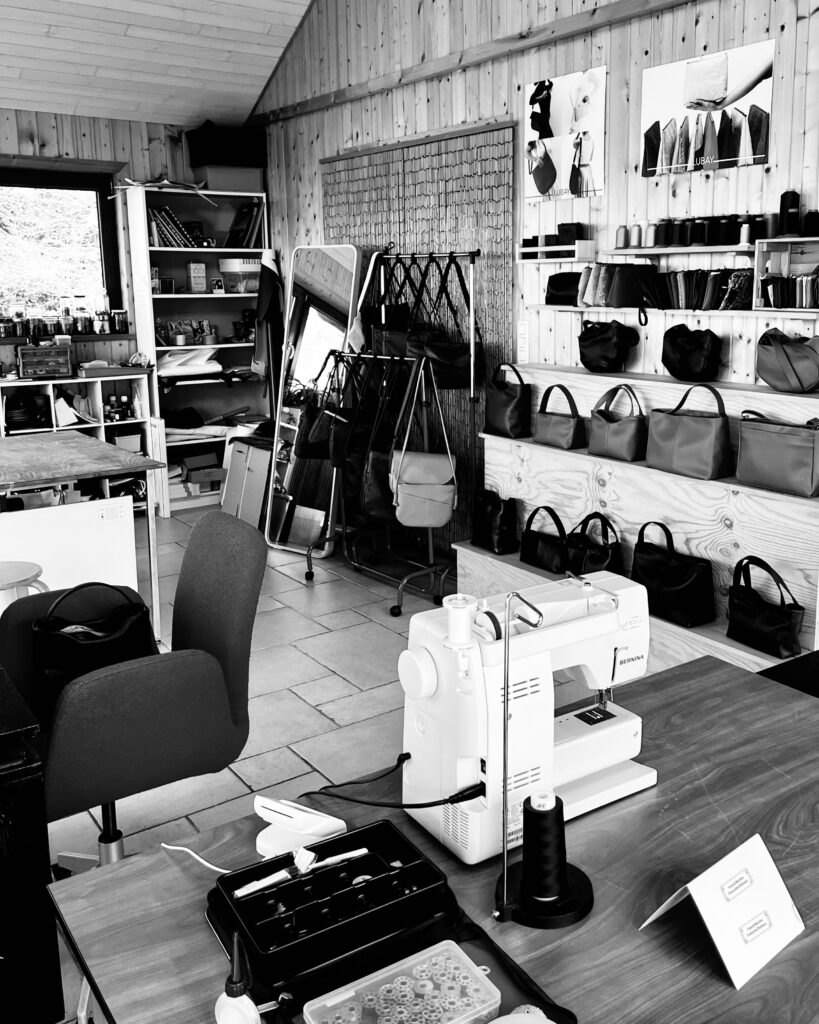
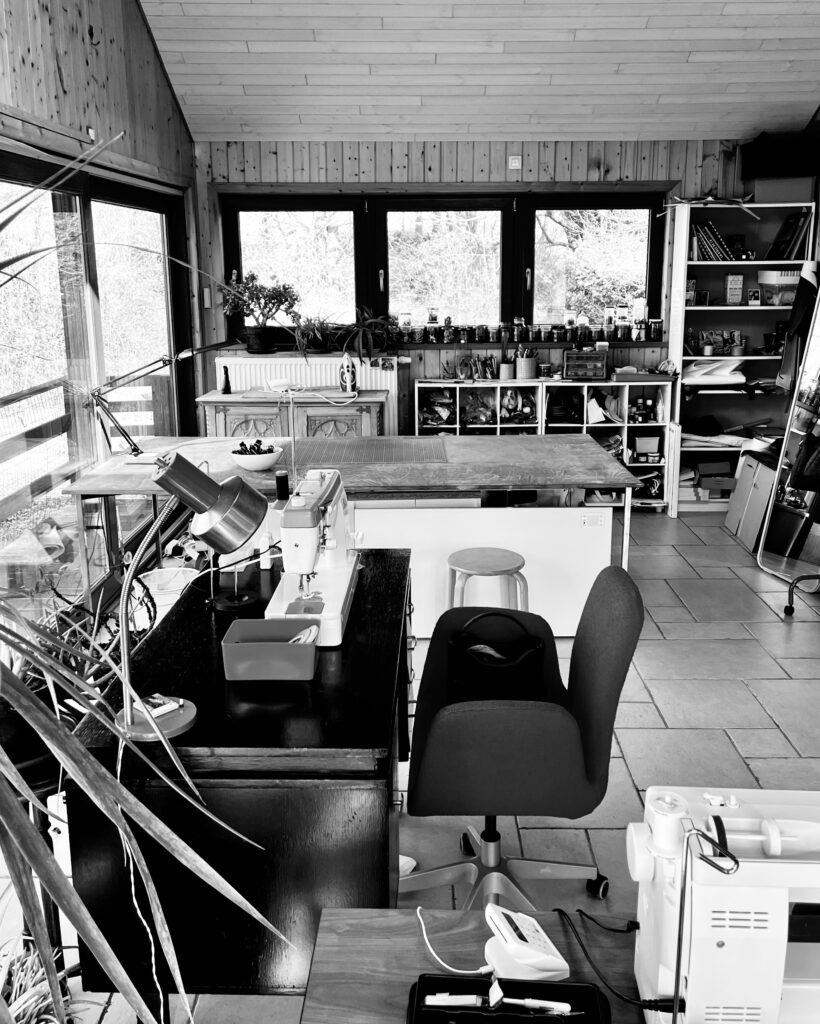
Francotte turned 40 this past March. She is Filipina by birth, Belgian by upbringing, and the founder, designer, and sole maker of Lubay, a vegan bag brand produced entirely in her own studio-atelier in Baillamont, a small village in the Belgian Ardennes. To her knowledge, it is the only Belgian brand making vegan bags in Belgium. Every piece is cut, assembled, and finished by her hands. There is no factory and no production line — only one person, working through the structural logic of an object until it holds its shape.
A life she did not choose, in a country that became home
Francotte was adopted as a baby and raised in Belgium, the only country she has ever known. For years, her origins were a blank space. “For a long time, my origins were blank, I did not know where exactly I came from,” she says. The search for her biological family — families, in fact, since her biological parents are not together — was long and difficult. When she finally found them, she learned that both belonged to the Kalinga ethno-linguistic group of the northern Philippines.
This is where the familiar frame of the overseas Filipino begins to come apart. The migration story usually carries a departure, a decision, a sacrifice made in pursuit of something better. Francotte’s story has none of that, and she is precise about why. “I did not choose to come to Belgium. Adoptees don’t have a say in where they will grow up,” she says. “So the framing of ‘working abroad’ doesn’t quite fit my situation — Belgium is simply where I live, where I work, where my family is. It is my home.”
The complication is that not everyone reads it that way. Some members of her biological family in the Philippines see her as an OFW, collapsing the difference between economic migration and infant adoption. “There is a structural misunderstanding there about choices I never made, which requires continuous navigation,” she says. It is a quiet, recurring labor — explaining a life that resists the categories people reach for.
From the stage to the cutting table
Before the bags, there was philosophy. Francotte studied at UCLouvain, then spent a decade performing and touring across Europe with a Belgian music project. Those years were not a detour so much as a training ground. “Those touring years built a strict operational discipline: thinking before executing, testing, and focusing on structural essentials,” she says.
When the pandemic stopped touring in 2020, she and her partner left Brussels for the south of Belgium, and the discipline found a new object. She taught herself pattern-making and assembly. In 2021, Lubay was born — independent, self-run, every function from design to photography to writing handled by one person.
The name is Kalinga, and it is always paired with the phrase “made in Belgium.” That pairing is the whole point. “Both are true. Both are me,” she says. It is not a marketing flourish; it is an argument about identity made in two words and a place of origin stamped beside them.

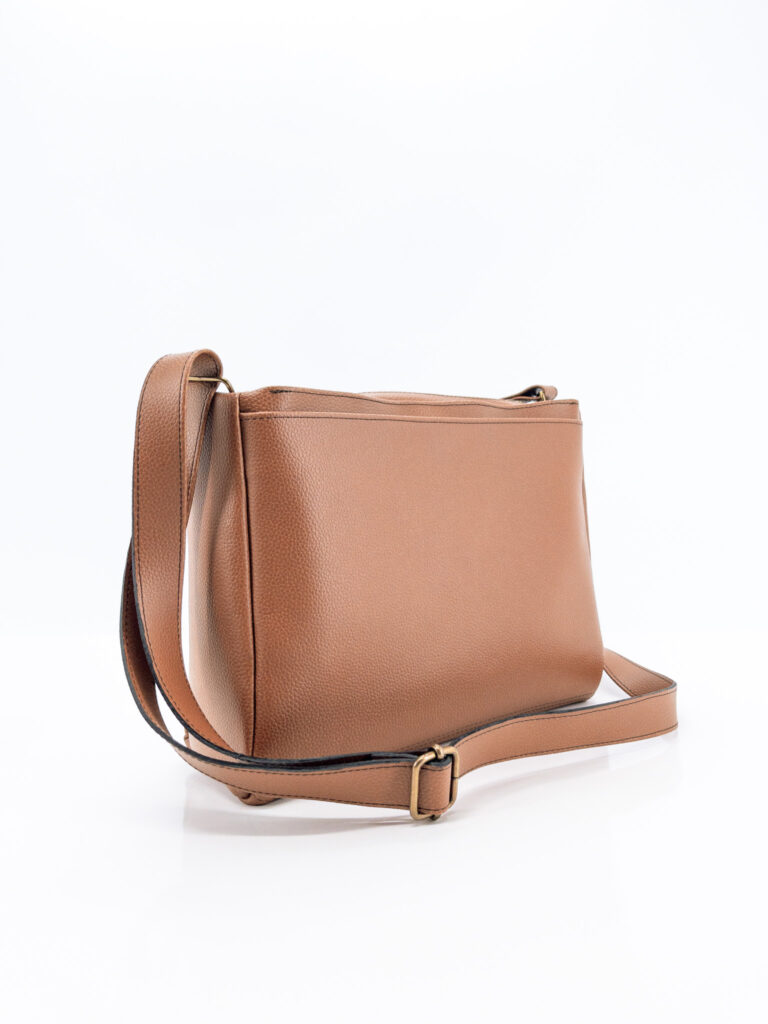
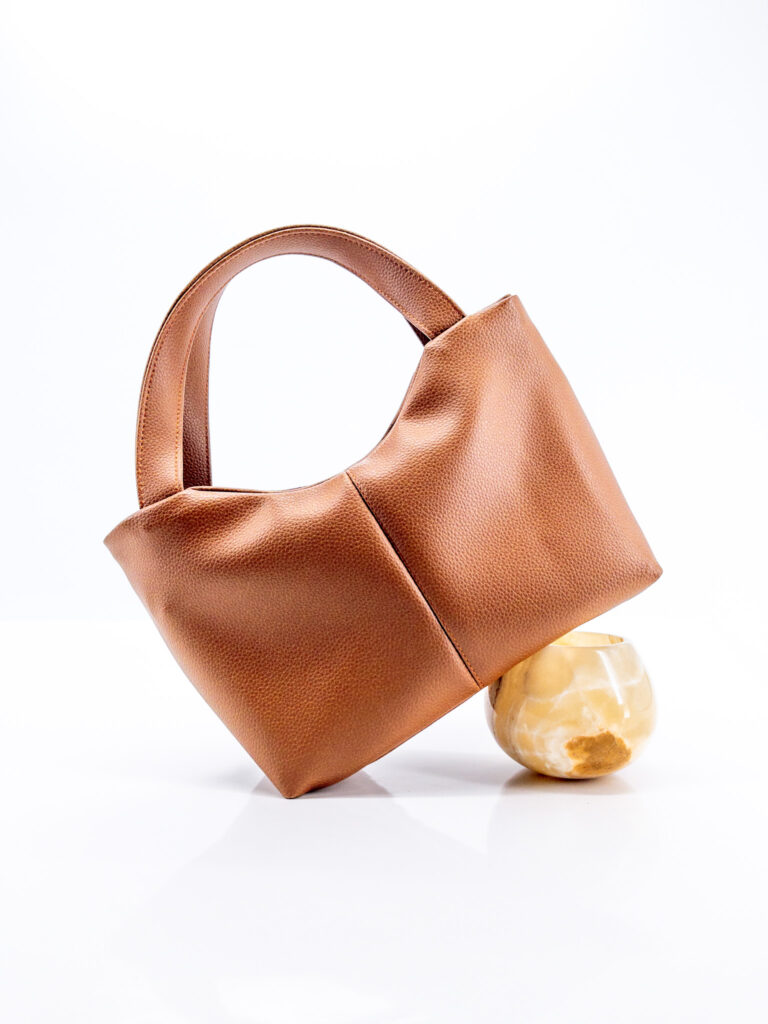
What pulls her toward bags specifically is the intimacy of the form. “A bag is a functional, intimate and daily object. It holds what you need and moves where you go,” she says. The challenge she sets herself is austere — to build a silhouette with presence through line and proportion alone, no decoration to lean on. Some designs arrive at that balance, like her Scaldis; others need more time. “Rarity and repetition are part of what makes a design stable,” she says, and the sentence sounds as much like a philosophy of living as a method of making.
Learning to live in the in-between
For all the clarity of her work, Francotte is candid that the deeper questions have no clean resolution. Growing up as a Filipina adoptee in early-1990s Belgium meant an environment without representation or a peer community — everyone around her was Caucasian Belgian. And reconnecting later with Filipino communities abroad turned out to be its own kind of distance, one she did not anticipate.
“There is a genuine wish to belong there — these are your people, in some sense,” she says. “But the shared references that hold a community together are largely absent.” She names them carefully: language, historical memory, the common codes a diaspora is built on. “It can feel like trying to integrate into a professional community from a country you have never inhabited.” She does not speak Kalinga or Ilocano. She was not raised in the culture. In Belgium she is read as foreign; in the Philippines she is not recognized as fully belonging either.
What has helped is not a solution but an acceptance. “What has helped, over time, is accepting the full range of what adoption brings — the grief, the belonging alongside the distance. Not resolving it, but letting it be complex.” There is also, she admits, a particular weight that adoption carries: “a specific form of displacement guilt that comes with adoption — of having been moved, of being here. It doesn’t go away entirely. I don’t think it is supposed to. You simply learn to carry it.”
That refusal to tidy up the difficult parts is, in its own way, the through-line of everything she does — the bags built without ornament, the name left undecoded, the life lived honestly in the space between two places.
What comes next is staying put
Francotte has no plans to leave. Her ambitions for Lubay point outward — building a presence in the Netherlands, Germany, and other markets where Belgian design is still relatively unknown and where there is real appetite for next-generation vegan materials, hers made from apple waste and grape skin. The aim is to keep the brand independent, without heavy advertising, made entirely in her studio.
Her advice for fellow Filipinos finding their footing in Belgium is grounded and practical. Organized communities exist in Brussels, Antwerp, and Luxembourg, and connecting through them is a worthwhile foundation. For those building careers, a degree helps, but getting foreign credentials officially recognized can be a slow bureaucratic process — better, she suggests, to expect the timeline than to be frustrated by it.
She lives by a line from the philosopher Vladimir Jankélévitch: “The wind is rising — it is now or never. Do not waste your one unique chance in all of eternity; do not miss your one spring morning.” It is fitting that her favorite words belong to a thinker, and that the most personal thing about her brand — its name — is the part most people never stop to translate. “They don’t need to,” she says. “But it is there.” Like everything else she carries: present, unresolved, and entirely her own.
